Hop Topics · 8 min read
How Does Texas Heat Affect Garage Doors?
By Ted DeSimone
Updated
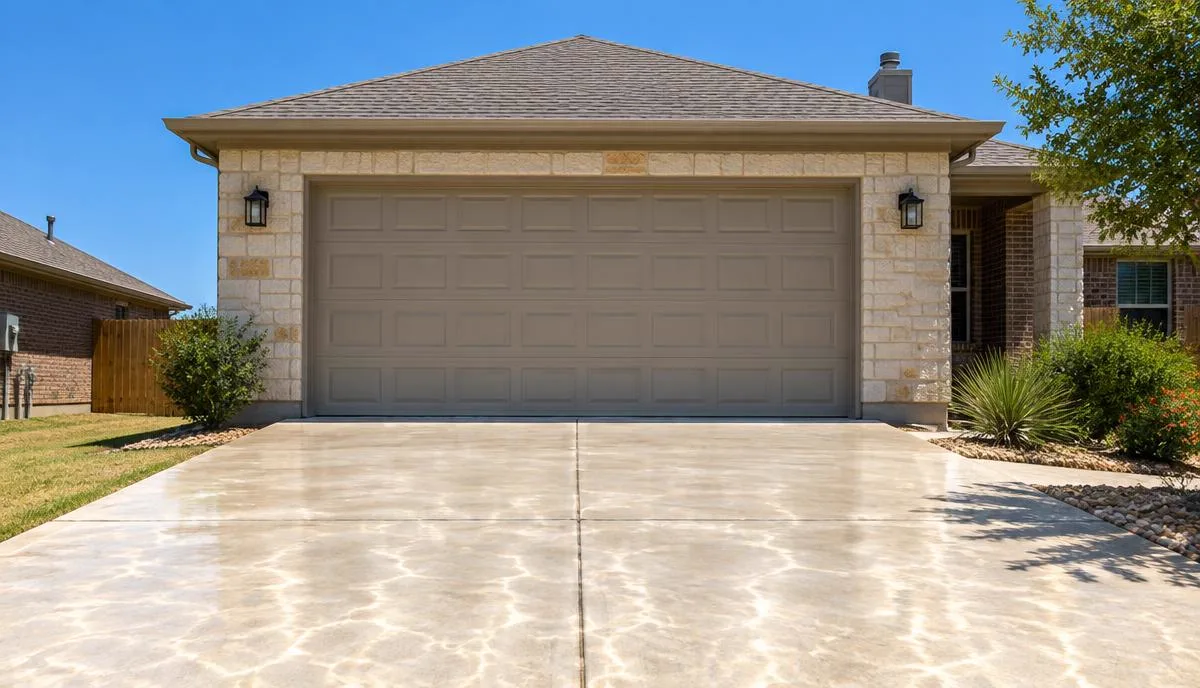
A garage that feels like an oven doesn't mean your door needs replacing. Texas heat and garage doors are a practical maintenance question: check what's changed before buying parts or turning an opener setting.
You'll learn how to separate sunlight-related sensor trouble from ordinary wear, compare insulated doors without unrealistic promises, and build a useful inspection list for your own garage.
What should you check when your garage gets hot?
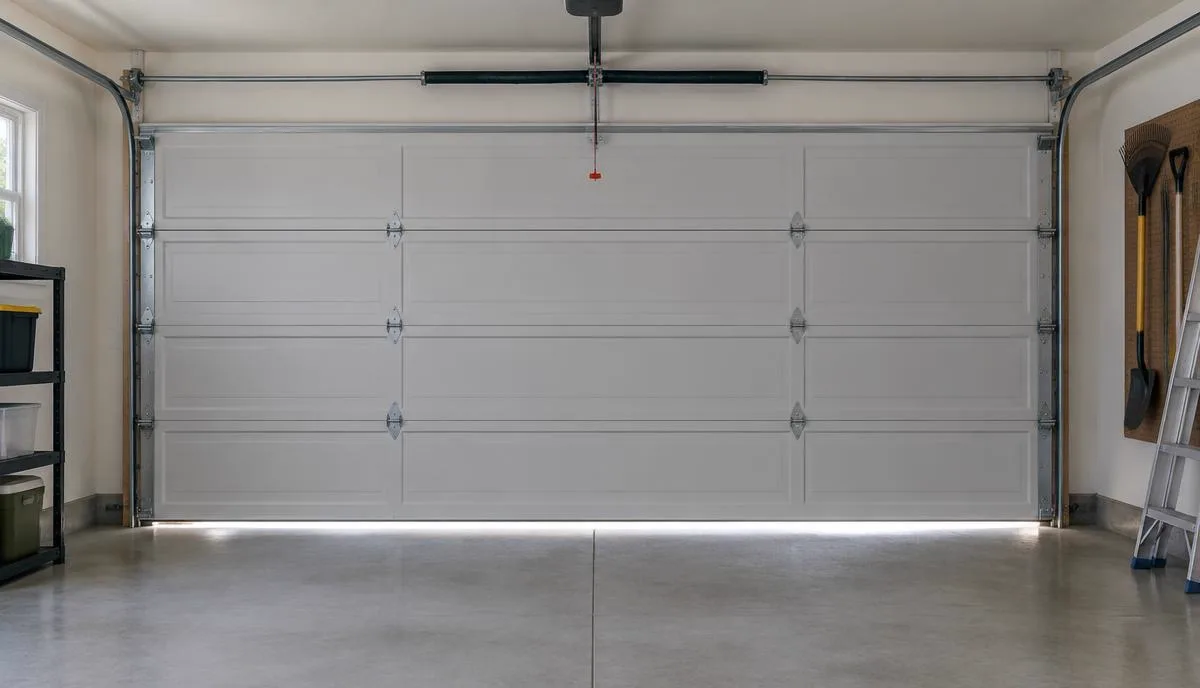
Begin with things you can observe without dismantling anything. From inside with the door shut, look for daylight around the edges, cracked weather stripping, loose insulation and obvious panel damage. Don't put your fingers into joints or reach near spring hardware to inspect a small gap.
Record when the problem happens. For example, a door that refuses to close only during late-afternoon sun gives a technician different information from a door that grinds during every cycle. This is a diagnostic observation, not proof that sunshine or a particular electronic component caused the fault.
Note the opener model and any error code shown on its display or app. Manufacturers use different codes, sensor lights and maintenance instructions, so a description like 'the light flashes' isn't enough to select a repair. A short video taken from a safe distance can help show the timing.
If the door moves evenly and your concern is comfort rather than a fault, treat those as separate projects. Weather sealing, shade, ventilation and insulation have different purposes. Start with your actual use of the space before asking for an upgrade quote.
Can direct sunlight stop a garage door from closing?
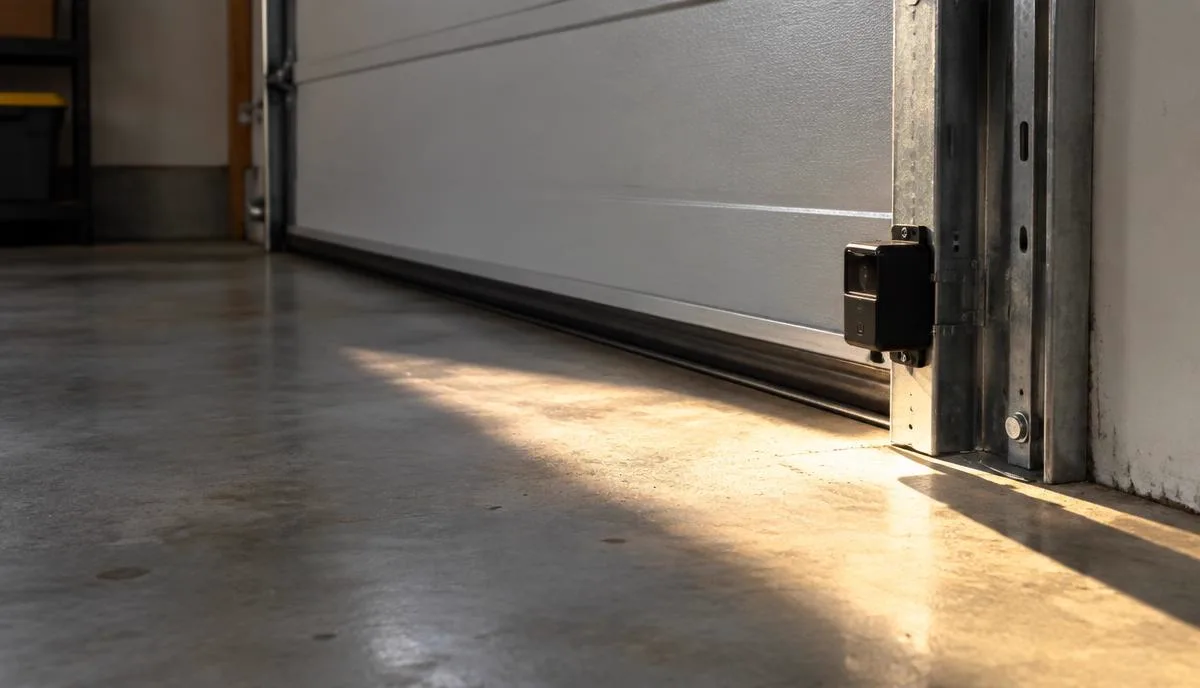
Some photoelectric safety sensors can be affected when strong light reaches the receiving lens. Before attributing a closing problem to sunlight, clear the beam path and clean the lenses using the method in your manual. A bin, leaf or bent bracket can produce a similar symptom.
Compare the sensor indicators with your exact opener instructions. On many LiftMaster systems the sending and receiving eyes have different colored indicators, but colors aren't a universal diagnostic chart. If the indicators change when the sun moves, report that pattern rather than buying a new opener immediately.
Don't cover a lens, tape a sensor out of position or install a homemade shield that blocks the beam. Ask whether the manufacturer offers an approved sun shield or a permitted installation adjustment. The safety sensors must keep working after any change, not just let the door close once.
A useful example is a west-facing garage that closes reliably in the morning but reverses later with an empty opening. That's a reason to check light exposure and alignment, not a reason to increase closing force. If you can't restore normal operation within the manual's instructions, stop using the opener.
How should you maintain seals and moving hardware?
Use the door manufacturer's maintenance schedule rather than a blanket summer interval. Materials and finishes differ, and more lubricant isn't automatically better. An opener rail or drive system may also have its own instructions that don't match the door hardware's needs.
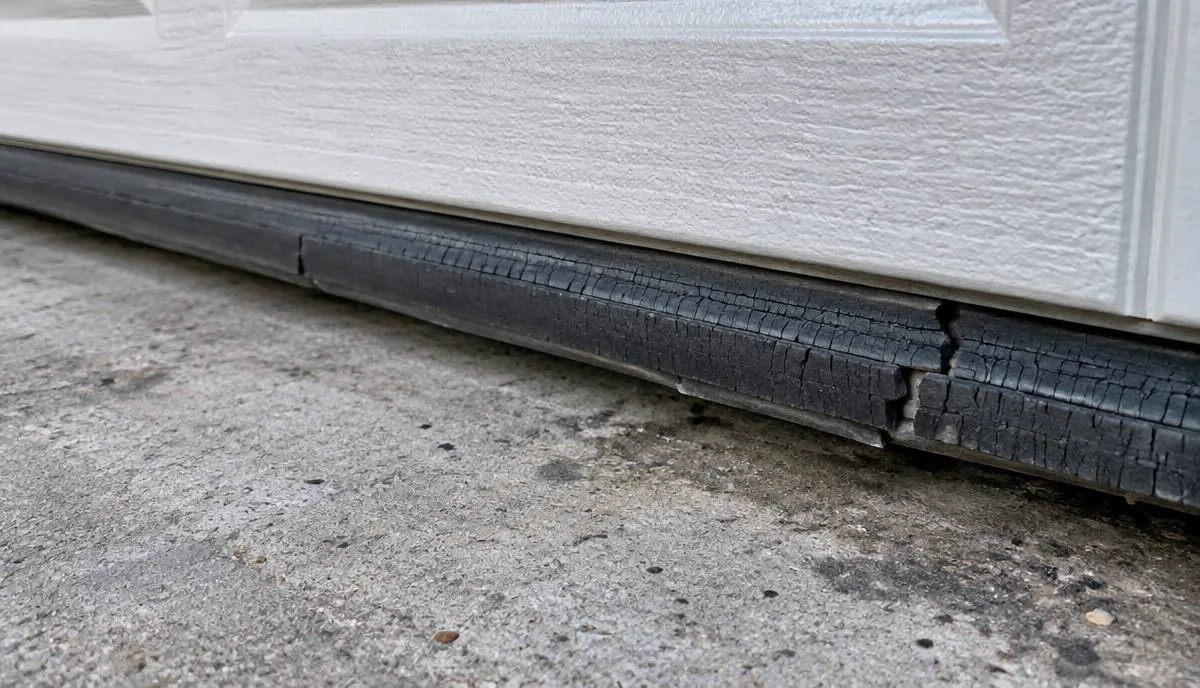
Inspect accessible weather stripping for tears, hard spots and sections that have pulled loose. If you can see daylight, take a picture with the door closed and note whether the gap follows the floor or the door edge. That helps distinguish a seal issue from an uneven slab or alignment problem.
For lubrication, choose a product specifically permitted by your manual and keep spray away from sensor lenses and electrical parts. Don't coat the track running surfaces just because the door squeaks. Identify the source of the noise, and arrange service if a roller, hinge or bracket is damaged.
Replacing a seal also requires the correct retainer profile and a door secured according to its instructions. Don't loosen the bottom corner brackets to make a seal fit. Those brackets can be connected to cables under spring tension, even when the opener is unplugged.
- Read the door and opener maintenance instructions separately.
- Inspect visible seals from the floor without moving tensioned hardware.
- Photograph gaps and note new noises before requesting service.
Will an insulated garage door keep your garage cool?
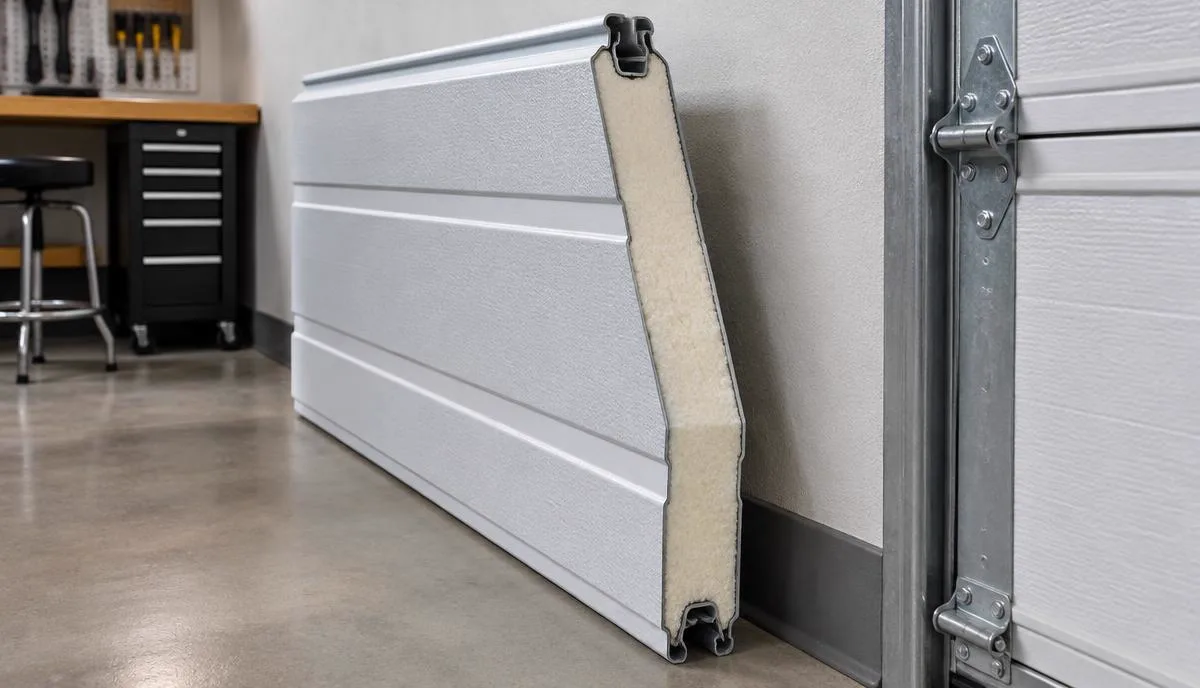
An insulated door resists heat transfer through its panels, but the garage temperature depends on the whole space. Roof exposure, air leaks, windows, attached walls and ventilation still matter. Avoid choosing a door based on a promise of a fixed temperature drop without measurements of your building.
Ask whether the quoted insulation figure describes a panel material or the complete door assembly. These are different comparisons. A product with a high panel R-value may still have heat transfer at joints and around the perimeter, so compare specifications on a consistent basis.
For a garage used only to park cars, your priorities may be dependable operation, seals and appearance. For a workshop used for several hours, panel insulation and window placement may deserve more attention. If you plan to condition the space, involve the appropriate building professional rather than assuming a door upgrade completes the project.
Request the exact model, insulation construction and window option in writing. For example, two doors from the same collection can use different glass and panel builds. Compare the configuration you're actually buying, not the strongest figure advertised anywhere in that product family.
Do door color and windows change your heat decisions?
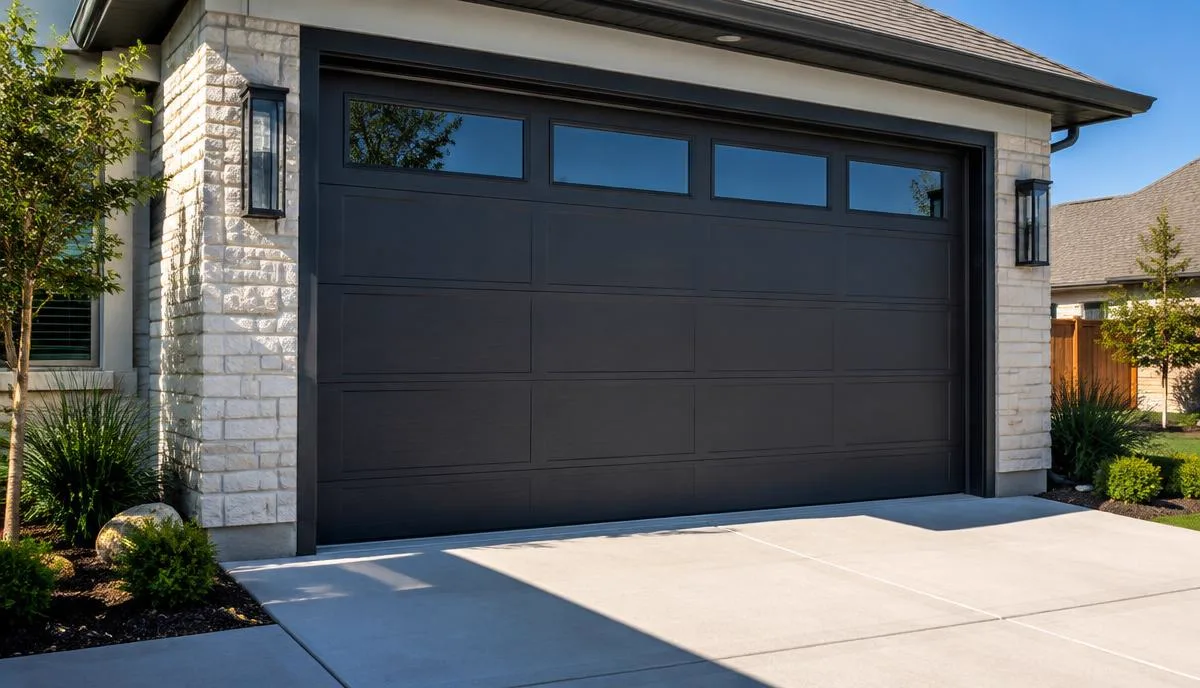
Finish color, glazing and sunlight exposure are sensible questions during a replacement discussion. Don't assume that a darker finish is approved for every door material or that changing color is maintenance-free. Manufacturers may restrict paints, coatings or solar exposure for a particular construction.
With windows, ask about the offered glass construction, privacy and placement. A top-row window can provide daylight while limiting the view from the driveway, but it isn't automatically insulated glass. The quote should identify the option clearly enough to compare it with another supplier's proposal.
Walk through your routine before selecting a design. If you store tools where afternoon sun falls, note that spot and discuss glazing choices. If the garage faces the street, evaluate privacy from outside at different times rather than relying on a small catalog photo.
Check your own property restrictions before ordering an exterior change. An HOA or municipality may have relevant requirements, but rules vary by address and project. Springz shouldn't substitute a general statement about Austin neighborhoods for the written requirements that apply to your home.
When does a hot-weather problem need a technician?
Stop operating the door if it lifts crooked, has loose or damaged cables, shows a broken spring or drops unexpectedly. These aren't comfort issues to solve with insulation or a fan. Don't disconnect an open or unstable door to see whether it feels lighter by hand.
Call for diagnosis when the opener repeatedly stops, makes a new grinding sound or reports a persistent fault after the safe checks in its manual. Leave force and travel adjustments to the manufacturer's procedure and a qualified professional when you're unsure. An adjustment can conceal a door problem without correcting it.
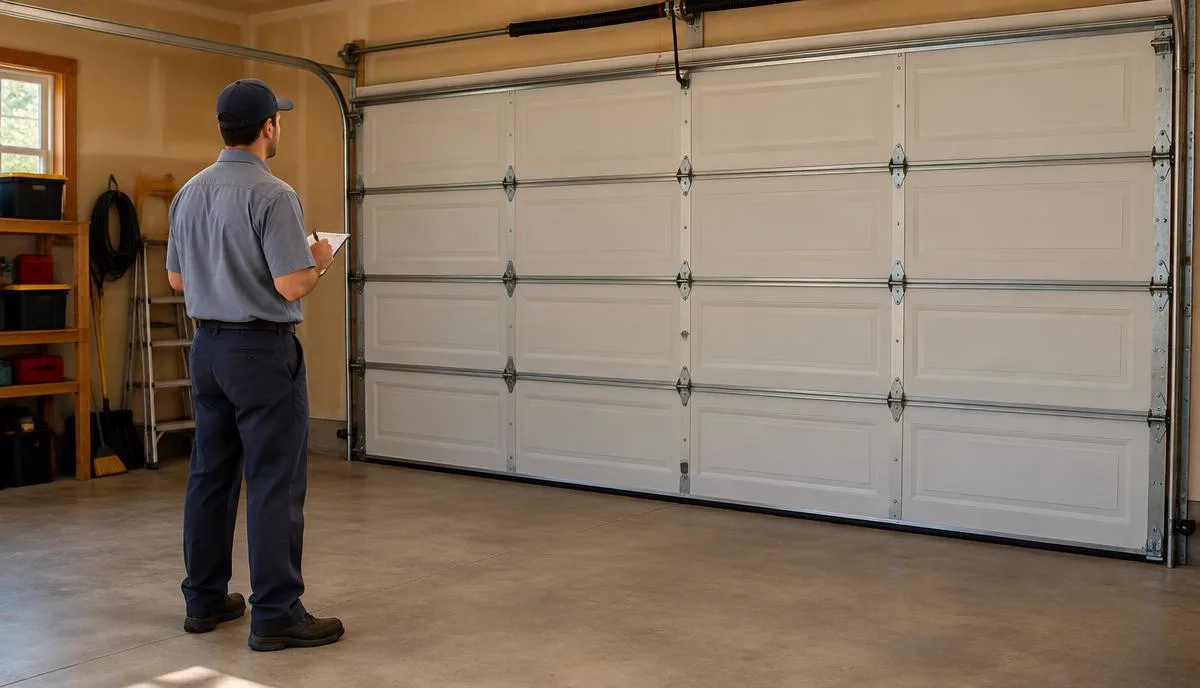
Prepare three useful details: the door and opener model if readable, when the symptom started, and what happens during a normal attempted cycle. Keep people and pets away while recording an observation. You don't need to reproduce a dangerous failure to provide evidence.
Ask for a written diagnosis and separate repair or upgrade options. A careful recommendation should explain the failed component, any safety concern and whether a heat-related comfort improvement is optional. Confirm current appointment availability by phone rather than assuming an article promises a specific arrival time.
- Stop using a door with mechanical danger signs.
- Share model information and safe observations.
- Compare the diagnosed repair with optional comfort upgrades.
What else do homeowners ask about this topic?
Can Texas heat damage my garage door opener?
Operating limits depend on the specific opener, so check its manual rather than using a universal temperature cutoff. Repeated stops or error codes need diagnosis; a hot garage alone doesn't prove the motor or electronics have failed.
Should I lubricate my garage door more often in summer?
Follow the door manufacturer's schedule and approved lubricant list. If a new noise appears, inspect the cause safely instead of repeatedly adding spray, and never use lubricant to hide damaged hardware.
Is an insulated garage door worth it in Austin?
It can be worth comparing if you spend time in the garage or want to reduce heat transfer through the panels. The result depends on your whole garage, so ask for exact specifications and avoid guaranteed temperature-drop claims.
What should you remember before taking the next step?
- Record symptoms and time of day before blaming heat.
- Keep sensors clear and fully functional.
- Compare complete door configurations, not isolated insulation figures.
- Get mechanical faults diagnosed separately from comfort upgrades.
Sources and manufacturer instructions
“Springs are under high tension.”
Get help with garage door tune-up
Call Springz to describe the problem, request a diagnosis and confirm current service availability in Travis and Hays Counties.