Look, don't touch
What you can check safely
These are observations, not instructions to dismantle the door. If anything looks unstable, skip the checks and call.
- 1Listen from a safe distance and note where the sound seems to start.
- 2Look for debris or visible damage without moving hardware.
- 3Check your door and opener manuals for approved lubricant and locations.
- 4Do not grease the track indiscriminately or spray electrical components.
How we fix it
Repair details
What different noises can tell you
Squeaking may come from a dry moving joint, but damaged bearings can also make noise. Rattling can point to loose or worn hardware. Grinding or scraping may indicate roller damage, track contact, or an opener drive problem. A loud bang followed by loss of movement requires a spring-system assessment.
Noise alone does not identify the correct part. The location, timing, and any change in door movement matter. A technician should watch the complete travel path and inspect the hardware rather than treating every noise with the same spray.
Choosing suitable rollers
Replacement rollers must fit the track and door configuration. Wheel material, bearing construction, stem length, and load requirements can affect suitability and noise. Quieter operation is useful, but it is not a substitute for correct sizing or fixing damaged tracks.
Discuss the condition of the full set and the hinges that hold them. Replacing one worn roller may address an isolated defect; a set with similar widespread wear deserves a broader comparison. The estimate should make the quantity and specification clear.
Lubrication versus actual repair
Use only the lubricant and application points recommended by the equipment manufacturer. Some parts do not require lubrication, and coating tracks can attract dirt or create other problems. A maintenance visit should distinguish normal service needs from components that are worn or broken.
After a noise repair, the door should run smoothly without binding. If a residual sound comes from the motor or drive rail, that should be explained separately instead of being hidden by replacing unrelated door parts.
Be informed
What to discuss with your technician
- Locate the noise during door travel.
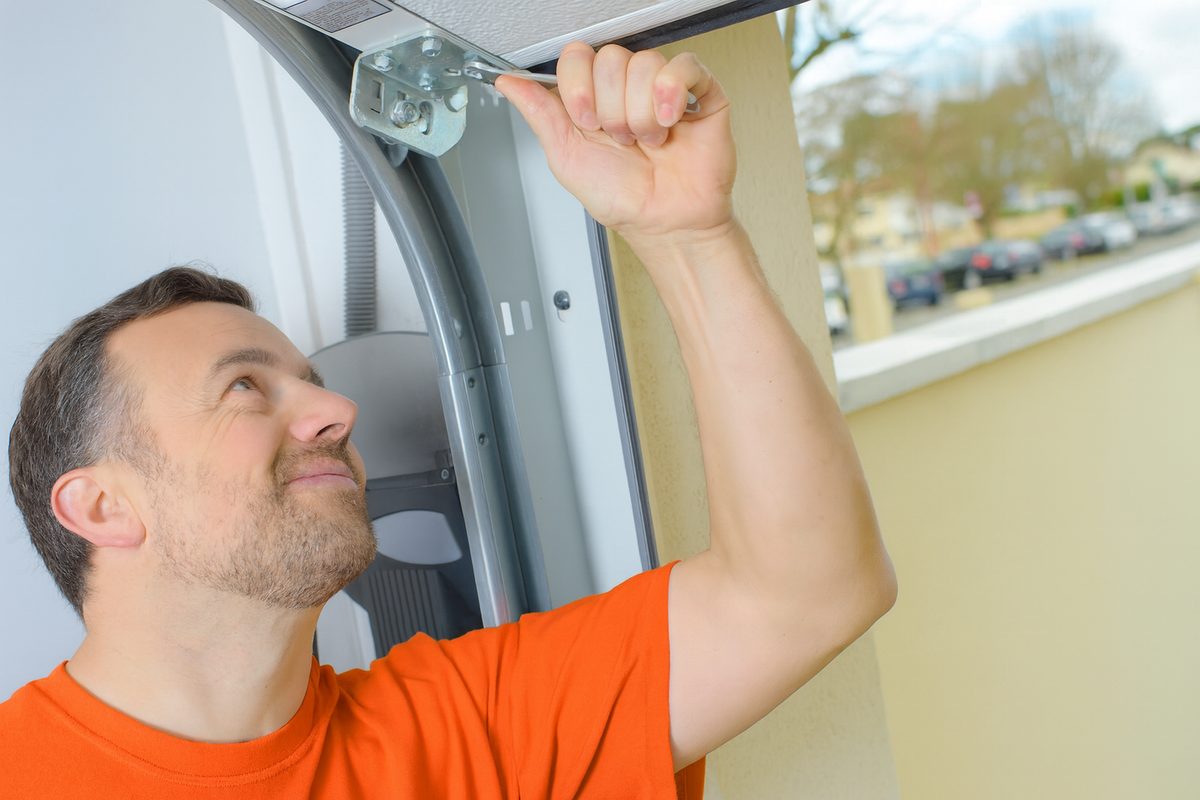
- Inspect rollers, hinges, tracks, and opener drive.
- Replace unsuitable or worn components when needed.
- Confirm smooth travel and explain maintenance needs.
What affects the cost?
The number and type of rollers, hinge condition, track damage, and any opener work affect cost. Ask whether the estimate is for a single part, a complete set, or a broader tune-up.
Before you call
Describe whether the sound occurs opening, closing, or both. A recording from a safe distance can help; do not run a visibly damaged door simply to capture a video.
FAQ
Common roller & noisy door repair questions
Safety references
General safety guidance: DASMA garage door safety and opener safety. For procedures specific to your equipment, use its manufacturer’s manual. These references do not imply an affiliation or certification.