Hop Topics · 10 min read
Texas Freeze Garage Tips: Lessons for the Next Hard Freeze
By Ted DeSimone
Updated
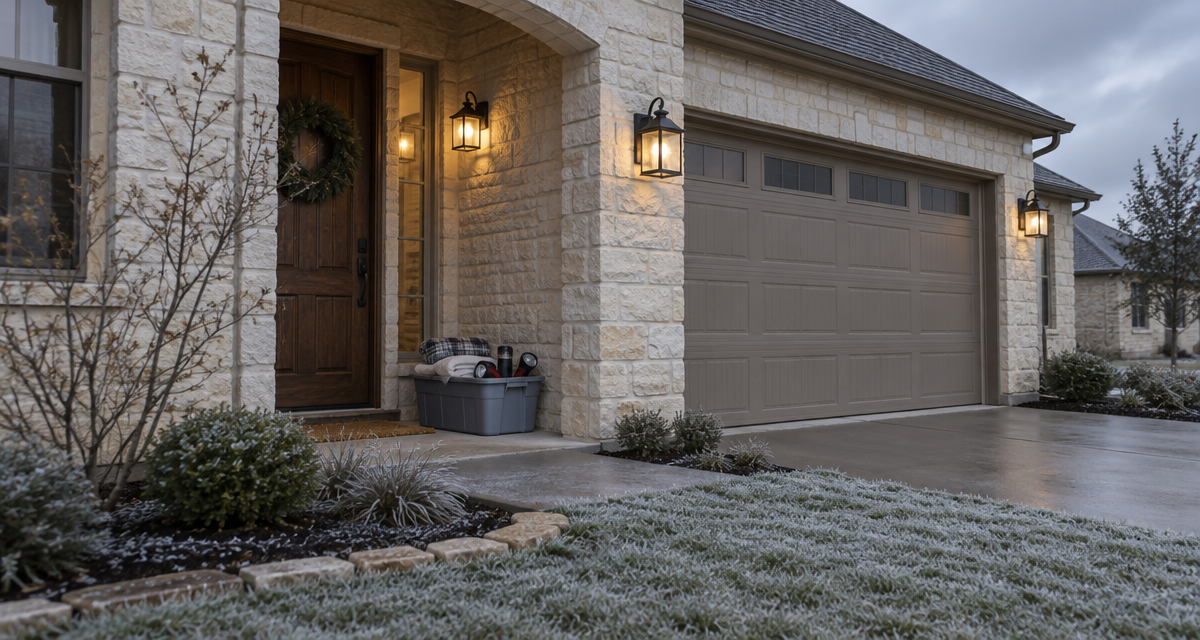
Texas freeze garage tips start with a simple priority: prepare for lost power and dangerous cold before worrying about garage projects. For homeowners in Austin, Travis County, and Hays County, the useful takeaway is to include the garage in the household emergency plan, without treating it as a substitute for warm shelter.
A hard-freeze checklist should cover accessible supplies, weather preparation, outdoor generator placement, and fewer reasons to venture outside. These are practical lessons to carry into the next forecast, not instructions for repairing garage-door equipment.
What belongs at the top of your garage freeze checklist?
The first lesson is to plan for disruption, not just a cold morning. Ready.gov says winter storms can last a few hours or several days and can interrupt heat, power, and communications. That makes the garage part of a larger household plan. Before the forecast worsens, think through which supplies you keep there, which you might need indoors, and what tasks you can finish without rushing.
Start with reliable information. Ready.gov recommends following weather reports, listening for emergency information, and signing up for your community's warning system. Make checking those updates a household responsibility rather than assuming someone else has done it. For an Austin-area home, the practical garage question is straightforward: what needs to be organized now so nobody has to search through storage during hazardous weather?
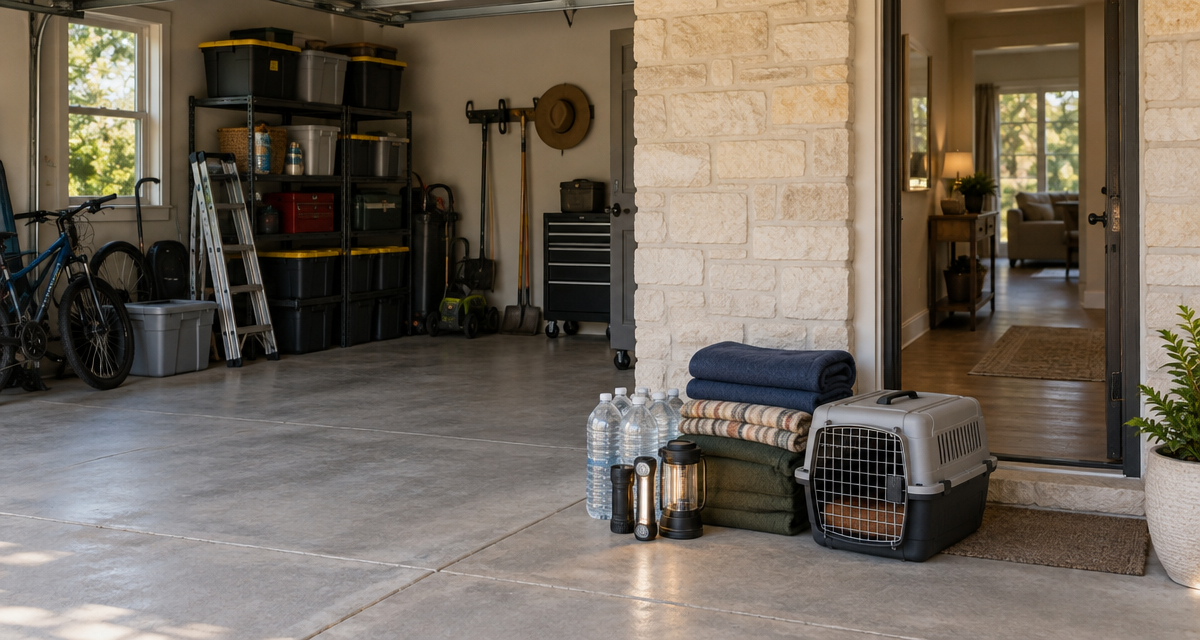
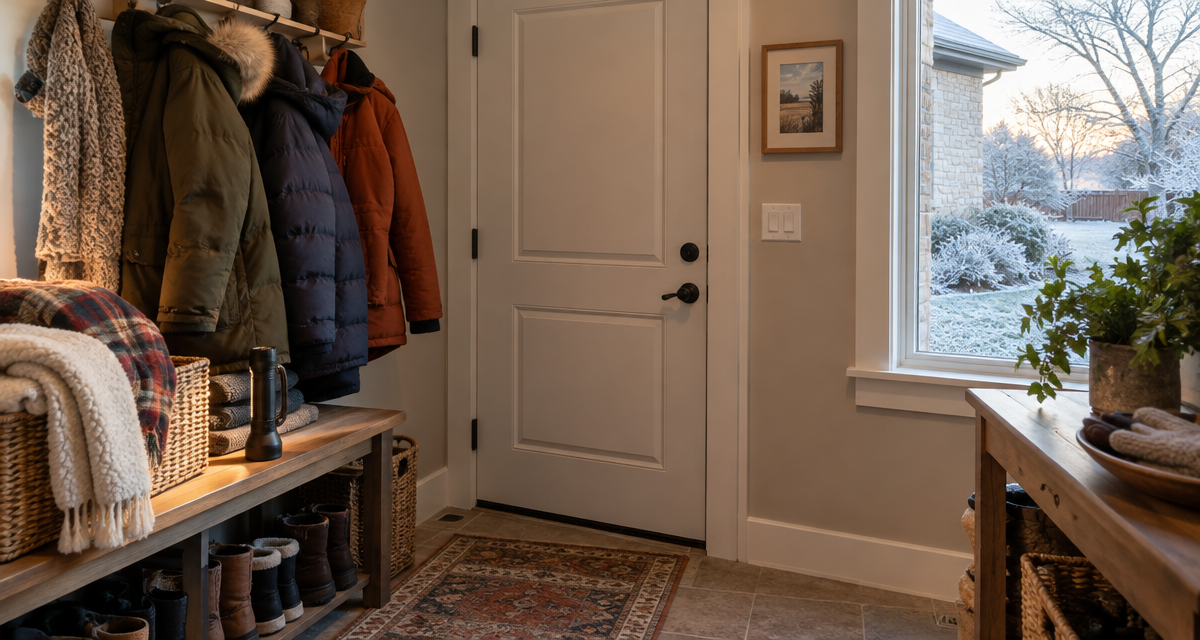
Walk through the garage while conditions are comfortable and identify the things your household might need during an outage. A flashlight buried behind seasonal decorations isn't conveniently available when you need it. Move emergency essentials to an easy-to-reach indoor location, and keep walkways clear as a sensible housekeeping step. The goal isn't a spotless garage. It's having fewer obstacles and fewer last-minute jobs when the weather turns.
Keep the checklist realistic for your household. Ready.gov specifically calls for considering medications, pets, and each person's needs when gathering supplies. Ask whether anyone would have difficulty retrieving an item from the garage or carrying it inside. Assign those tasks ahead of time when possible. A short plan that everyone understands is more useful than an ambitious project list that can't be finished before the freeze.
- Check weather reports and community alerts.
- Identify supplies currently stored in the garage.
- Bring essential items into an accessible indoor location.
- Review medication, pet, and household needs.
How should you prepare for cold without turning it into a repair project?
The next lesson is to separate weather preparation from equipment repair. Ready.gov recommends preparing a home to keep out cold with insulation, caulking, and weather stripping. That supports reviewing your home's weatherization needs before winter weather arrives. It doesn't provide instructions for adjusting garage-door hardware, diagnosing an opener, or replacing door components. Keep this checklist focused on household readiness rather than treating a freeze forecast as a repair guide.
Make a simple list of places around the home that deserve a weatherization review, including the doorway between an attached garage and the house. You can note visible gaps or damaged materials without taking anything apart. If you aren't sure which material or method is appropriate, consult the relevant product instructions or ask a qualified service provider. Don't assume a general weather recommendation answers a specific installation question.
Pipe protection deserves its own preparation step. Ready.gov advises learning how to keep pipes from freezing, but the supplied guidance doesn't prescribe one method for every home. If you have plumbing in or near the garage, identify it ahead of time and obtain guidance appropriate to your setup. Avoid guessing about valves, insulation, or other changes during the storm. Put unanswered questions on your before-the-freeze list instead.
Keep expectations modest about what your preparation accomplishes. A tidier garage or a weatherization project isn't a reason to assume people, pets, or stored belongings are protected from every cold-weather hazard. Ready.gov identifies children, older adults, sick individuals, and pets as groups at greater risk during winter storms. Plan around their needs first, and don't let an unfinished garage project delay getting everyone into appropriate warm shelter.
Why must generators and grills stay out of the garage?
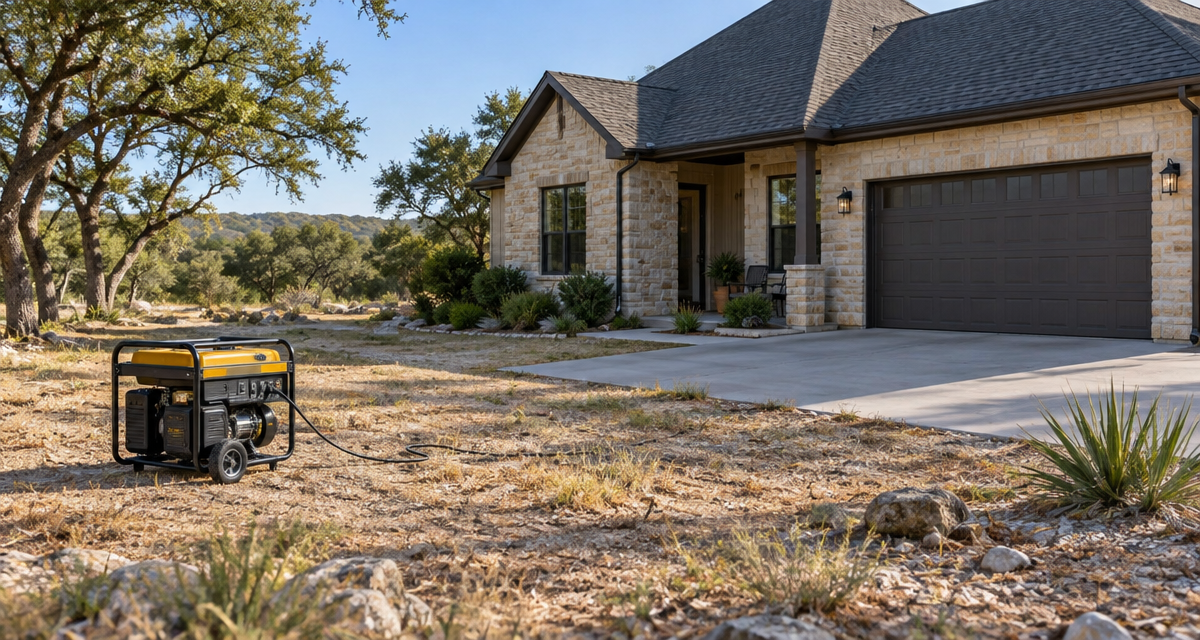
The most important garage boundary during an outage is about combustion equipment. Ready.gov says generators and grills should only be used outdoors and away from windows. It also specifies that generators and fuel should be outdoors and at least 20 feet away from windows, doors, and attached garages. Don't choose a garage as an operating location because it's convenient, sheltered, or close to the items you want to power.
Carbon monoxide makes this a life-safety issue rather than a matter of comfort. Ready.gov describes it as a colorless, odorless gas that can kill people and pets. An open garage door doesn't change the instruction to operate a generator outdoors at the specified distance. Establish that boundary before an outage, and make sure everyone in the household knows that grills belong outdoors too, not in a garage cooking area.
Plan the rest of generator use around the manufacturer's instructions and Ready.gov's precautions. Keep the generator dry and protected from rain or flooding, and don't touch a wet generator or devices connected to one. Ready.gov also calls for heavy-duty extension cords when connecting appliances and letting the generator cool before refueling. Don't improvise a sheltered operating spot that conflicts with the outdoor placement and distance requirements.
Detection and heating choices matter inside the home as well. Ready.gov recommends installing and testing smoke alarms and carbon monoxide detectors with battery backups, and having working carbon monoxide detectors on every level. It also warns against heating a home with a gas stovetop or oven. Put those checks in the household plan rather than concentrating only on the garage. Preparing for an outage means deciding what not to use, too.
- Plan an outdoor generator location that meets Ready.gov's distance guidance.
- Review the generator manufacturer's instructions before use.
- Install and test smoke alarms and carbon monoxide detectors with battery backups.
- Keep grills outdoors and never use an oven or stovetop for home heating.
Which supplies should be ready before an outage?
Ready.gov recommends gathering supplies in case you need to remain home for several days without power. It specifically mentions medications, pet needs, and extra batteries for radios and flashlights. Use that guidance to review what you already have rather than starting with a shopping spree. If supplies are spread between the garage, closets, and vehicles, bring the household essentials together so everyone knows where to find them.
Think about access as well as inventory. As a practical planning exercise, ask how you'd get to necessary supplies without depending on an electrically operated garage entrance. This isn't a prompt to experiment with door equipment or attempt a repair. It's a reason to relocate essentials before the storm. Keep the manufacturer's instructions available for equipment questions, and avoid making access to the garage the centerpiece of your emergency plan.
Your vehicle kit has a separate purpose. Ready.gov recommends jumper cables, sand, a flashlight, warm clothes, blankets, bottled water, and nonperishable snacks, along with keeping a full tank of gas. Check that kit before conditions deteriorate, whether you normally park in the garage or outside. Having a prepared vehicle doesn't make a trip necessary or safe, though. Ready.gov advises staying off roads during winter weather if at all possible.
Do a short household walkthrough after organizing everything. Show others where the flashlights, batteries, medications, and pet supplies are kept, and ask whether anything important is still difficult to reach. Include the needs of anyone who may be staying with you. This kind of preparation isn't complicated, but it makes the plan concrete: fewer searches, fewer assumptions, and fewer reasons to head into the garage during dangerous weather.
What should wait until the dangerous cold has passed?
Once severe weather arrives, shift from preparation to protection. Ready.gov advises finding shelter right away under a winter storm warning and limiting time outside. The National Weather Service warns that extreme cold can cause frostbite and hypothermia, with wind making conditions more dangerous. Garage organizing, outdoor checks, and unfinished projects can wait. Don't make completing a checklist more important than following current warnings and keeping people out of the cold.
If you must go outside, Ready.gov recommends layers of warm clothing. The National Weather Service identifies uncovered skin and extremities, including hands and feet, as areas especially prone to frostbite. Keep necessary outdoor tasks brief rather than adding extra chores while you're there. A quick trip to retrieve something shouldn't become an extended garage project. Preparing supplies beforehand is partly about avoiding those tempting but unnecessary additions during hazardous conditions.
Be cautious about assumptions involving plants as well. The National Weather Service says cold outbreaks can damage residential plants and flowers, and that each plant species has a different cold tolerance. Moving a pot into the garage shouldn't be treated as proof that its needs are met. Check plant-specific guidance before the weather arrives, and don't make repeated trips into dangerous cold simply to rearrange pots or revisit an unfinished gardening plan.
When conditions are safe, review the plan instead of immediately tackling every postponed task. What was hard to find? Which supplies should have been indoors? Did everyone understand the generator rule? Write down those practical gaps while they're fresh, without assuming that every inconvenience calls for new equipment. The lasting lesson for Central Texas homeowners is straightforward: prepare earlier, keep weather safety separate from repair work, and make the next freeze plan easier to follow.
What else do homeowners ask about this topic?
Can I run a generator in the garage with the door open?
No. Ready.gov says generators and fuel should be outdoors and at least 20 feet from windows, doors, and attached garages. Opening the garage door doesn't satisfy that guidance.
What should I move out of the garage before a freeze?
As a practical preparation step, move emergency essentials into an accessible indoor location. Ready.gov recommends supplies for several days without power, including medications, pet supplies, and extra batteries for radios and flashlights.
Do these weather sources explain how to repair a garage door?
No. They support winter preparedness and cold-weather safety, not component-specific garage-door repair instructions. Consult your equipment manufacturer's instructions for those questions.
Will moving plants into the garage guarantee they're protected?
Don't assume it will. The National Weather Service says plants have different cold tolerances. Get guidance for the particular plants rather than relying on the garage location alone.
What should you remember before taking the next step?
- Prepare for several days of disruption, and keep essential supplies accessible indoors.
- Keep generators and fuel outdoors at least 20 feet from windows, doors, and attached garages.
- Separate home weather preparation from garage-door repairs and equipment-specific safety questions.
- During dangerous cold, prioritize warm shelter and postpone unnecessary garage tasks and travel.

Sources and manufacturer instructions
“Springs are under high tension.”
Get help with garage door tune-up
Call Springz to describe the problem, request a diagnosis and confirm current service availability in Travis and Hays Counties.