Hop Topics · 11 min read
Hurricane Season Garage Doors: Why Inland Planning Matters
By Ted DeSimone
Updated
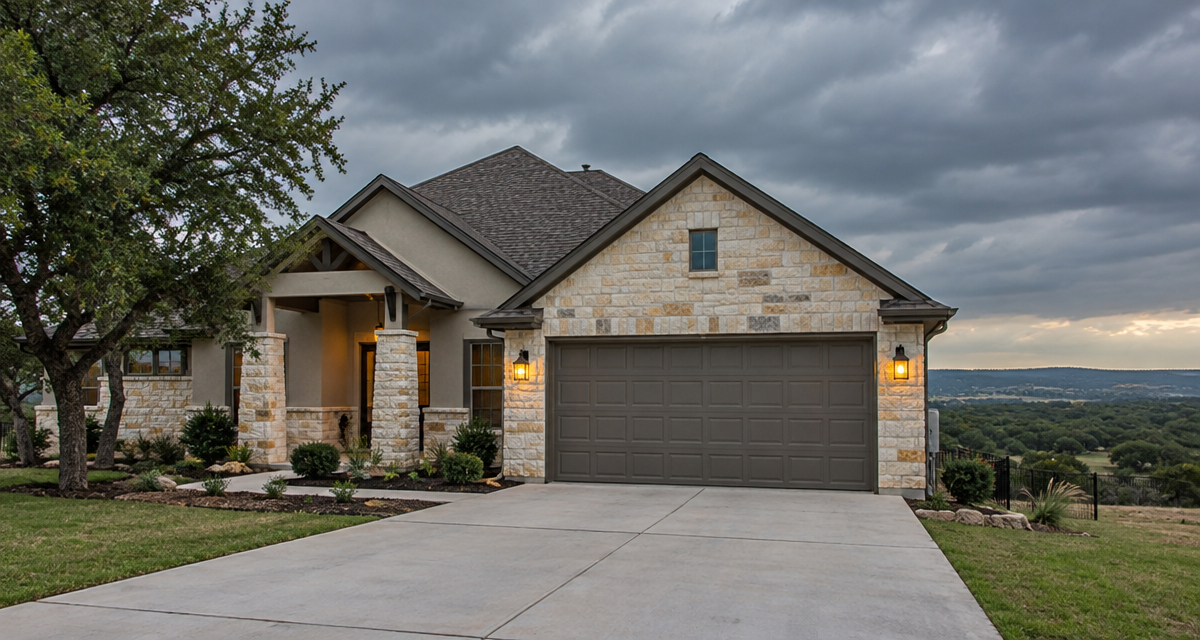
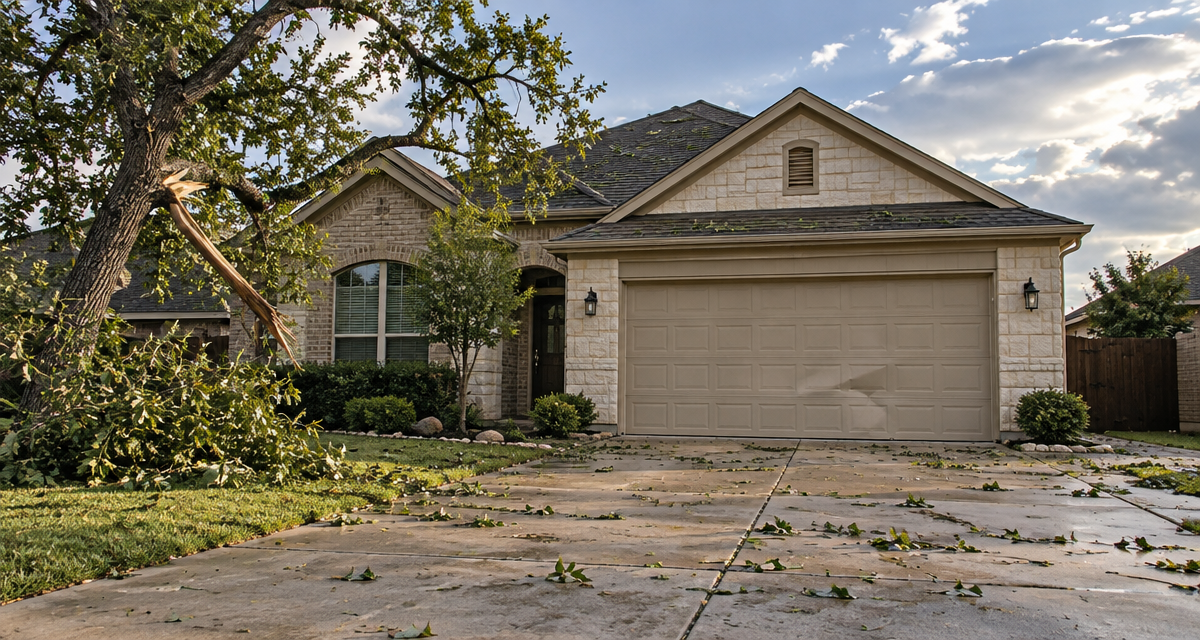
When you’re thinking about hurricane season garage doors, don’t let an inland address take yours off the preparation list. Ready.gov warns that hurricane and tropical storm hazards, including wind and flooding, can reach far inland. For homeowners in Austin, Travis County and Hays County, planning starts with understanding the property rather than assuming distance from the coast settles the question.
The useful work happens before threatening weather arrives: gather information about your door, ask about site-specific wind exposure and make a household emergency plan. Leave repairs and reinforcement decisions to qualified help, and put personal safety ahead of protecting the door once conditions turn dangerous.
Why should inland homeowners think about garage doors before hurricane season?
Ready.gov’s central message is straightforward: hurricanes aren’t just a coastal problem. Rain, wind, water and even tornadoes can occur far inland from where a hurricane or tropical storm makes landfall. That doesn’t predict what any particular Austin-area home will experience. It does mean that being inland isn’t a sound reason to skip preparation, including questions about a garage door’s wind-load requirements and the conditions around the home.
High winds also aren’t limited to tropical weather. The National Weather Service explains that they can occur during severe thunderstorms or with strong weather systems, and that windblown objects can threaten safety. Looking at your garage door before hurricane season is therefore a practical opportunity to address unanswered questions about wind exposure. You don’t need to wait for a named storm to gather documents or request an assessment.
The garage door belongs in that conversation because DASMA specifically identifies site conditions that affect the wind load on it. Rather than judging preparedness by how solid a door looks, ask what information supports its suitability for your location. Appearance alone isn’t a useful basis for a technical decision. A sensible homeowner’s role is to collect information and identify concerns, not to calculate loads or improvise structural changes.
Keep that door review in proportion to the rest of your emergency planning. Ready.gov also emphasizes alerts, household supplies, important documents and knowing what to do when officials issue instructions. A garage door appointment doesn’t replace those preparations. The goal is to settle questions while conditions are calm, so you aren’t standing in the garage trying to make repair decisions when you should be following emergency guidance.
How do the surroundings affect a garage door’s wind exposure?
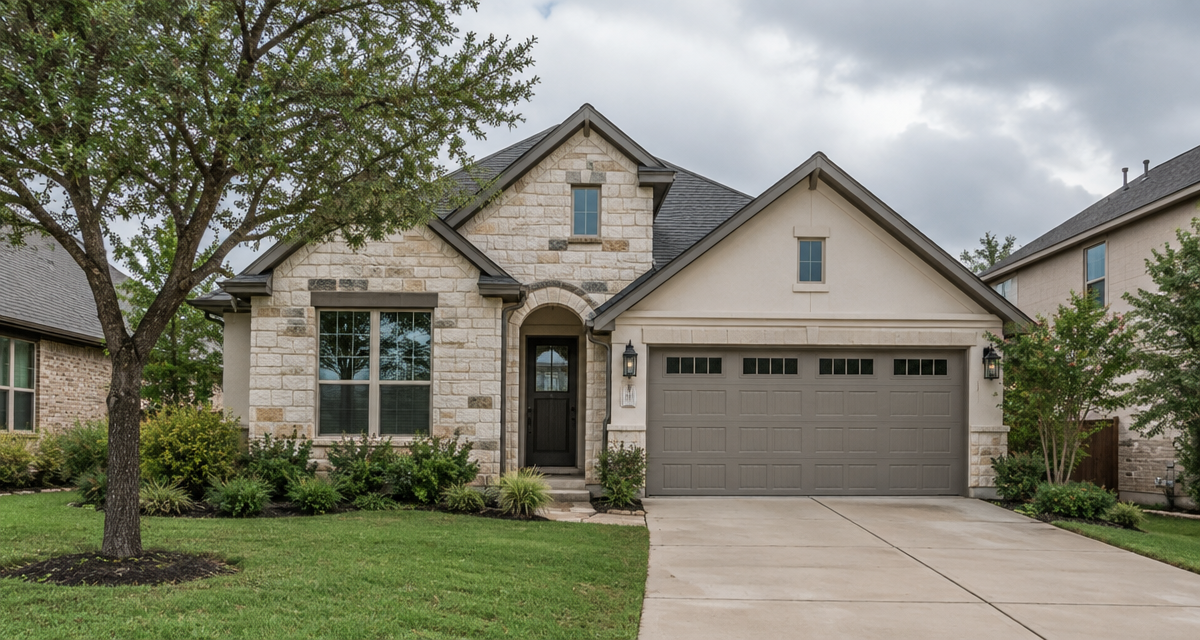
DASMA describes Exposure B as a typical suburban setting surrounded by trees and other structures that provide some shielding from wind. That description is useful background, but it shouldn’t become a homeowner’s do-it-yourself approval of a door. DASMA also says to know whether the local code requires a particular exposure for an installation. Start by asking which requirements apply to your property rather than assuming the neighborhood’s appearance answers everything.
Exposure C includes an open area extending about a quarter-mile or more in any direction. For an inland homeowner, the open-land description is particularly worth bringing into the discussion. If your property faces a broad open area, describe that setting when requesting guidance instead of treating every address in the same community as having identical conditions.
Inland water can matter, too. DASMA describes Exposure D as a site within a quarter-mile of an inland body of water that is a mile or more across. It also notes that hills and valleys next to a garage door may affect wind load. These details explain why a general conversation about being far from the Gulf can miss relevant features immediately around a particular Central Texas home.
You don’t need to assign an exposure category yourself. DASMA says a local professional engineer or a door manufacturer’s technical staff member who understands wind provisions may help when there isn’t a code-mandated exposure. Terrain questions may also call for a professional engineer. Bring a clear description of nearby open land, water, trees, buildings and slopes, then ask the qualified person how those conditions affect the evaluation.
What can you safely check before scheduling professional help?
Begin with information you can gather without working on the door. Look for existing purchase records, installation paperwork or manufacturer information already in your files. If you don’t have those documents, say so when arranging an assessment. The practical aim is to help identify what is installed and what questions remain. Don’t climb, remove covers or reach around hardware just to find information for an initial conversation.
From a safe location, note obvious concerns you can see without touching or operating anything. A visibly damaged panel or a door that appears crooked is worth describing to a garage door professional. Don’t turn that observation into a test of whether the door can still move. If something appears damaged or unstable, keep people and pets away from the opening and leave the evaluation to professional help.
Ask focused questions rather than requesting a generic storm-ready label. What documentation is available for this door? What wind-load requirements apply to the installation? Does the property’s exposure need review by an engineer or the manufacturer’s technical staff? These questions follow the distinction DASMA makes between site conditions and applicable requirements. They also help keep the conversation tied to your actual home instead of assumptions based on a similar-looking door.
If the discussion turns to reinforcement, hardware changes or repairs, don’t improvise a solution from spare materials. We recommend reaching out to a garage door professional because that work can be very dangerous if done incorrectly. Don’t adjust springs, cables or bottom brackets. Ask the professional to explain any proposed work and its supporting information, and refer unresolved wind-load or terrain questions to the qualified technical help DASMA identifies.
- Collect existing door paperwork without climbing or dismantling anything.
- Write down visible concerns from a safe location.
- Describe nearby open land, water and terrain.
- Ask who should verify applicable requirements and exposure.
What should your household plan include before a storm approaches?
Plan the door review while there’s time to ask questions and consider the answers. There’s no need to wait until a forecast creates urgency. Keep any door information and professional recommendations with your other home records, and make sure another household member knows where to find them. If questions remain unresolved, write them down rather than treating an unfinished conversation as confirmation that the garage is ready for severe weather.
Ready.gov recommends making a household emergency plan that everyone knows and understands. Include any additional help someone with a disability may need. For your garage-related planning, think through ordinary practical details, such as keeping essential supplies somewhere you can reach without approaching a damaged door. Decide where household members will get emergency information and how you’ll communicate, rather than leaving those decisions for the moment weather becomes threatening.
Have several ways to receive alerts, as Ready.gov recommends. Options it identifies include the FEMA app, community alerts, the Emergency Alert System and Wireless Emergency Alerts. Keep your phone charged when a hurricane is in the forecast, and consider backup charging devices. Follow local emergency managers for recommendations specific to the threat facing your community. A garage door concern shouldn’t distract you from an evacuation instruction or other urgent safety message.
Prepare the rest of the property and household as well. Ready.gov recommends bringing in outdoor furniture, gathering supplies, reviewing insurance and personal documents, and keeping digital copies in a secure, password-protected space. Handle outdoor preparation before conditions become hazardous. Include medications and pet supplies in your planning, and check whether neighbors need help organizing their plans. Garage door preparation works best as one part of this broader routine, not a separate last-minute project.
- Arrange the door review before threatening weather arrives.
- Share the household emergency plan and discuss assistance needs.
- Set up multiple ways to receive emergency alerts.
- Gather supplies and secure important document copies.
- Bring outdoor furniture inside while conditions are safe.
What should you do about the garage door during and after dangerous weather?
Once dangerous weather is underway, shift your attention from property preparation to personal safety. Don’t go outside or stand near the garage opening to inspect how the door is handling wind. Ready.gov advises taking refuge in a designated storm shelter or an interior room for high winds. Follow current emergency information and local instructions, and evacuate immediately if officials direct you to do so in a mandatory evacuation zone.
If you hear or notice a possible door problem during the storm, don’t attempt an emergency adjustment or makeshift brace. We recommend reaching out to a garage door professional because repairs or reinforcement can be very dangerous if done incorrectly. Wait for safe conditions and appropriate help rather than approaching the door to investigate. Protecting belongings doesn’t justify leaving your place of refuge or ignoring instructions from emergency officials.
After the storm, continue following local officials for information and special instructions. Don’t assume the garage is safe simply because the wind has eased. Ready.gov warns against touching wet electrical equipment or electrical equipment while standing in water, and it advises against wading in floodwater. If reaching the garage would mean entering water or approaching obvious damage, stay away and seek appropriate assistance instead of trying to inspect the door.
When it’s safe, document property damage with photographs and contact your insurance company for assistance, as Ready.gov recommends. Take pictures only from a safe position, without moving damaged components or operating the door to demonstrate a problem. Arrange professional evaluation before attempting to use a visibly damaged or displaced door. Keep your earlier paperwork and any assessment notes together so you can explain what was known before the storm and what changed afterward.
What else do homeowners ask about this topic?
Does living inland mean I can skip hurricane garage door planning?
No. Ready.gov says hurricane and tropical storm hazards can reach far inland. DASMA also identifies local site conditions that affect garage door wind loads, so distance from the coast doesn’t answer every question.
Do surrounding trees prove my garage door has enough wind protection?
No. DASMA describes trees and nearby structures as providing some shielding in Exposure B settings, but applicable requirements and the specific installation still need consideration. Don’t treat nearby trees as proof of suitability.
Can I add homemade bracing before a storm?
We recommend reaching out to a garage door professional rather than improvising reinforcement. That work can be very dangerous if done incorrectly, and these sources don’t provide a safe do-it-yourself bracing procedure.
Who can help determine the right wind exposure for my property?
Start by asking about applicable local requirements. DASMA identifies a local professional engineer or manufacturer technical staff member familiar with wind provisions as possible resources, and notes that terrain may require an engineer’s input.
What should you remember before taking the next step?
- Inland homes still need plans for hurricane-related wind and other hazards.
- Open land, surrounding structures, inland water and terrain can affect garage door wind-load considerations.
- Gather documents and request qualified guidance before threatening weather arrives.
- During and after a storm, prioritize emergency instructions and avoid damaged doors, hazardous hardware and floodwater.
Sources and manufacturer instructions
“Springs are under high tension.”
Get help with new garage door installation
Call Springz to describe the problem, request a diagnosis and confirm current service availability in Travis and Hays Counties.