Hop Topics · 10 min read
What Garage Door Wind Load Ratings Mean When You’re Shopping
By Ted DeSimone
Updated
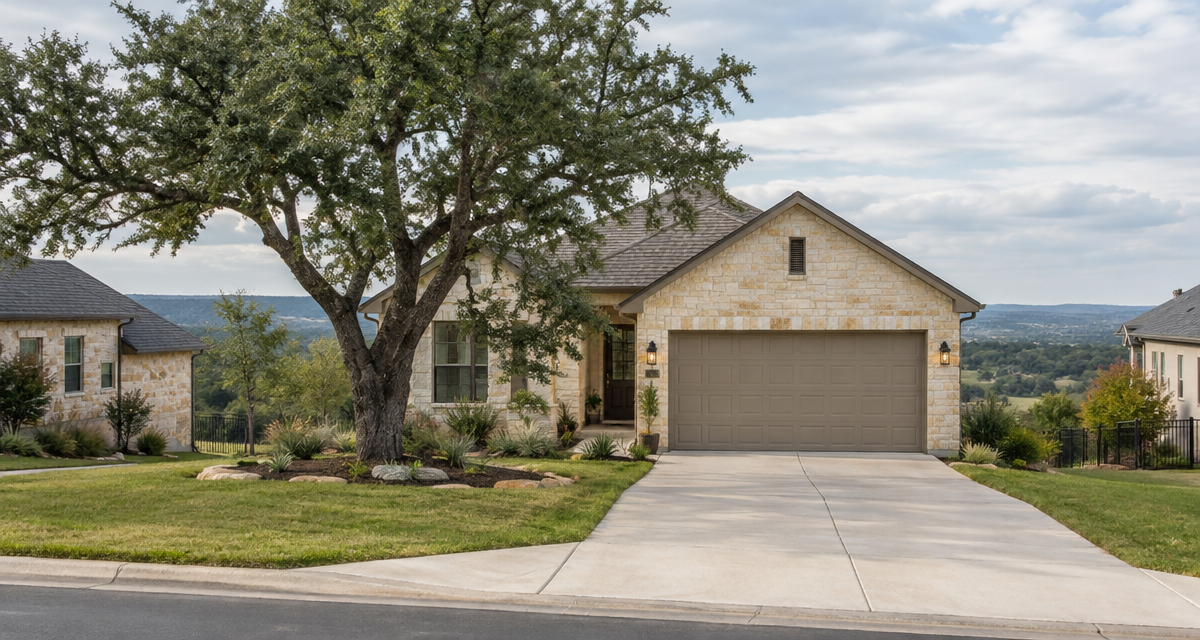
Shopping for a door with the right garage door wind load rating starts with your home’s location, not just a number in a brochure. DASMA’s guidance explains that surrounding development, open land, water, and terrain can affect the wind load requirement for a garage door.
For homeowners in Austin, Travis County, and Hays County, the practical move is to ask how a proposed door matches the requirements for the actual installation. Don’t assume a neighbor’s choice or a general wind-related sales claim answers that question.
What should a wind load rating tell you when shopping?
The most useful plain-language question is, “Does this door’s rating match what my installation requires?” That keeps the conversation focused on your home instead of an impressive-sounding sales description. DASMA’s wind load guidance establishes an important starting point: site conditions affect the wind load on a garage door. A rating therefore needs context before you can use it to make a sensible purchasing decision for your property.
Think of the shopping process as matching two pieces of information. One is the requirement for the installation; the other is the rating information for the door being offered. Ask the seller to explain that match in ordinary language and show the supporting information. You don’t need to pretend you understand every technical term. It’s reasonable to pause a purchase when the explanation leaves you with more questions than answers.
Be especially careful when a conversation jumps straight from “wind-rated” to “right for your house.” Ask what site exposure was used and whether a local requirement informed that choice. Those questions follow directly from DASMA’s guidance about exposure conditions. They also give you a useful way to distinguish a property-specific explanation from a broad description that could be repeated to any shopper, regardless of where the door will be installed.
The supplied DASMA guidance explains exposure conditions, not every number or abbreviation that might appear on a manufacturer’s rating label. Rather than guessing at an unfamiliar label, request an explanation from the seller or manufacturer’s technical staff. Keep the focus on what the information means for the proposed installation. A clear explanation should help you understand the recommendation without asking you to take an unexplained rating at face value.
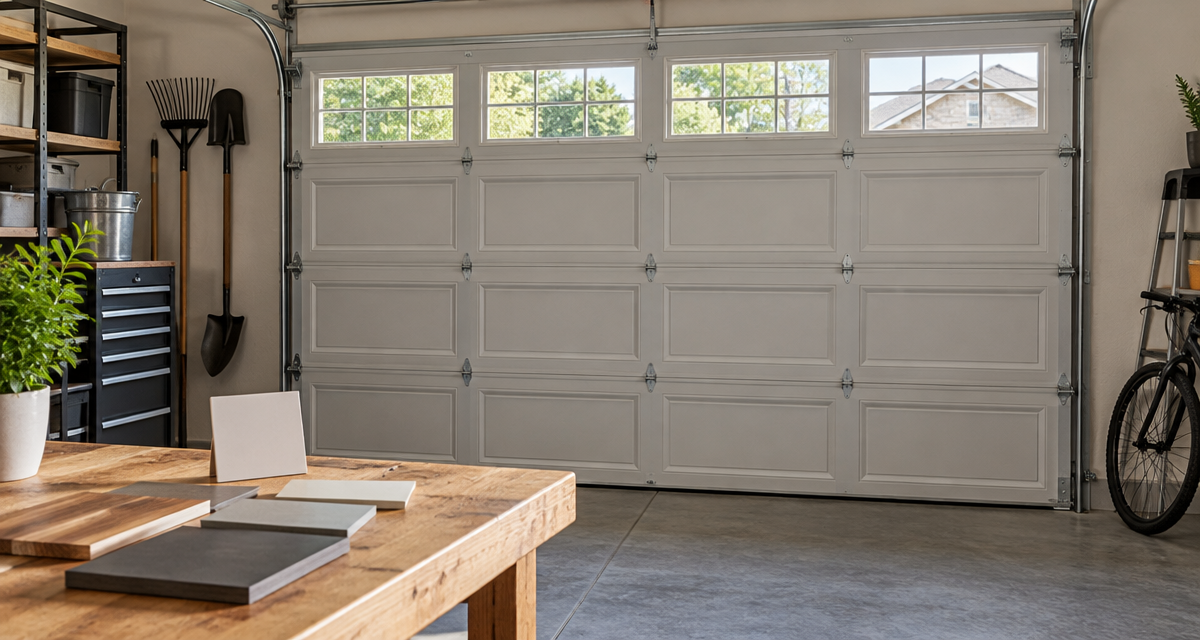
How do trees, nearby homes, and open land affect the requirement?
DASMA describes Exposure B as a typical suburban setting surrounded by trees and other structures that provide some shielding from wind. In plain language, the surroundings are part of the assessment, not just background scenery. When discussing a replacement door, tell the seller about the setting around your home. Don’t stop at your street address if the property’s surroundings need a fuller explanation to make the situation clear.
The same guidance describes Exposure C as including an open area extending about a quarter-mile or more in any direction. It also identifies a shoreline situation in hurricane-prone areas. For your shopping conversation, the useful point is that open land deserves attention. If your home faces or backs onto a broad open area, mention it instead of assuming the presence of houses elsewhere settles the exposure question.
A property can be hard for a homeowner to describe with a single label. You might notice nearby houses in one direction and open land in another, then wonder which matters most. DASMA’s open-area description specifically refers to any direction. Rather than choosing the category yourself from a quick look outside, give the person evaluating the installation a complete description and ask how the applicable exposure will be determined.
DASMA also says to find out whether the local code requires a specific exposure for the installation. That check comes before treating a general neighborhood description as the final answer. If the code doesn’t mandate an exposure, the guidance identifies a local professional engineer or a manufacturer’s technical staff member who understands wind provisions as possible sources of help. Ask your seller who will resolve that question when it isn’t straightforward.
When do water, hills, or valleys need a closer look?
Water is another condition discussed in DASMA’s exposure guidance. The supplied article describes Exposure D as a site within a quarter-mile of an inland body of water that is a mile or more across. That’s a specific description, not a statement that every home near any water has the same exposure. If your property is near a substantial inland body of water, flag that detail for the person reviewing the installation.
The article also describes an Exposure C shoreline condition involving a site within one mile of an ocean or gulf shoreline in a hurricane-prone area. These examples show why “near water” isn’t a complete technical description by itself. When shopping, give accurate location information rather than selecting an exposure from a broad phrase. Ask the reviewer to identify the applicable requirement instead of assuming one water-related example covers every situation.
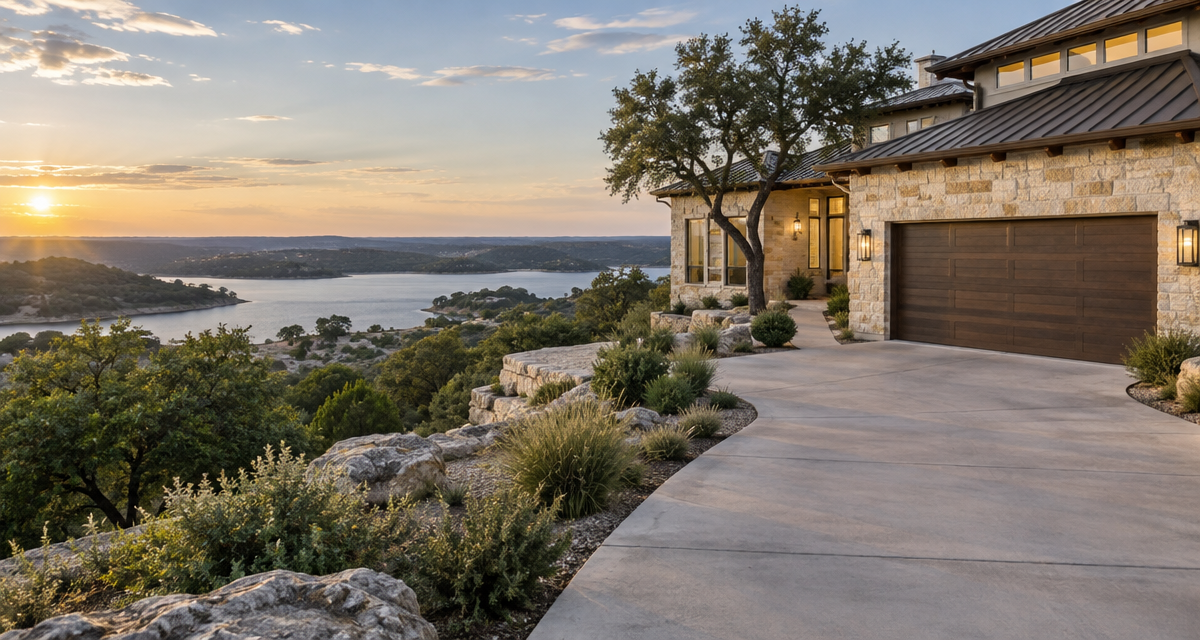
Hills and valleys deserve their own question. DASMA notes that terrain next to a garage door may affect wind load and that consultation with a professional engineer may be needed. Don’t assume trees or nearby homes settle the matter if your property also has notable terrain nearby. Describe what’s there, share useful property photos if requested, and ask whether the terrain creates a question that needs an engineer’s review.
The supplied DASMA article was published in 2005, so use its examples to understand what questions to ask, not as a substitute for checking the requirements applicable to your installation now. Its central advice remains useful for shopping: check for a code-mandated exposure and seek qualified help when needed. You don’t have to turn a neighborhood walk into an engineering assessment before calling about a new garage door.
What should you ask before comparing doors and quotes?
Start by asking what wind load requirement the quote is intended to meet and how that requirement was identified. Then ask which exposure was used. These are related questions, but don’t let one vague answer stand in for both. DASMA specifically points shoppers and installers toward checking whether the local code requires a particular exposure. A useful quote discussion should make that part of the recommendation understandable to you.
Next, ask for the rating information for the particular door being proposed. Have the seller walk you through it rather than leaving you to connect a brochure with a verbal recommendation. As a common-sense purchasing precaution, keep that information alongside the written quote. If you later compare another option, you’ll have a clearer record of what each seller actually proposed and which questions have already been answered.
When two recommendations differ, ask about the assumptions before deciding that one must be better. Were both sellers working from the same property description? Did both address open land, nearby terrain, and any applicable exposure requirement? These questions don’t require you to resolve a technical disagreement yourself. They help identify what still needs clarification before you compare the doors as though the underlying installation requirements were already settled.
If the answer remains uncertain, ask for qualified technical help rather than another sales adjective. DASMA identifies a local professional engineer or a manufacturer’s technical staff member who understands wind provisions as potential resources when an exposure isn’t code-mandated. For terrain concerns, it specifically notes that an engineer may be needed. It’s reasonable to wait for that clarification before committing to a door recommendation you don’t yet understand.
- Ask which installation requirement and exposure the recommendation uses.
- Request rating information for the proposed door.
- Confirm that the property description includes open land, water, and terrain.
- Resolve unclear assumptions before choosing between quotes.
How should wind safety shape your purchase and next steps?
Wind-related shopping questions aren’t only for properties near an ocean. The National Weather Service says high winds can occur during a severe thunderstorm, with a strong weather system, or flowing down a mountain. That broader context is useful when deciding whether to ask about a door’s wind load requirement. You don’t need a coastal address to make site-specific wind questions part of an ordinary garage door purchase discussion.
The National Weather Service also warns that high winds can blow objects around and pose a significant threat to safety. Keep that hazard separate from the shopping question of which door to buy. A door rating isn’t a reason to stand outside inspecting the garage during strong winds. As a basic safety precaution, follow weather guidance and save nonurgent photographs, property observations, and purchasing discussions for safe conditions.
If you already have a door and are considering adding reinforcement, don’t treat a new-door shopping guide as a repair manual. The supplied sources don’t describe a safe reinforcement or hardware-adjustment procedure. We recommend reaching out to a garage door professional because this work can be very dangerous if done incorrectly. Leave springs, cables, and bottom brackets alone, and don’t improvise changes while trying to make an existing door suitable.
For an Austin, Travis County, or Hays County home, the next useful step is a calm, property-specific conversation before you buy. Bring your questions about exposure, mention open surroundings or unusual terrain, and request an explanation of the proposed rating. The goal isn’t to become a wind engineer. It’s to understand why a particular door is being recommended and know when the remaining questions need qualified technical review.
What else do homeowners ask about this topic?
Can I choose a door based only on its wind load rating?
Don’t treat the rating as a stand-alone shopping score. Ask how it matches the requirement for your installation, including the applicable site exposure.
Does a suburban address automatically mean Exposure B?
DASMA describes Exposure B as a typical suburban setting with shielding from trees and structures, but it also says to check for a code-mandated exposure. Open land and terrain can raise additional questions.
Who can help if the exposure is unclear?
DASMA identifies a local professional engineer or a manufacturer’s technical staff member who understands wind provisions as potential help when the code doesn’t mandate an exposure. Terrain concerns may need an engineer.
Can I reinforce my existing garage door myself?
The supplied sources don’t provide a safe reinforcement procedure. We recommend reaching out to a garage door professional because this work can be very dangerous if done incorrectly.
What should you remember before taking the next step?
- Compare a proposed door’s rating with the requirement for your actual installation.
- Ask whether local code specifies the exposure before relying on a neighborhood description.
- Mention open land, nearby water, hills, and valleys when discussing the property.
- Request clear rating information and qualified help for unresolved technical questions.
Sources and manufacturer instructions
“Springs are under high tension.”
Get help with new garage door installation
Call Springz to describe the problem, request a diagnosis and confirm current service availability in Travis and Hays Counties.