Hop Topics · 8 min read
What Are Garage Door Spring Warning Signs?
By Ted DeSimone
Updated
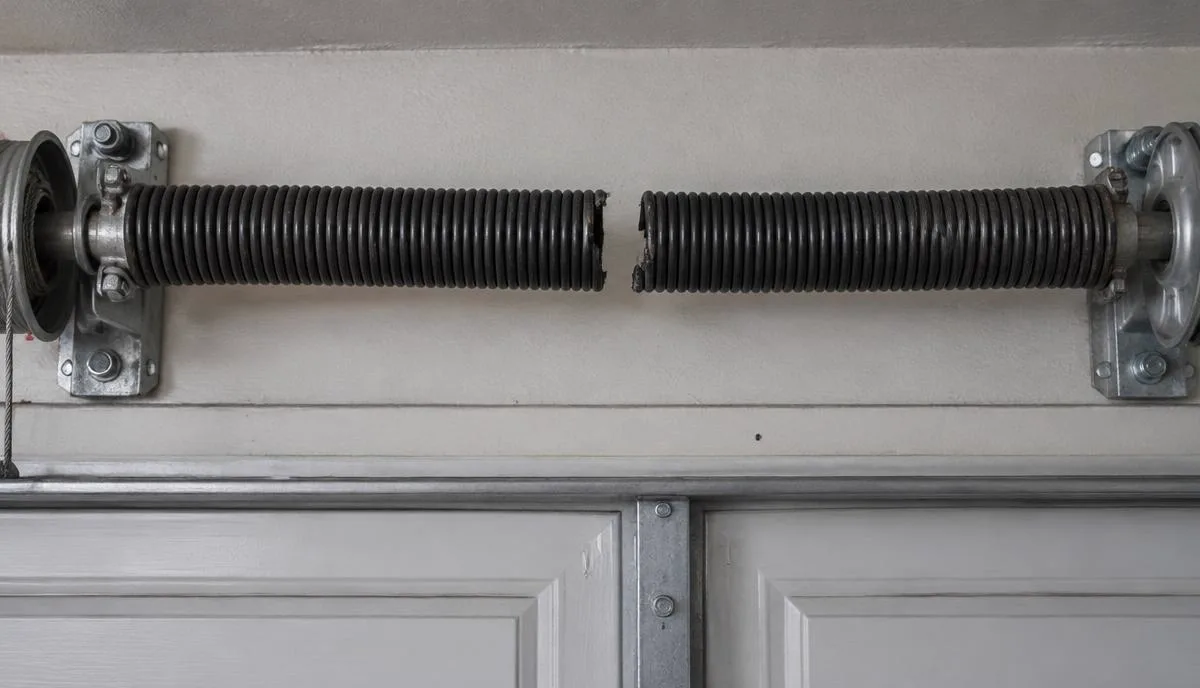
A door that suddenly won't lift may have a spring problem, not a weak opener. Garage door spring warning signs deserve caution because the spring system counterbalances the door and stores substantial energy.
This guide helps you recognize stop-use symptoms, collect useful observations without touching tensioned hardware, and ask better questions about a spring repair. It isn't a spring-adjustment tutorial.
Which spring warning signs mean you should stop immediately?
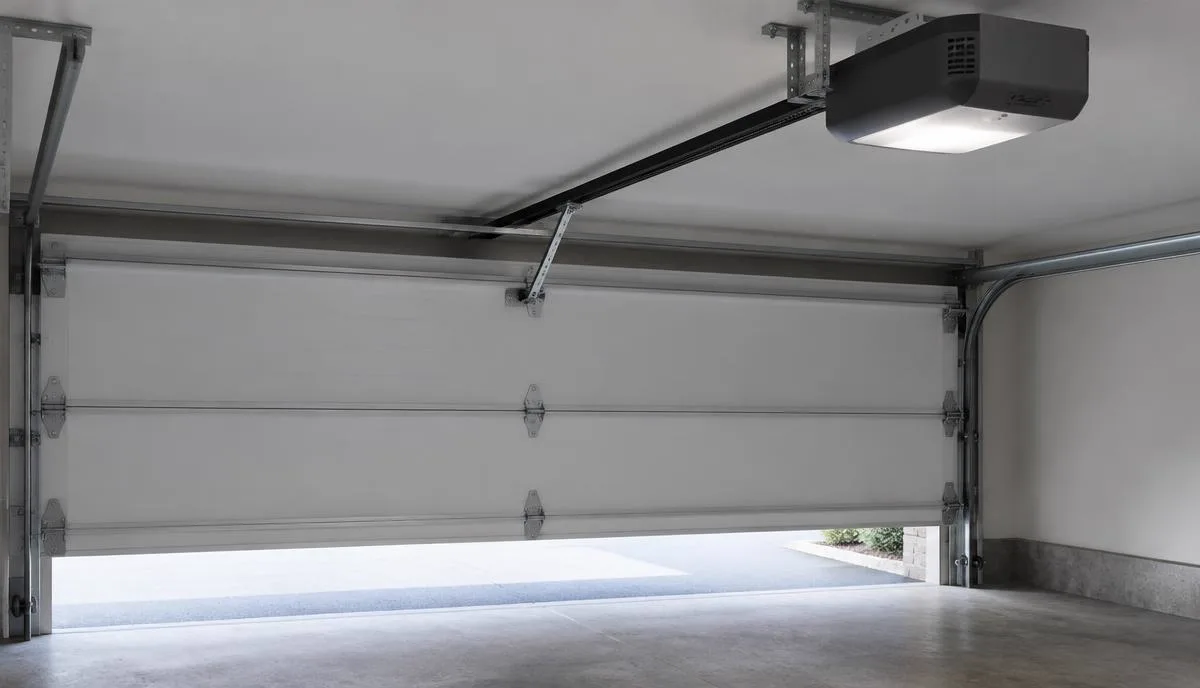
Stop operating a door that's hanging unevenly, dropping unexpectedly or has a visibly damaged cable. Keep the opening clear and don't stand beneath it to inspect the cause. An opener can hold or move a compromised door for a moment without making it safe.
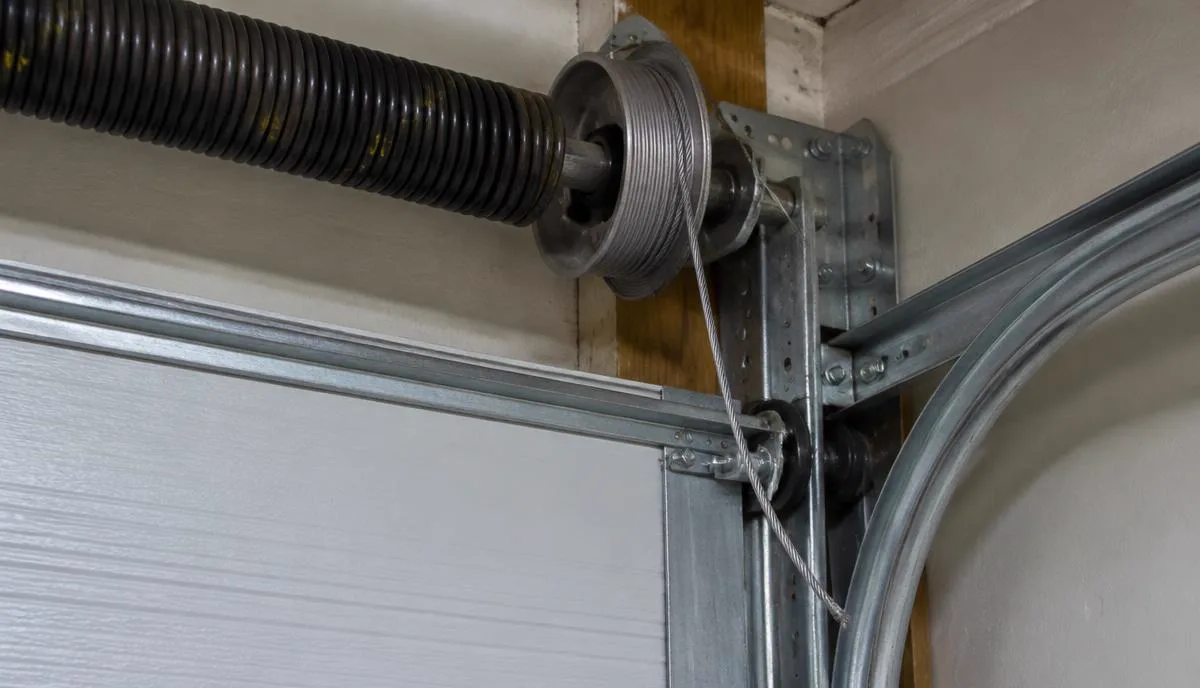
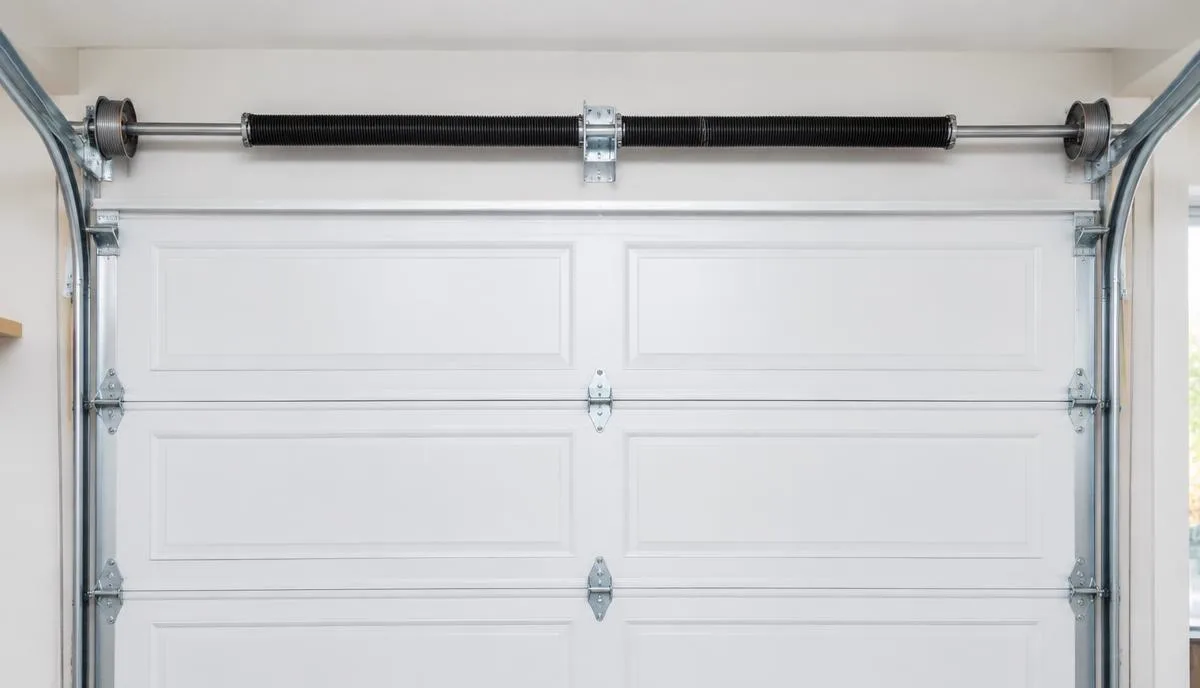
A gap in a torsion spring's coil above the door can indicate that the spring has broken. Observe only from a safe position on the floor and don't climb close to confirm it. Different doors use different counterbalance systems, so not seeing an overhead coil doesn't mean there are no springs.
A sudden loud sound followed by a door that won't open is another reason for caution, but it isn't enough to diagnose the part remotely. A spring, cable or other component could be involved. Tell the technician what you heard and what changed rather than guessing a repair specification.
If the car is trapped, pause before pulling the red release cord. A broken counterbalance can leave the door too heavy to lift and unsafe to support. Explain the trapped-car situation when you call and arrange another way out if the door can't be made safe.
Why can spring trouble look like an opener problem?
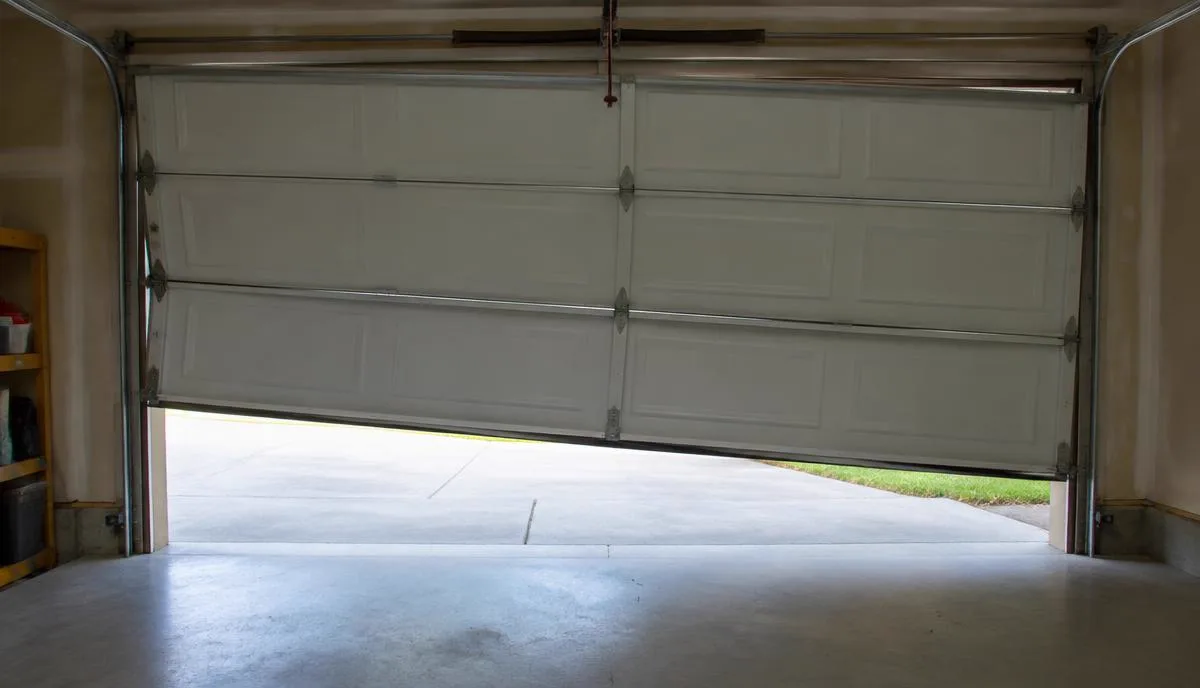
The spring system provides counterbalance; the opener moves a door that's intended to operate properly as a mechanical assembly. When that counterbalance changes, the opener may stall or stop. Replacing the motor without checking the door can miss the actual problem.
For example, an opener that ran normally yesterday but now raises the door only a short distance isn't automatically undersized. Note whether the change was sudden and whether any visible hardware looks different. Don't repeat attempts to see if the opener can overcome the resistance.
Don't increase force settings as a shortcut. Those settings interact with the safety system, and a stronger push doesn't repair a broken spring or binding track. Manufacturer instructions and a mechanical inspection matter more than a generic online adjustment sequence.
The reverse is also true: an opener fault doesn't prove the springs need replacing. Power, controls and safety sensors can cause operational problems. Ask for a diagnosis that distinguishes the door's movement and counterbalance from the operator's electrical and control functions.
Does a crooked or noisy door always need new springs?
No. Uneven movement may involve cables, drums, tracks, rollers or door damage as well as the spring system. A photograph can show that the door is crooked, but it can't establish which replacement part or adjustment is correct. Treat crooked movement as a stop-use symptom.
Noise is similarly nonspecific. A squeak may relate to lubrication, while a new scrape may come from contact between moving parts. Don't spray every component and keep operating a door that has become unstable. Record where the sound seems to occur from a safe distance.
If a door seems heavy during ordinary use, don't recreate the symptom by disconnecting a suspect door for a balance experiment. Routine owner tests are only appropriate when the manufacturer permits them and the door isn't already showing danger signs. A technician can perform the necessary assessment with the door secured.
A useful service description is 'the right side hangs lower and the cable appears loose,' rather than 'it needs two springs.' The first shares evidence; the second commits to a repair before inspection. Keep your hands off loose cable and corner hardware while collecting that information.
- Describe the movement instead of naming an unconfirmed failed part.
- Keep clear of hanging panels and loose cable.
- Have the entire counterbalance and guidance system assessed.
What information helps a technician prepare for spring repair?
Provide the door's approximate width, material and model label if it can be read safely. A wide steel door with windows and a smaller uninsulated door may need different counterbalance specifications. Don't measure spring wire or unwind a spring yourself to help with the quote.
Tell the office whether the door is shut, partly open or fully open, and whether a vehicle or other item blocks access. An unstable open door can require a different approach from a shut door. Mention if the garage is the only access point or if there's a separate service door.
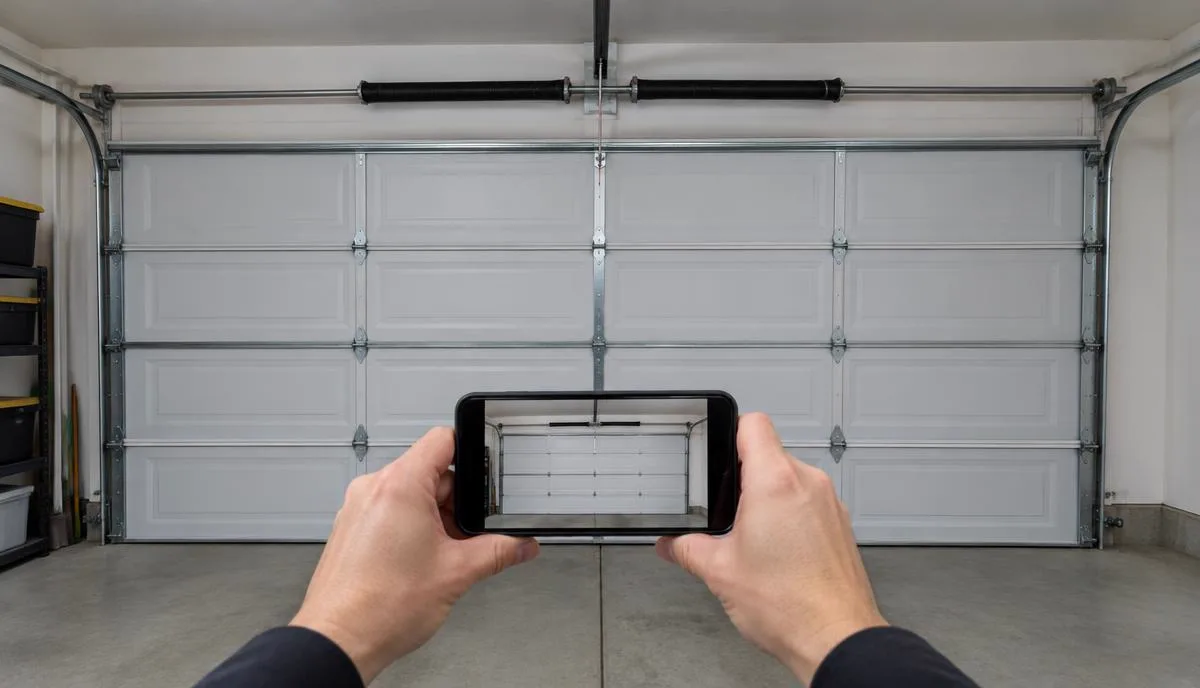
Photos taken from the floor can help show the overall opening and visible hardware. Include the full door, not just a close crop of an overhead coil, if doing so is safe. Never stand below an unsecured door or climb around tensioned components to obtain a better picture.
Also share prior repairs if you have records. A previous spring replacement, panel change or insulation addition may matter to the system's current configuration. If you don't know the history, say so; a technician should inspect instead of relying on invented assumptions about age or original parts.
What should a written spring repair quote explain?
Ask which components were found defective and how the proposed spring selection matches the door. A quote should identify the scope clearly enough that you know whether related cables, bearings or hardware are included. It shouldn't rely only on a broad phrase like 'complete tune-up.'
If a two-spring system has one broken spring, ask why replacing one or both is recommended for that door. The explanation should address condition and compatibility rather than a blanket rule detached from inspection. Different systems and repair histories can justify different recommendations.
If cycle-life options are offered, request the actual specification and what the estimate assumes. A cycle means an opening and closing, not a calendar day. Household use varies, so a quoted cycle rating shouldn't be converted into a guaranteed number of years without explaining the assumption.
Request the installed total, approval process for additional work and written warranty terms. Don't assume an online article establishes Springz pricing or coverage. Ask how the repaired door's movement and required safety functions will be checked before the technician finishes.
How can you reduce future spring-related surprises safely?
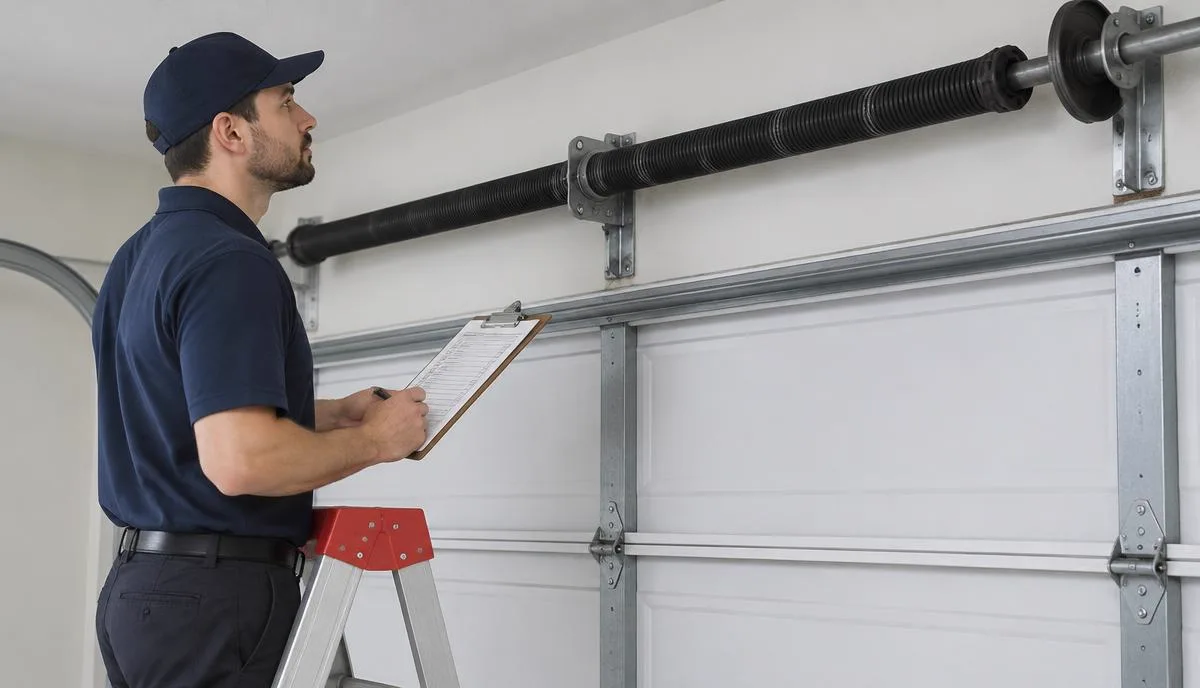
Keep maintenance records and follow the manufacturer guidance for inspections. A professional inspection can identify visible wear or damage, but it can't promise that a spring will never fail. Avoid services that claim a quick visual check guarantees an exact remaining life.
Watch for changes during normal operation: new sounds, uneven movement or a change in how the opener starts. You don't need to conduct extra cycles to find a failure. Once a meaningful danger sign appears, stop rather than waiting for the door to become completely unusable.
Don't modify the door's weight without checking the effect on the system. Added panels, reinforcement, insulation or decorative hardware can matter to counterbalance. Have a professional assess compatibility instead of assuming an opener upgrade compensates for any weight change.
Finally, keep the emergency release instructions accessible for ordinary outages, but recognize their limits. A power outage with a sound, closed door is different from a door with a failed spring. Knowing when not to release or lift the door is part of useful homeowner preparation.
- Keep records of repairs and configuration changes.
- Stop after a new mechanical danger sign.
- Ask about counterbalance before changing door weight.
What else do homeowners ask about this topic?
Can I open a garage door with a broken spring?
Don't try to operate or manually lift a door with a suspected broken spring. It may be extremely heavy or unstable, and releasing the opener can remove support that was keeping it in place.
Does a loud bang mean my garage door spring broke?
A broken spring is one possible cause, especially if the door suddenly won't lift. Stay clear and arrange an inspection rather than treating the noise alone as a confirmed diagnosis.
Should I replace both garage door springs?
That depends on the system, component condition and repair history. Ask the technician to explain the recommendation and specify the compatible parts in the written quote.
What should you remember before taking the next step?
- Stop using a crooked, dropping or visibly damaged door.
- Don’t use extra opener force to overcome resistance.
- Share observations without touching tensioned parts.
- Ask for a clear repair scope and written terms.
Sources and manufacturer instructions
“Springs are under high tension.”
Get help with broken spring repair
Call Springz to describe the problem, request a diagnosis and confirm current service availability in Travis and Hays Counties.