Hop Topics · 10 min read
Garage Door Spring Myths: What’s Safe and What Isn’t
By Ted DeSimone
Updated
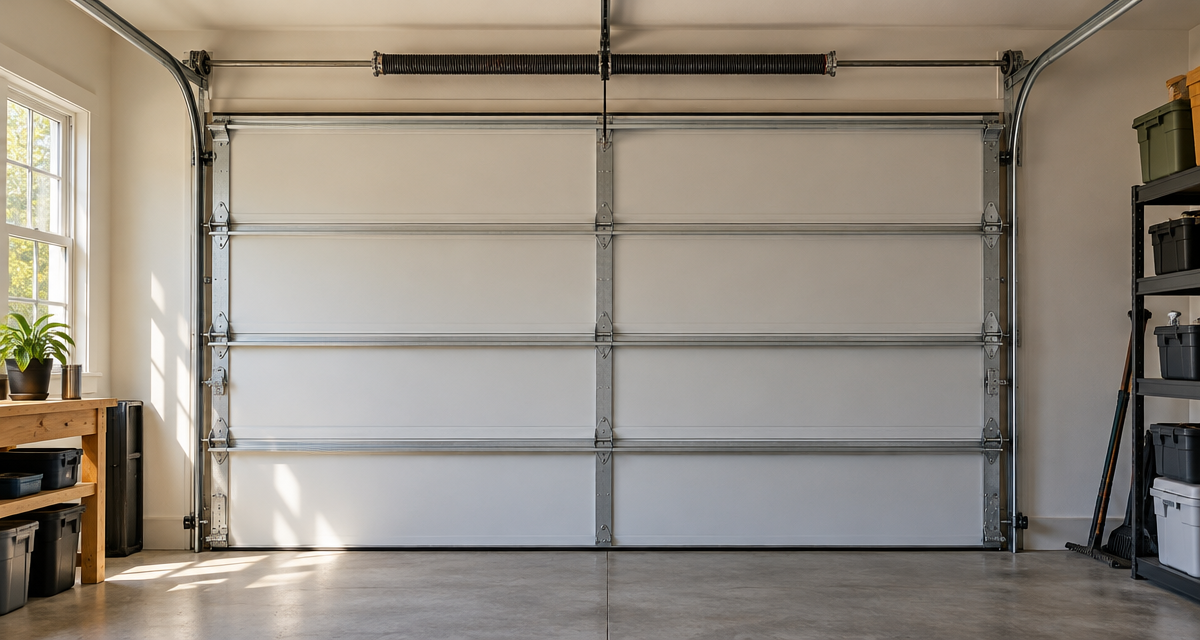
Believing garage door spring myths can turn a maintenance question into a dangerous DIY project. The most important distinction is simple: homeowners can observe their doors, but spring repairs and adjustments belong with trained garage door technicians.
For homeowners in Austin, Travis County, and Hays County, knowing what to leave alone matters more than knowing how to take it apart. Here’s how to separate ordinary maintenance from spring-system work that puts you at risk.
Does closing the door make DIY spring work safe?
The first myth is that lowering the door makes everything safe to handle. DASMA specifically warns that extension springs are under high tension when the garage door is down. Closing the door is not permission to loosen hardware, disconnect a cable, or attempt a spring repair. The position of the door doesn’t replace the knowledge needed to work on its spring system, and a stationary door shouldn’t be treated as a harmless one.
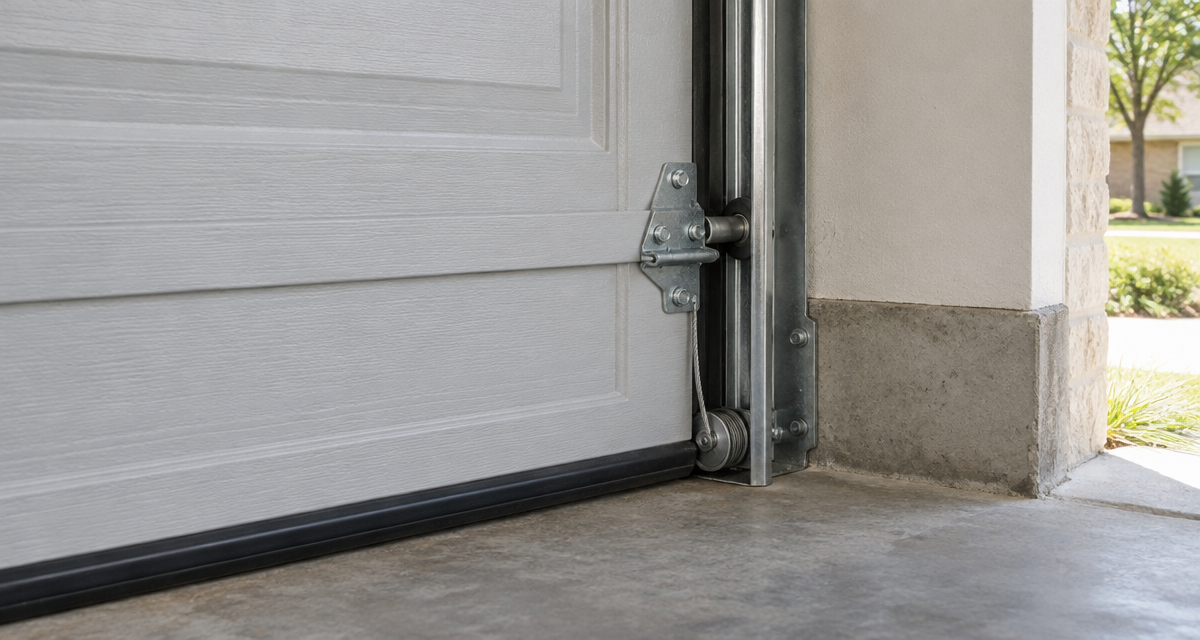
Another version of this myth sounds reasonable: “I’m only tightening a bracket, not touching the spring.” But DASMA explains that the bottom brackets are connected to the springs and are under extreme tension. Those brackets should be adjusted or loosened only by a trained door systems technician. A small-looking fastener can be part of the same hazardous system, so the apparent size of the job isn’t a useful measure of safety.
The cables deserve the same caution. They connect the spring system to the bottom brackets on both sides of the door, and DASMA says worn or frayed cables can break and cause injury. Looking for visible wear is different from handling, pulling, or replacing a cable. Because of the high spring tension involved, cable replacement belongs with a trained technician, even if the damaged area seems easy to reach.
Your safest DIY contribution is a clear description, not a repair attempt. From a safe position, note what you’ve already observed, such as visible cable wear or unusual door movement. Don’t operate a suspect door repeatedly just to gather more details, and don’t remove hardware to get a better view. Share your observations when arranging service so you can explain the concern without putting yourself next to the parts involved.
Does a squeaky spring always mean it’s about to break?
A squeak can get your attention without proving that a spring is failing. DASMA’s garage door safety tips say springs can become noisy through normal use, and that noise doesn’t necessarily indicate a problem. That’s useful reassurance, but it’s not a diagnosis of your particular door. Treat sound as something to describe and investigate safely, rather than proof that you need either an immediate spring replacement or no attention at all.
For squeaky springs, DASMA suggests a spray-on lubricant recommended especially for garage doors, followed by professional service if the noise persists. Your door’s instruction manual should guide any routine maintenance because models have their own safety instructions. Don’t turn a lubrication task into an adjustment project, and don’t loosen anything to reach a noisy spot. If access feels awkward or unsafe, leave that maintenance to a trained technician instead.
The opposite assumption is just as unhelpful: a quiet spring must be a healthy spring. DASMA says springs wear out and recommends professional inspection of springs on older garage doors, with replacement if needed. Don’t use the absence of squeaking as your only maintenance plan. Keep up with the manufacturer’s instructions and professional inspections rather than waiting for a particular sound to tell you it’s time to pay attention.
It helps to separate a noise complaint from an operating complaint. If the door also moves awkwardly, don’t assume lubricant settles the whole issue. DASMA identifies a door that doesn’t travel smoothly as a potentially unsafe condition, which deserves attention beyond the sound itself. Tell the technician whether you noticed noise alone or noise alongside unusual movement, and avoid repeated test runs when you’re concerned about the door’s safety.
If the door still moves, can you ignore a spring concern?
A door that opens and closes hasn’t necessarily passed a safety check. DASMA warns that a door that doesn’t move smoothly may have an unsafe condition, and even older systems should operate smoothly. That undercuts the familiar excuse that an aging door is simply supposed to struggle. Continued movement isn’t a reason to dismiss a change in operation or to keep using a door you believe may be damaged.
DASMA also explains that awkward operation continuing during manual use may indicate an out-of-balance spring system. That’s a useful distinction for professional evaluation, not an invitation to experiment with a door you suspect has a spring problem. You don’t need to reproduce every symptom before requesting help. Describe what has already happened, consult the model’s safety instructions, and let a trained technician determine how to inspect the system safely.
An out-of-balance spring system can cause premature wear on other important door components, according to DASMA. That makes “I’ll deal with it when it stops completely” a poor maintenance strategy. It’s better to respond to awkward operation than to treat continued movement as proof that nothing needs attention. The appropriate response is professional assessment, not changing spring tension yourself or trying adjustments until the door seems to behave differently.
Keep your observations straightforward when you call for service. Explain whether the door’s movement has become awkward, whether a noise persists, and whether you can see cable wear from a safe location. You don’t need technical vocabulary or a firm diagnosis. If you suspect damage, stop using the door and keep the opening clear rather than asking someone else to stand nearby while you demonstrate the problem again.
If one of two springs breaks, should only that spring be replaced?
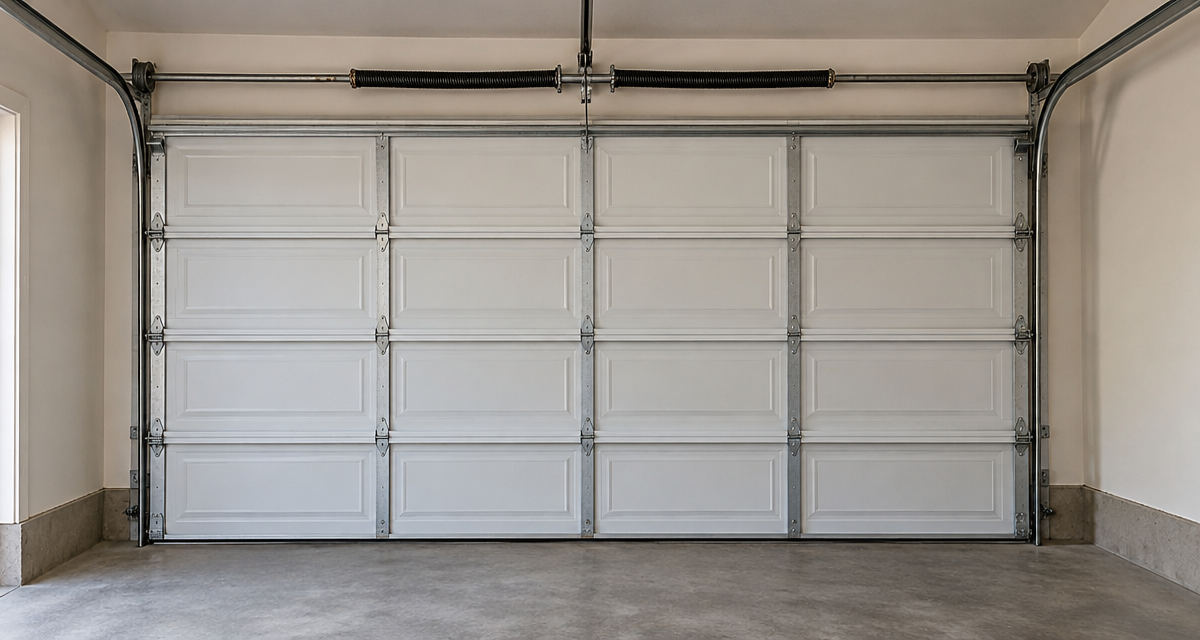
Replacing only the visibly broken part can sound sensible, but DASMA gives a specific recommendation for a door with two springs: replace both, even if one hasn’t broken. Its guidance connects that recommendation with preventing damage from the second spring breaking and keeping the door working efficiently. If your two-spring door needs a spring replacement, ask the technician to explain that recommendation as it applies to your door.
The important point is that “not broken” doesn’t mean “doesn’t need consideration.” Springs wear out, and DASMA recommends professional inspection of springs on older doors, with replacement when needed. You don’t have to decide the condition of a spring by appearance alone. Have the technician assess the system and explain the proposed work instead of treating the intact spring as automatically outside the scope of the repair conversation.
This recommendation isn’t a reason to buy parts and attempt a paired replacement yourself. The same spring-system hazards remain whether the job involves one spring or two. DASMA states that spring systems are dangerous and should be repaired only by trained professionals. Knowing what questions to ask helps you make an informed service decision, but it doesn’t make spring removal, installation, or adjustment an appropriate homeowner maintenance task.
Before approving work, ask which components need attention, whether the door has a two-spring arrangement, and how the proposed repair follows the manufacturer’s instructions. Request an explanation in ordinary language if anything is unclear. Those are practical ways to stay involved without handling hazardous parts. The goal is to understand the repair and its safety reasoning, not to supervise the job by touching cables, brackets, or springs yourself.
Does a safety cable make extension springs safe to repair yourself?
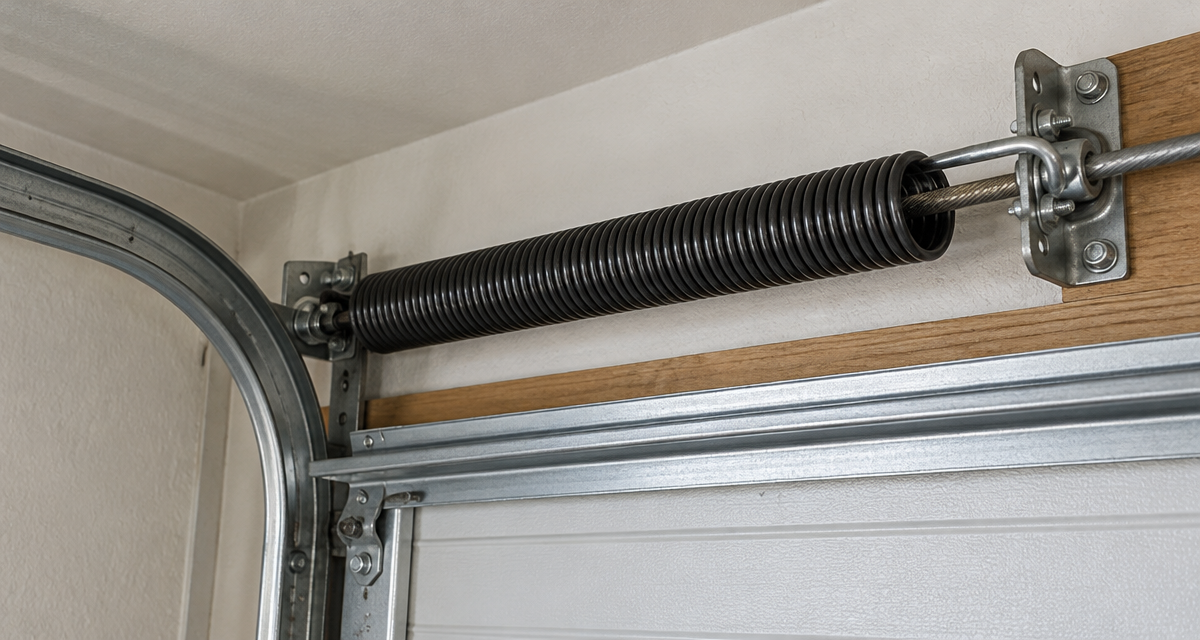
A safety cable is an important safeguard, not permission for DIY spring work. DASMA says extension-spring systems need a safety cable running through the spring and secured to the wall or ceiling at each end. If an extension spring breaks, that cable can keep the broken spring contained. Its purpose doesn’t change the warning that extension springs are under high tension when the garage door is down.
Don’t confuse that containment cable with the cables connecting the spring system to the bottom brackets. DASMA discusses both, but they serve different roles in its safety guidance. If you’re unsure what you’re looking at, don’t pull on a cable or disconnect anything to identify it. Ask a trained technician to explain your setup. If extension springs lack safety cables, DASMA recommends calling a local garage door dealer for a safety inspection.
Another common misunderstanding is that professional service eliminates the need for homeowner attention. DASMA recommends monthly safety checks and maintenance, along with an annual visit from a trained door systems technician. Follow the door and opener manuals for model-specific instructions, and keep those manuals handy. Routine attention should stay within safe, manufacturer-directed tasks, not expand into spring adjustments simply because you’re already checking other parts of the door.
For Austin-area homeowners, the useful takeaway is knowing when to stop. Observe without disturbing hardware, follow the manuals, and arrange professional help for suspected spring trouble, worn cables, or persistent operating problems. You don’t need to master spring repair to take good care of your garage door. Recognizing the boundary between routine observation and hazardous work is a practical way to protect yourself while getting the system appropriate attention.
What else do homeowners ask about this topic?
Can I tighten a garage door bottom bracket myself?
No. DASMA says bottom brackets connect to the springs and are under extreme tension. Only a trained door systems technician should adjust or loosen them.
Does every squeaky spring need replacement?
Not necessarily. DASMA says normal use can cause spring noise. Follow your manual’s maintenance instructions, and arrange professional service if the noise persists.
What should I do if a garage door cable looks frayed?
Don’t touch or attempt to replace it. DASMA warns that frayed or worn cables can break and cause injury. Stop using a door you suspect is damaged and arrange trained professional service.
How often should a garage door receive safety attention?
DASMA recommends monthly safety checks and maintenance plus an annual visit from a trained door systems technician. Use your door and opener manuals for model-specific safety instructions.
What should you remember before taking the next step?
- A closed door doesn’t make spring work safe. Leave springs, cables, and bottom brackets to trained technicians.
- Squeaking doesn’t automatically mean spring failure, but persistent noise and awkward movement deserve attention.
- For a door with two springs, DASMA recommends replacing both even if only one has broken.
- Extension-spring safety cables provide containment, not permission for DIY repairs. Follow the manuals and arrange regular professional service.

Sources and manufacturer instructions
“Springs are under high tension.”
Get help with broken spring repair
Call Springz to describe the problem, request a diagnosis and confirm current service availability in Travis and Hays Counties.