Hop Topics · 8 min read
How Can You Make Your Garage Harder to Break Into?
By Ted DeSimone
Updated
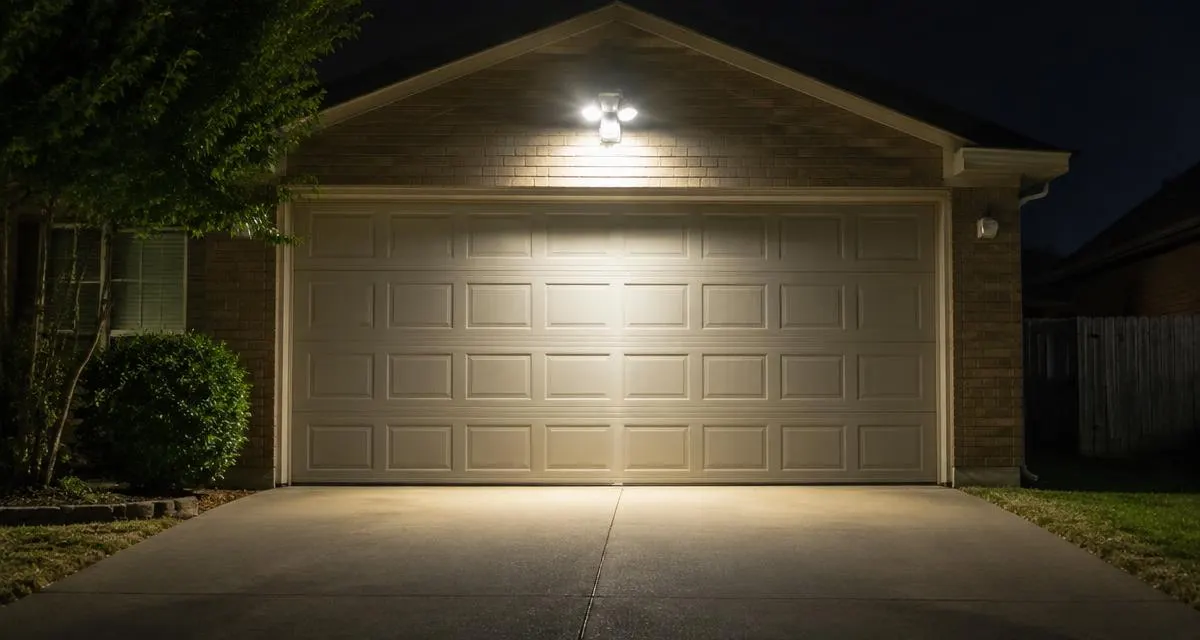
Most of us lock the front door without thinking but leave the garage to a remote and hope. Garage door security deserves the same attention, especially when the garage connects straight into the house.
This post walks through what the Travis County Sheriff's Office guide says about garage openers and entry doors, plus simple habits and features that make your garage a less tempting target.
Why is the garage often a weak spot?
The Travis County Sheriff's Office (TCSO) puts it plainly in its Safe Neighborhoods guide: automatic garage door openers are a great convenience, but they can also be a weak link in your garage security.
Think about what's in a typical garage. Cars, tools, bikes and often a door that leads straight into the kitchen or laundry room. If someone gets the big door open, they may be one interior door away from the rest of the house.
The TCSO guide also notes that burglars tend to avoid homes that take time to get into or would make a lot of noise. Every step you add to the garage makes it slower and louder to get through, which is the point.
None of this means you need to panic or spend a fortune. A few cheap changes and better habits cover most of what local law enforcement recommends for the garage.
Can someone really open a garage door with a coat hanger?
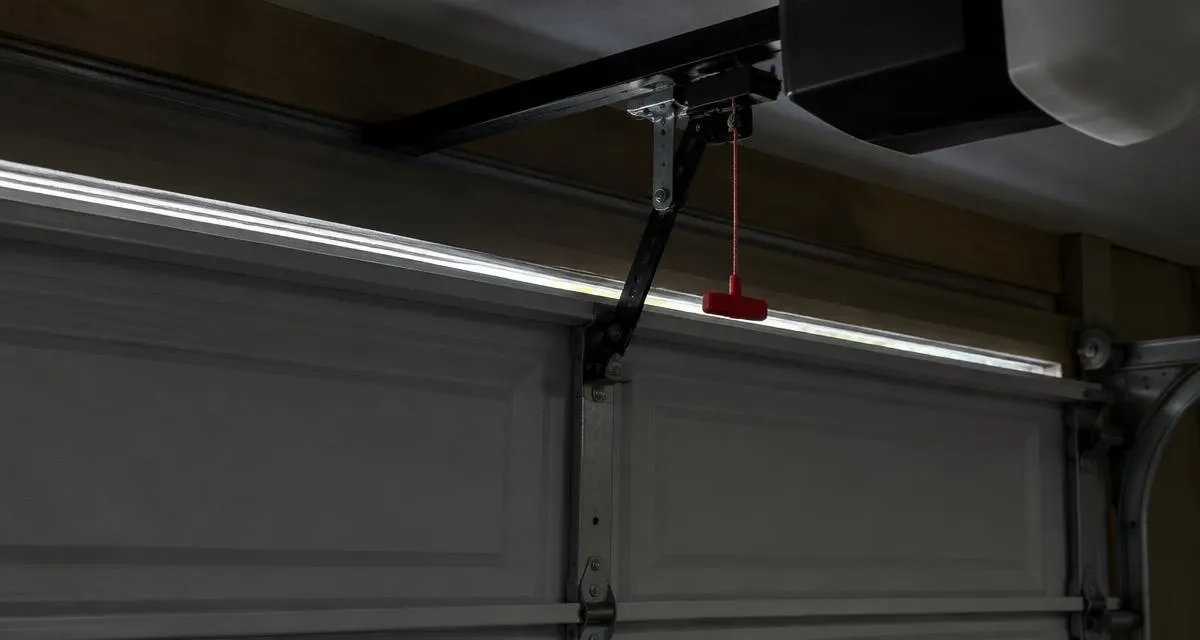
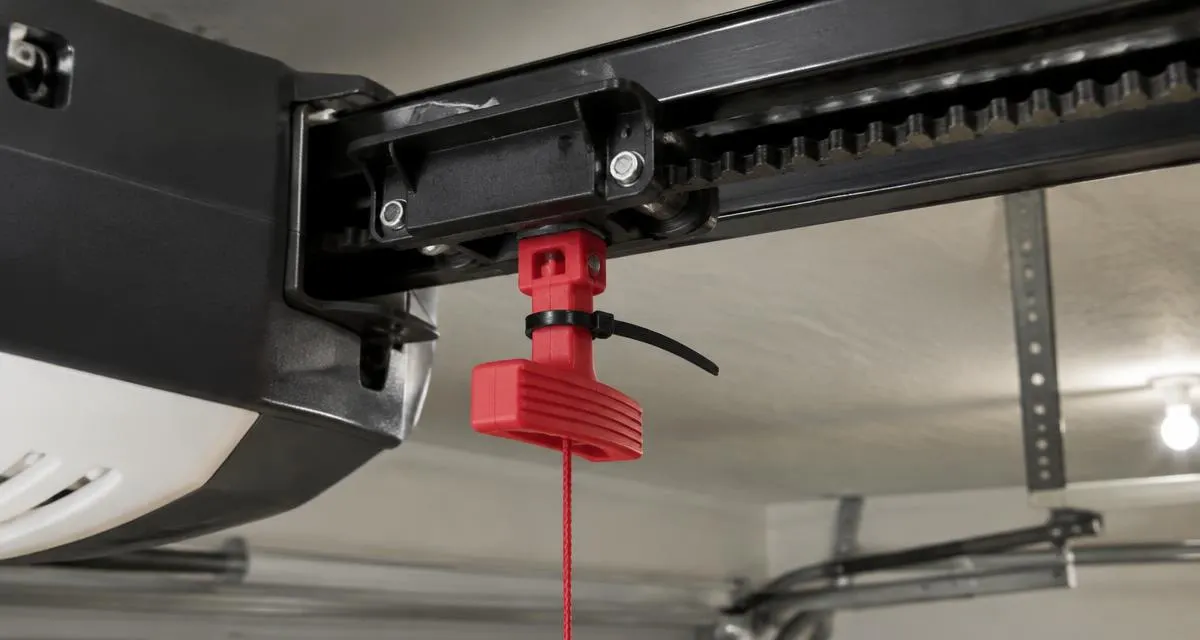
Unfortunately, yes on many setups. The TCSO guide explains that openers are required to have a safety release mechanism controlled by a grab handle. It's there so you can free the door if the opener malfunctions or traps someone.
The same guide says that release can be tripped from outside the garage with nothing more than a coat hanger. Once the release is pulled, the door is no longer held by the opener, and a thief can lift it by hand.
This mostly applies to openers with a trolley and release handle on a rail over the door. Wall-mounted openers and some newer designs work differently, so the risk and the fix depend on what you have. Check your manual for your model's release design.
Doors with windows near the top can make this easier, because someone can see the handle from outside. Frosted glass or a top row positioned higher can help with privacy, but the real fix is protecting the release itself.
Is it safe to zip-tie the emergency release?
The TCSO guide suggests an inexpensive method: use a zip tie, or two, to lock the disengaging arm on the opener. According to the guide, that stops the coat-hanger trick while the safety handle can still be yanked hard to break the ties in an emergency.
That last part is the important one. The release has to keep working for anyone who needs it from inside, including in a hurry. After you add a tie, test it yourself: with the door closed, pull the handle firmly the way you would in an emergency and confirm the tie breaks and the release works.
Some opener makers sell release shields or other approved accessories built for this exact problem. Check your manufacturer's accessories or ask a technician whether there's an approved option for your model before improvising.
Don't use wire, metal clamps or anything strong enough that a family member couldn't break it. A release that can't be pulled in an emergency trades a burglary risk for a safety risk, and that's not a good trade.
- Identify your opener’s release design in the manual.
- Ask about an approved release guard for your model.
- If you use a zip tie, test that a firm pull still releases it.
- Never use wire or metal that blocks emergency release.
How should you secure the door from the garage into the house?
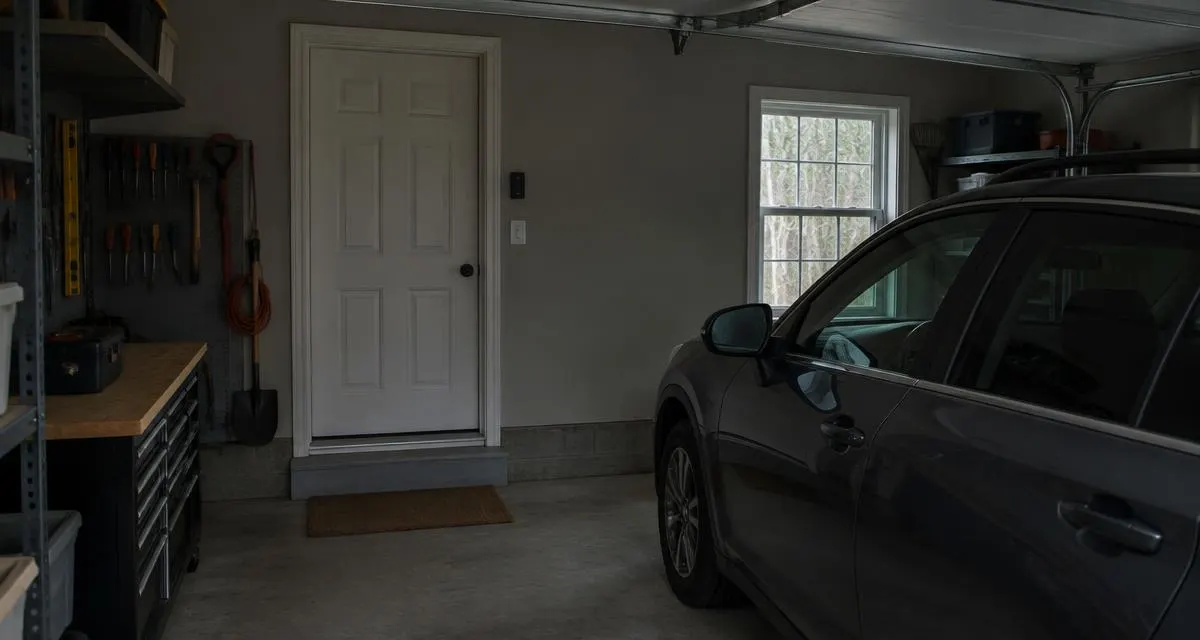
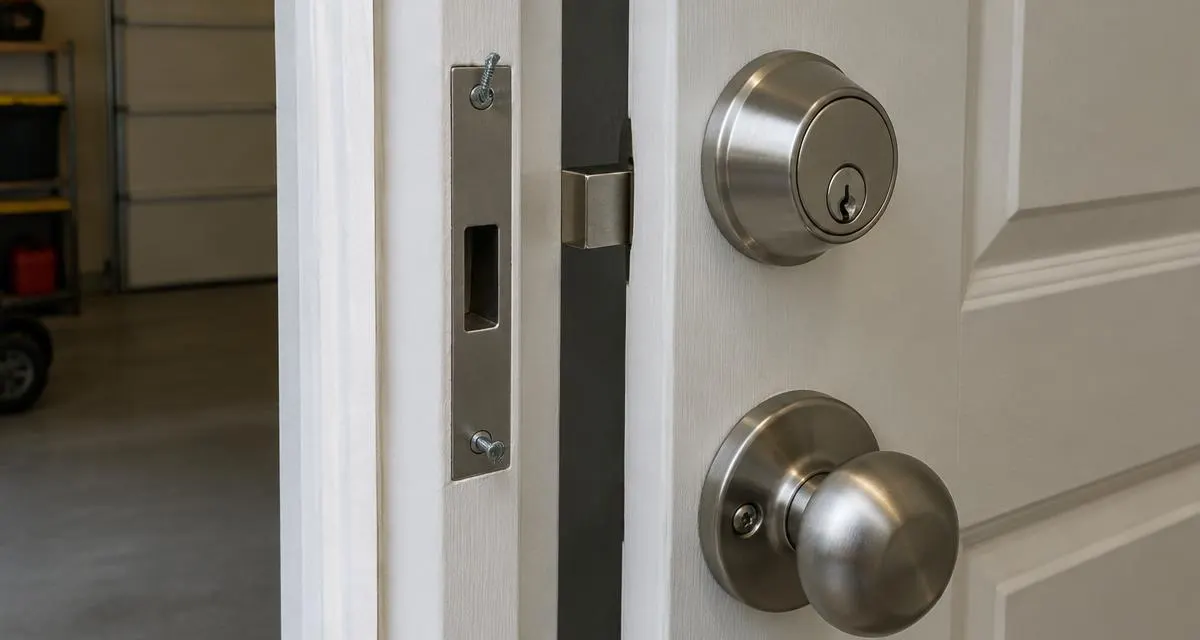
TCSO's guide says all exterior doors should be metal or solid core wood and at least 1-3/8 inches thick, because hollow core doors don't give the same security. If your garage is attached, it's smart to treat the house entry door the same way.
The guide also points out that many hinges and deadbolt strike plates are attached with half-inch screws. It recommends replacing them with 2-inch screws to reinforce the strike plate and make prying harder. It's a cheap upgrade most people can do in an afternoon.
Lock that door at night and when you're away, even if the big door is closed. It's easy to skip because it feels like an inside door, but it's really the last barrier between the garage and your living space.
Before changing locks on any door, check fire and life-safety rules. The TCSO guide notes that some lock types, like double-cylinder deadbolts, may be restricted by code, and suggests checking with your local police crime prevention officer or building code inspector first.
Where should you keep your garage remote?
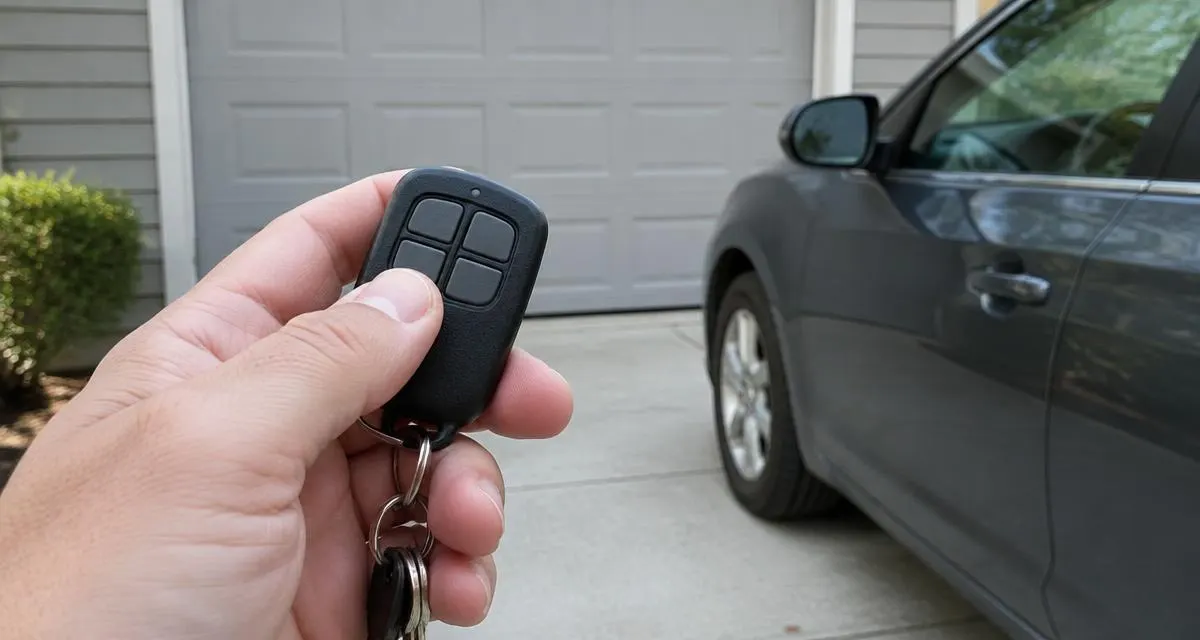
A remote clipped to the visor of a car parked in the driveway is an easy way into the garage if someone breaks into the car. Many people keep it on a keychain instead, so it goes wherever the keys go.
If you have extra remotes you don't use, put them away or remove them from the opener's memory using the steps in your manual. Fewer active remotes means fewer ways in, and it's worth doing if a remote has been lost.
CPSC also recommends keeping remotes away from children, for a different reason: kids shouldn't be able to run the door. A remote that's put away is safer for your family and harder for someone else to grab.
Keypads help too, but only with a code people can't guess. Skip obvious codes like your house number, and change the code if you've shared it with contractors or neighbors.
Do smart openers and simple habits make a difference?
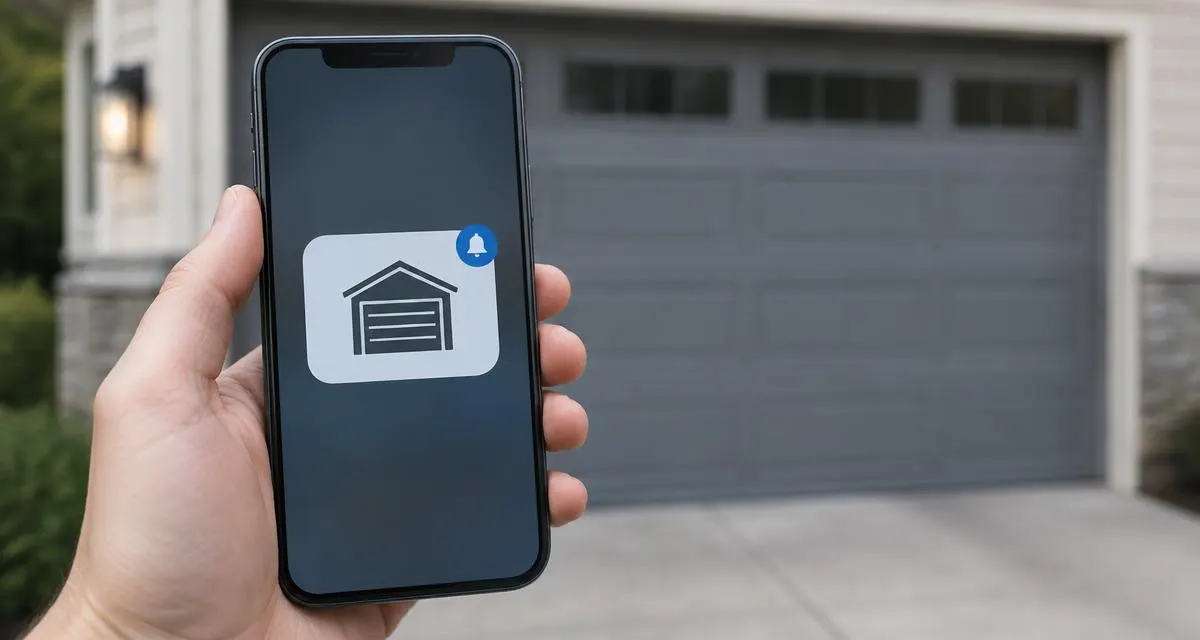
Many Wi-Fi openers can tell you when the door opens or closes and let you check its status from your phone. Chamberlain's support site, for example, notes that its Security+ 2.0 Wi-Fi openers can send obstruction notifications. Features vary a lot by brand and model, so check what yours can do.
The simplest habit is the one most often missed: close the garage door. An open garage shows everything inside and gives easy access. A quick check before bed, or an app alert if you left it open, covers a lot.
The TCSO guide's broader advice applies to the garage too. Make your home look occupied when you're away, have a trusted neighbor keep an eye on things, and don't advertise trips on social media.
Finally, keep the door and opener in good working order. A door that doesn't close fully, or an opener that's acting up, is both a safety and a security problem. Fix those issues early instead of living with them.
What else do homeowners ask about this topic?
How do burglars open garage doors with a coat hanger?
The Travis County Sheriff's Office guide says the opener's emergency release can be tripped from outside with a coat hanger, letting someone lift the door by hand.
Is zip-tying the garage door emergency release safe?
TCSO suggests it, noting a hard pull can still break the ties in an emergency. Test that it still releases, and ask about approved release guards for your model.
What kind of door should go between the garage and house?
TCSO recommends exterior doors be metal or solid core wood at least 1-3/8 inches thick, with long screws in the strike plate. Check local code before changing lock types.
Should I keep my garage remote in my car?
A remote left in a car parked outside can be used to open the garage if the car is broken into. Many people keep it on a keychain and remove lost remotes from the opener's memory.
What should you remember before taking the next step?
- Protect the emergency release from outside tripping without disabling it.
- Treat the house entry door like an exterior door, with solid construction and long screws.
- Keep remotes off the visor and clear lost ones from the opener.
- Close the garage every night and use opener alerts if you have them.
Sources and manufacturer instructions
“Springs are under high tension.”
Get help with garage door opener repair
Call Springz to describe the problem, request a diagnosis and confirm current service availability in Travis and Hays Counties.