Hop Topics · 10 min read
Can You Keep Your Existing Opener With a New Garage Door?
By Ted DeSimone
Updated
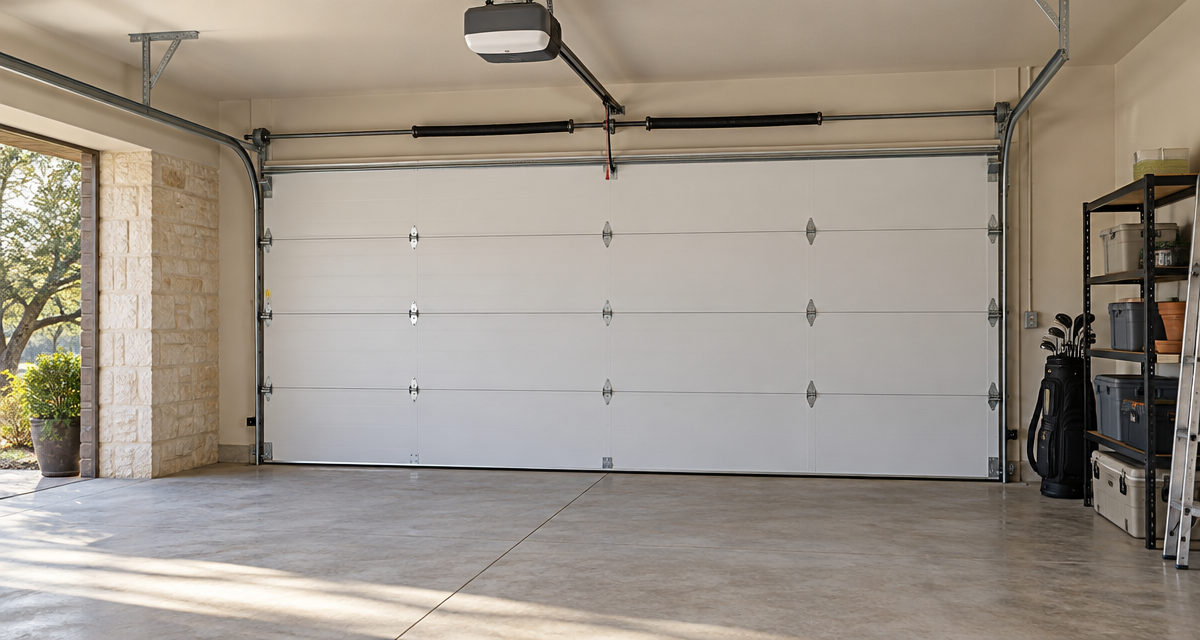
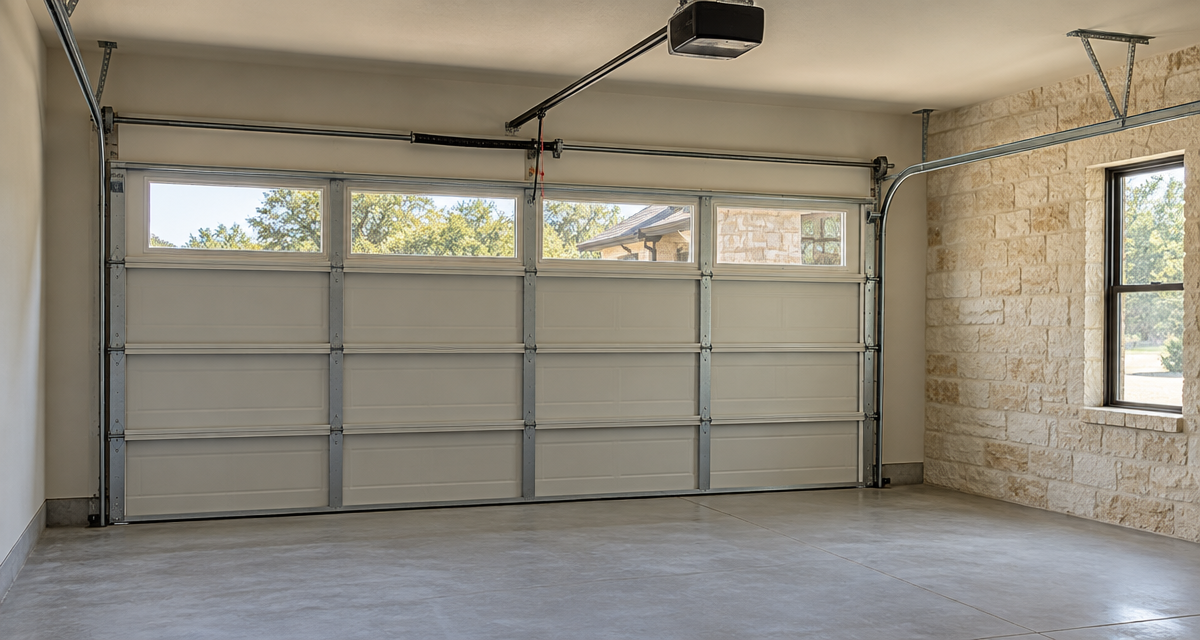
Planning a new door doesn’t automatically mean replacing your opener, but garage door opener compatibility deserves a check before you commit. The decision should account for the new door, its track and balance, the opener’s installation requirements, and its safety features.
For homeowners in Austin, Travis County, and Hays County, the practical approach is to make opener reuse part of the installation conversation early. Ask your installer to evaluate the complete system, rather than assuming an opener that runs your current door will suit its replacement.
Why do the new door and existing opener need to work as a system?
The opener is only one part of the decision. DASMA explains that openers are designed to operate doors that are properly balanced, while the door’s track and sections also work together as a system. That means a reuse decision shouldn’t rest on whether the motor still runs. Your installer needs to consider the new door’s mechanical operation and the proposed opener installation together, with the manufacturer’s instructions guiding the review.
A door that struggles to move isn’t simply asking for more motor power. According to DASMA, a door that feels heavy or requires two hands to open is probably out of balance and needs professional diagnosis. Buying a stronger opener doesn’t address that condition. If you’ve already noticed awkward movement with your current door, mention it during planning rather than treating it as a reason to choose a more powerful opener.
The track deserves the same attention as the opener. DASMA cautions that an existing track may not fit a replacement door because of section thickness, door weight, required headroom, opener location, and other considerations. Its guidance is to use track designed for the specific door. Keeping an opener and keeping the old track are separate decisions, so don’t let a discussion about reusing one turn into an assumption about reusing both.
For your project, think of compatibility as a question about the complete installation rather than a single piece of equipment. Ask the installer to explain how the proposed door, its track, and the existing opener will work together. You don’t need to diagnose the system yourself. You need a clear recommendation that accounts for the new door and its instructions, not just a demonstration that the old opener turns on.
Which manufacturer instructions should you check before agreeing to reuse?
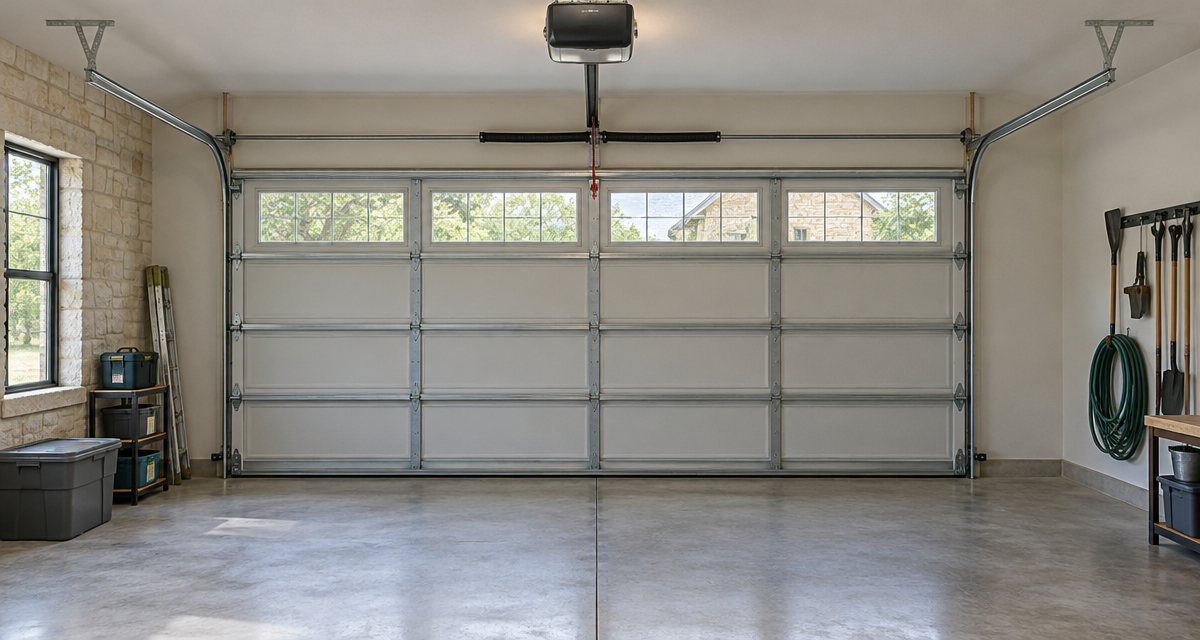
Start with the manuals for both the proposed door and the existing opener. DASMA emphasizes that every door and opener model has its own safety instructions, and its general safety tips aren’t a substitute for those documents. Gather the information you already have and share it with the installer. If a manual is missing, ask the manufacturer or installer for help identifying the correct instructions before treating reuse as a settled decision.
Ask the installer to check whether the manufacturers’ instructions support using your particular opener with the proposed door and installation arrangement. Have them explain any applicable limitations or required components rather than relying on a general statement that the opener is strong enough. If the available documents don’t resolve a compatibility question, ask for clarification from the manufacturer. It’s better to leave that question open than to fill the gap with an assumption.
Pay particular attention to the opener’s attachment to the door. DASMA warns that omitting an opener reinforcement bracket at the top section can damage the door and directs homeowners to the installation manual for specific instructions. Ask what reinforcement the new door’s installation calls for and whether it’s included in the plan. Don’t assume the attachment arrangement on your old door is automatically appropriate for the door you’re about to buy.
Keep the manuals accessible after installation, too. DASMA recommends keeping the door and opener manuals near the door for easy reference. They’ll be useful for model-specific safety checks and later service questions, not just the initial reuse decision. As a practical planning step, save the applicable instructions with your project paperwork and ask the installer to point out the sections you’ll need for ordinary operation and homeowner maintenance.
What should the installer verify about the door and its hardware?
Have the installer verify that the new door operates smoothly and is properly balanced, rather than accepting powered movement alone as proof that everything is right. DASMA notes that awkward operation during manual use may indicate an out-of-balance spring system and can cause premature wear on other important components. This is a professional assessment to include in the installation, not an invitation to disconnect, lift, or adjust an unfamiliar door yourself.
Ask the installer to confirm that the track is designed for the new door and that the planned arrangement accounts for the available headroom and opener location. Those are among the considerations DASMA identifies when warning against assuming old track will fit. A useful question is, “What needs to change around the opener even if we keep the opener itself?” That keeps the discussion focused on the actual installation rather than a simple keep-or-replace label.
The spring system and cables also deserve professional attention, particularly when the project involves existing components. DASMA recommends professional inspection of older springs and replacement when needed. It also says worn or frayed cables can break and should be replaced only by a trained technician because of high spring tension. Ask the installer to identify any concerns and explain the proposed work. Don’t attempt to correct wear or spring balance yourself.
Finally, have the installer confirm that the opener attachment and any required reinforcement follow the relevant instructions. Bottom brackets aren’t ordinary adjustment points: DASMA explains that they connect to the springs and are under extreme tension. We recommend reaching out to a garage door professional for installation, spring-system work, or bracket adjustments because these tasks can be very dangerous if done incorrectly. Your role is to request verification, not to make the adjustments.
Which opener safety features need verification before reuse?
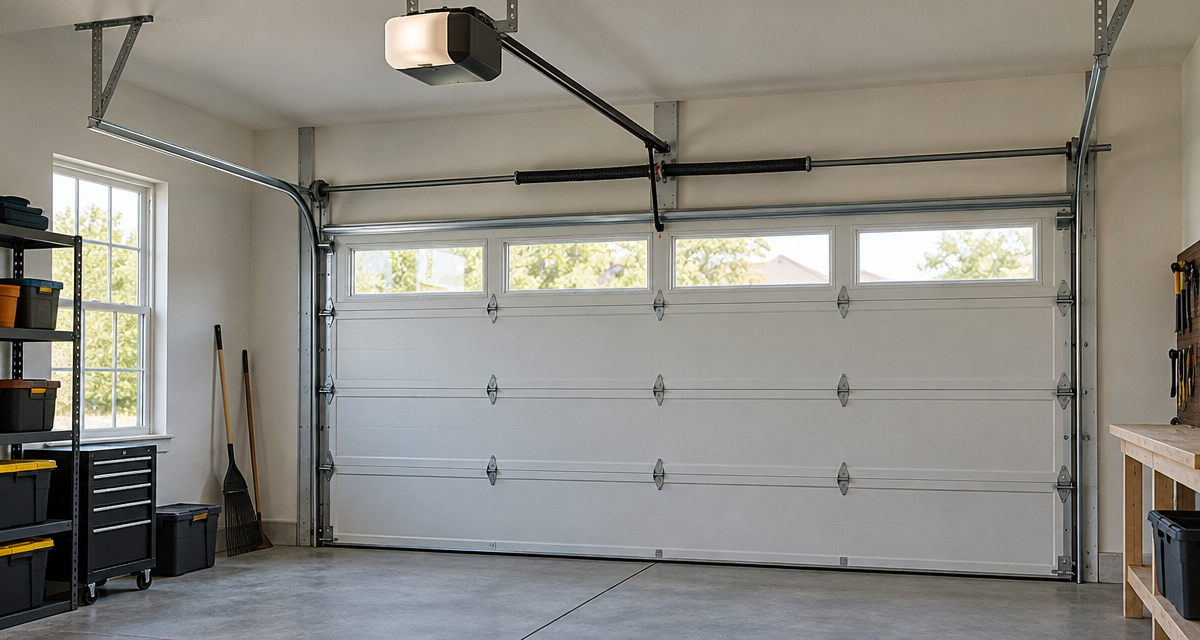
An opener that moves the door still needs its safety features evaluated. DASMA states that openers are designed to reverse when a descending door meets an obstruction. If the door doesn’t reverse readily, the sensitivity adjustment may be improper and the situation can be dangerous. Ask your installer to verify reversing operation using the model’s instructions as part of the completed installation. Don’t use successful opening and closing as the only acceptance check.
Secondary safety reversal is another important decision point. DASMA says that an opener without a secondary reversing feature, such as photoelectric eyes, should be replaced. That’s a specific reason not to keep an existing opener simply because it still runs. During the planning visit, ask the installer to identify the opener’s safety reversing features and explain whether anything about the existing equipment prevents a recommendation to reuse it with your new door.
Photoelectric eyes also need correct placement. DASMA says they should be installed no higher than six inches above the garage floor because a person or pet could otherwise pass beneath the beam without detection. Have the installer verify their location and operation against the instructions. If sensitivity or other safety adjustments are needed, we recommend reaching out to a garage door professional because incorrect adjustment can be very dangerous.
Include the controls in the safety review, not just the motor and sensors. DASMA says the wall push button should be at least five feet above the floor or any adjacent walking surface and out of children’s reach. Remote controls should also be kept away from children. After installation, always watch the door until it closes completely. Keeping an existing opener doesn’t change that everyday responsibility for anyone using the garage.
How can you make a clear keep-or-replace decision?
Before you approve the project, ask for a recommendation that distinguishes confirmed findings from unanswered questions. A practical reuse discussion should cover the applicable manuals, track and door arrangement, balance, attachment reinforcement, and safety features. If something still needs manufacturer clarification or an on-site assessment, keep the decision provisional. You’re not asking for a blanket promise about old equipment. You’re asking whether the proposed installation supports keeping this particular opener.
Make sure the proposed work clearly separates what stays from what changes. Keeping the opener shouldn’t leave you guessing about the track, reinforcement, or other door-system components. As common-sense project planning, ask for those choices to be written down with the work description. That gives you and the installer a shared reference and makes it easier to understand why the final recommendation may involve more than simply reconnecting the old opener.
At completion, ask the installer to walk you through normal operation, the verified safety features, and the homeowner checks described in the manuals. DASMA recommends monthly safety checks and maintenance, along with an annual visit from a trained door systems technician. Follow the model-specific guidance rather than improvising tests or adjustments. If the door later develops awkward movement or fails to reverse properly, reach out to a professional instead of trying to compensate with opener adjustments.
The goal isn’t to replace a working opener unnecessarily or to keep it at all costs. It’s to pair the new door with an opener installation that follows manufacturer guidance and has been professionally evaluated. For your Austin, Travis County, or Hays County project, bring up reuse before settling the installation plan. A clear conversation about the whole system will give you a better basis for deciding what should stay and what needs to change.
- Gather the existing opener information and applicable manuals.
- Ask the installer to review the proposed door and complete system.
- Clarify which components stay and which will be replaced.
- Request a final walkthrough of operation, safety features, and maintenance guidance.
What else do homeowners ask about this topic?
Does a new garage door always require a new opener?
Not automatically. Have an installer review the manufacturer’s instructions, the new door’s operation, the attachment requirements, and the opener’s safety features before deciding whether to reuse it.
Will a stronger opener fix a heavy garage door?
No. DASMA says a heavy door is probably out of balance and needs professional diagnosis. Openers are designed to operate properly balanced doors.
Can I keep the old track if I keep my opener?
Don’t assume so. DASMA recommends track designed for the specific door. Section thickness, door weight, headroom, and opener location can affect whether the existing track fits.
What if my opener doesn’t have a secondary safety reversing feature?
DASMA recommends replacing an opener that lacks a secondary safety reversing feature, such as photoelectric eyes. Ask your installer to identify and evaluate the existing safety features.
What should you remember before taking the next step?
- Decide opener reuse by evaluating the complete door system, not just whether the motor runs.
- Check both manufacturers’ instructions and confirm the new door’s reinforcement requirements.
- Have a professional verify balance, smooth movement, track suitability, and safety reversal.
- Treat missing secondary safety reversal as a reason to replace the opener, not overlook the issue.
Sources and manufacturer instructions
“Springs are under high tension.”
Get help with new garage door installation
Call Springz to describe the problem, request a diagnosis and confirm current service availability in Travis and Hays Counties.