
How-To Guides · 10 min read
How to Check Garage Door Cables Without Touching Them
By Ted DeSimone
Updated
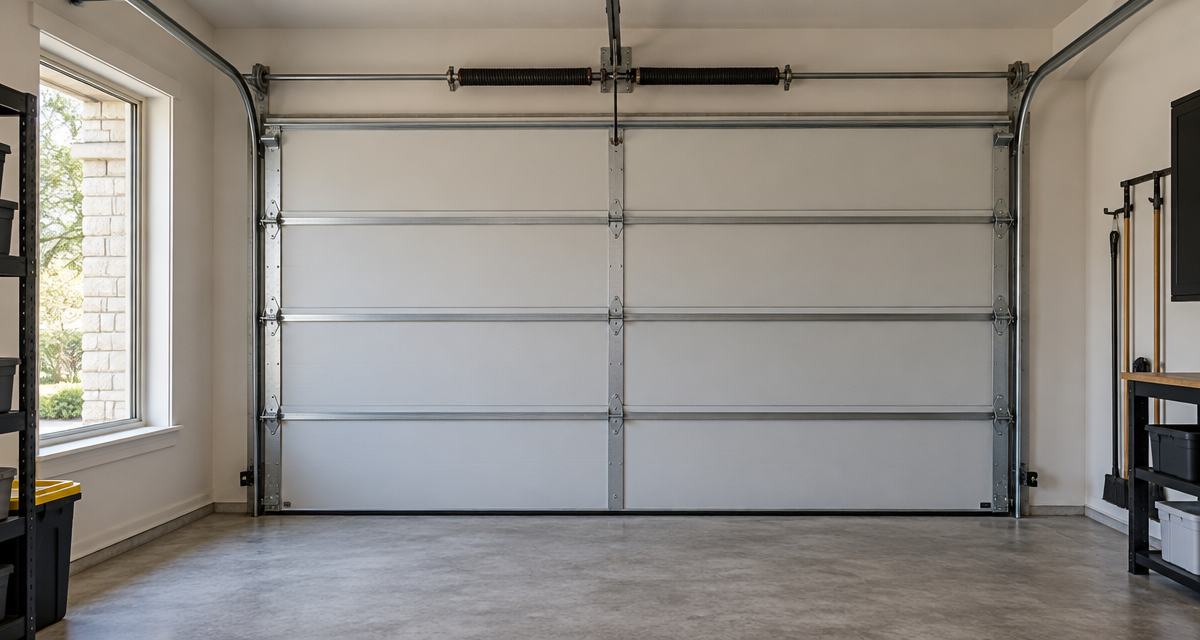
A garage door cable inspection should be a look-only check. If you notice fraying, suspected corrosion, or a cable hanging loose, stop using the door and contact a garage door professional. Don’t touch the cable or try another opening cycle to see what happens.
For homeowners in Austin, Travis County, and Hays County, the goal is simple: spot visible concerns without getting close to tensioned hardware. This guide focuses on cable condition, not spring diagnosis, adjustments, or a general maintenance checklist.
How do you begin a cable inspection from a safe distance?
Start by making sure no one will operate the door while you’re looking. Keep children, pets, and other household members away from the doorway, and leave the controls alone. Inspect only from a clear standing position outside the door’s travel path, without reaching toward its hardware. If the door is already open or partly open, don’t walk underneath it or reposition it just to improve your view.
Identify the cables you can see along both sides of the door. DASMA describes these as the cables connecting the spring system to the bottom brackets. Your task is to observe their visible condition, not trace every connection with your hands. If you’re unsure which components you’re looking at, consult your manufacturer’s manual from a safe location or ask a professional to identify them during an inspection.
Use available lighting, or a flashlight from your standing position, to make the visible cable easier to see. A phone’s zoom may help you record a concern without approaching it, but don’t reach the phone behind hardware or underneath the door. Skip any area that requires climbing, leaning into the mechanism, or moving stored items beside questionable hardware. An incomplete visual check is better than an unsafe closer look.
Set a firm boundary before you start: this check ends with an observation, not a repair or a declaration that the door is safe. DASMA recommends visual cable inspection and directs homeowners to their model’s safety instructions. A cable that looks unremarkable from where you stand may still have areas you can’t assess. Record those limitations instead of operating the door to bring another section into view.
- Keep everyone away from the door and its controls.
- Stand clear of the door’s travel path without reaching toward hardware.
- Look at the visible cables on both sides.
- Stop if you see damage or can’t inspect without moving closer.
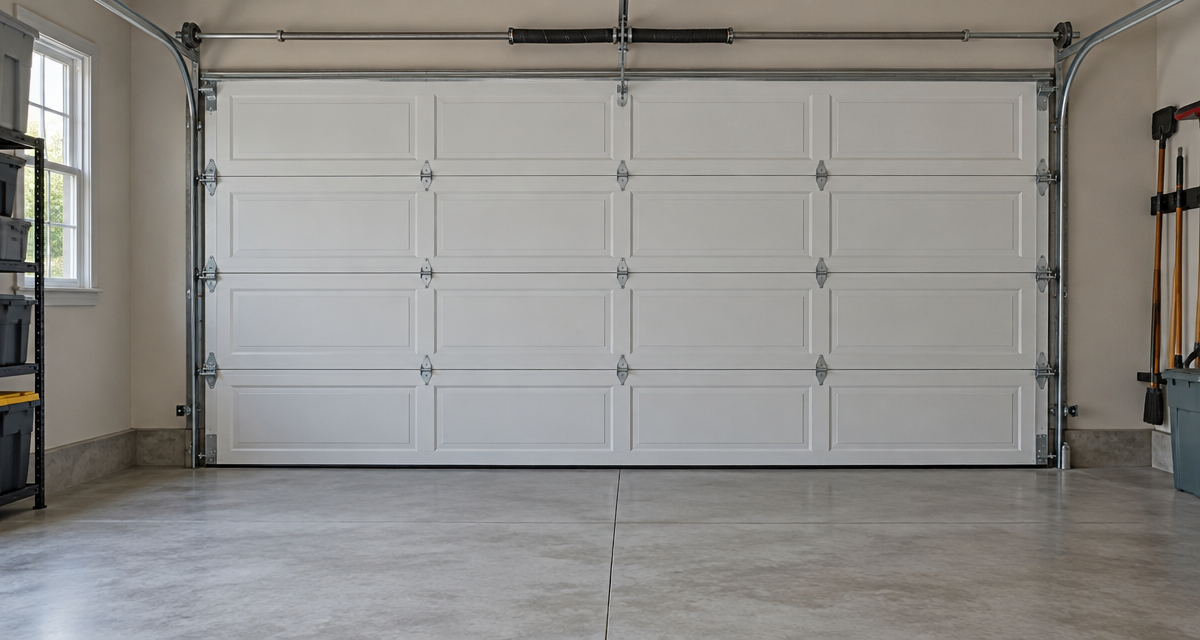
What should you look for when checking for fraying?
Look for anything that appears to be a wire strand sticking away from the cable, a visibly ragged area, or an uneven section that you can’t confidently identify. Treat these as observations to report, not an invitation to examine the cable by hand. Don’t run your fingers, a cloth, or a tool along it. You don’t need to confirm how many strands are affected before deciding to stop.
DASMA’s guidance is direct: frayed or worn cables are in danger of breaking, which can cause injury. That makes visible fraying a reason to stop using the door, not something to watch while continuing your normal routine. Don’t open and close the door to see whether the affected spot changes. A look-only inspection has already done its job when it reveals a condition that needs professional attention.
Check the visible cable on each side separately rather than assuming one side tells you about the other. Note whether the concern appears near the lower attachment, farther up the visible cable, or somewhere you can’t clearly describe. There’s no need to approach the bottom bracket for a more precise location. A plain description such as 'ragged-looking cable on the left when viewed from inside' is useful without requiring contact.
If lighting or distance makes it hard to distinguish a loose strand from something nearby, leave the uncertainty unresolved. Don’t brush away debris, pull at a strand, or bend the cable to improve the view. We recommend reaching out to a garage door professional for assessment and any replacement. Cable work involves the dangers associated with high spring tension and can be very dangerous if done incorrectly.
How should you handle rust-like discoloration or suspected corrosion?
As you look along the visible cable, note any rust-colored patches or areas that appear corroded. Keep the description cautious: a distant visual check may show discoloration without establishing exactly what it is or how much of the cable is affected. You’re looking for a reason to request an assessment, not trying to determine the cable’s remaining strength. Don’t move closer or touch the surface to settle that question.
The supplied DASMA guidance warns about frayed and worn cables, but it doesn’t provide a homeowner test or an acceptable corrosion threshold. That means there isn’t a source-backed rule here for deciding that a particular amount of rust is harmless. As a cautious next step, stop using the door when you suspect cable corrosion and have a garage door professional evaluate it before you resume normal operation.
Don’t scrape, sand, wipe, or apply a product to a questionable cable as part of this inspection. Those actions turn a visual check into hands-on work and aren’t necessary to report what you’ve noticed. Leave the area as you found it. If you can take a photograph without approaching the hardware, save it for the service conversation, while recognizing that a photo isn’t a substitute for an in-person assessment.
For an Austin-area home, keep the report specific to the visible condition rather than assigning a cause to local weather. Say which side has the discoloration, where it appears within your existing view, and whether you also noticed fraying or a loose section. You don’t need to explain why it happened. The useful next step is a professional inspection, not an unsupported conclusion about climate, cable age, or repair needs.
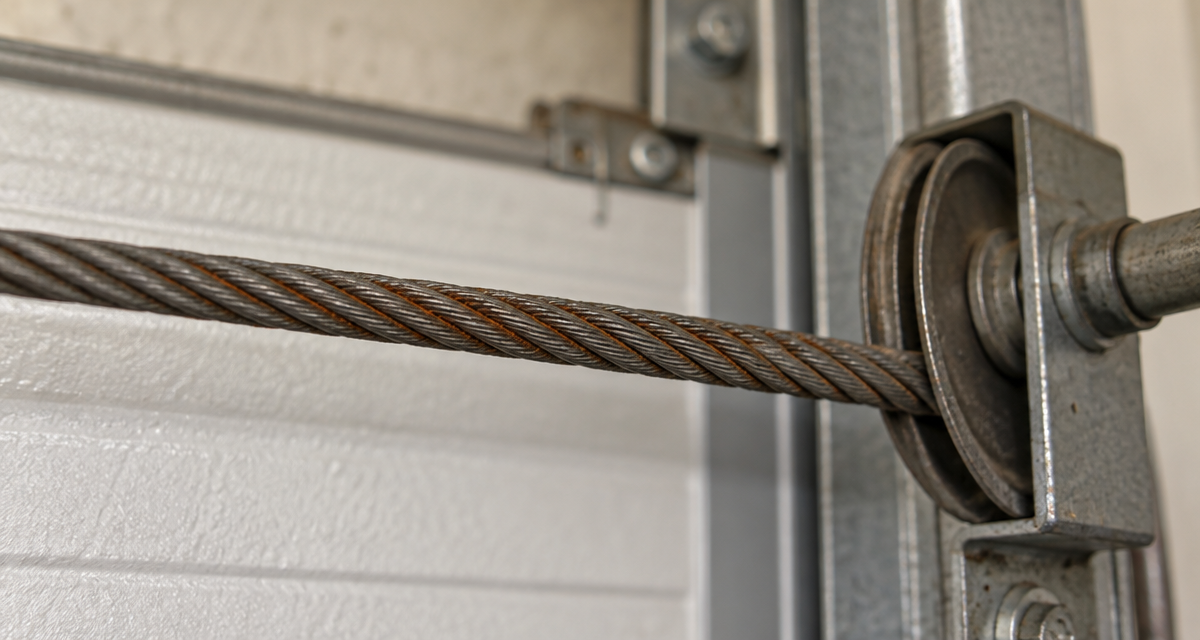
What should you do if a cable is hanging loose?
If you see a cable dangling, forming an obvious loose loop, or hanging away from where you expected it to be, end the inspection and stop using the door. Don’t press the opener button to see whether the cable pulls back into place. You don’t need to establish why it looks loose before taking that precaution. Keep everyone clear and describe the visible condition to a garage door professional.
Never tug on the cable, try to tighten it, disconnect it, or attempt to put it back onto nearby hardware. Leave the bottom brackets untouched as well. DASMA explains that these brackets connect to the door’s springs and are under extreme tension. We recommend reaching out to a garage door professional for any correction because cable or bottom-bracket work can be very dangerous if done incorrectly, even when something appears loose.
Leave the door in its existing position rather than trying to close it for security or open it to retrieve a vehicle. Don’t pull the emergency release or attempt a manual movement as a cable test. If the door is open or partly open, keep people away from the opening and use another entrance if one is available. Explain the door’s current position when requesting help so the professional understands the situation.
A useful service report separates what you observed from what you don’t know. For example, report that a cable is hanging on one side and the door is partly open, without declaring that a particular component caused it. If the door had already moved awkwardly before you noticed the cable, mention that history. Don’t reproduce the movement for a video or perform another cycle to give a more complete account.
When should you stop using the door and call a professional?
Stop using the door when you notice fraying, visible wear, suspected corrosion, or a cable hanging loose. Also stop the inspection if getting a better look would require contact, climbing, or entering the door’s path. These are conservative homeowner decision points, not a technical grading system. The purpose is to keep a visual check from becoming an improvised repair, especially when the condition can’t be confidently understood from a distance.
Tell everyone who might use the garage that the door should stay out of use until it’s assessed. Keep remotes out of casual reach, and arrange another entrance or parking location where practical. Don’t send someone else closer to verify your findings. When contacting a professional, explain that you have a cable-condition concern and that you haven’t attempted an adjustment. Ask how to keep the area clear while waiting for service.
For homeowners in Austin, Travis County, or Hays County, Springz Garage Doors is a contact option for requesting a professional cable inspection. Share the side involved, the door’s current position, and whether you saw separated strands, discoloration, or a hanging cable. Provide photos only if you already obtained them safely. Don’t operate the door, touch hardware, or go underneath it to satisfy a request for a different view.
If you don’t see a concern, remember that the result is limited to the cable surfaces visible from your safe position. DASMA recommends monthly garage door safety checks and an annual visit from a trained door systems technician; a cable-only look doesn’t replace either broader guidance or your manufacturer’s instructions. Keep any notes for future reference, but don’t use a previous clear-looking inspection to dismiss a new visible problem.
What else do homeowners ask about this topic?
Should I open the garage door to inspect more of the cable?
No. For this look-only check, inspect only what’s visible with the door stationary in its existing position. Don’t move it to expose hidden cable sections, especially if you already suspect damage.
Can I keep using the door if only one cable looks frayed?
Stop using it and request a professional inspection. DASMA warns that frayed or worn cables are in danger of breaking and causing injury; one visible concern is enough to end your check.
Does a rust-colored spot prove the cable needs replacement?
A distant visual check can’t establish that. The supplied guidance gives no acceptable corrosion threshold, so leave the cable untouched and stop using the door pending professional assessment if you suspect corrosion.
Can I put a loose cable back in place myself?
No. Never touch, tighten, disconnect, or attempt to reseat it or its bottom bracket. We recommend a garage door professional because this work can be very dangerous if done incorrectly.
What should you remember before taking the next step?
- Inspect visible cables on both sides from a safe distance with the door stationary.
- Stop using the door for fraying, visible wear, suspected corrosion, or a hanging cable.
- Never touch or adjust cables, bottom brackets, or springs, and don’t test-cycle a questionable door.
- Report what you can safely observe and leave diagnosis and repairs to a garage door professional.
Sources and manufacturer instructions
“Springs are under high tension.”
Get help with garage door cable repair
Call Springz to describe the problem, request a diagnosis and confirm current service availability in Travis and Hays Counties.