
How-To Guides · 10 min read
How to Use a Garage Door Monthly Checklist Safely
By Ted DeSimone
Updated
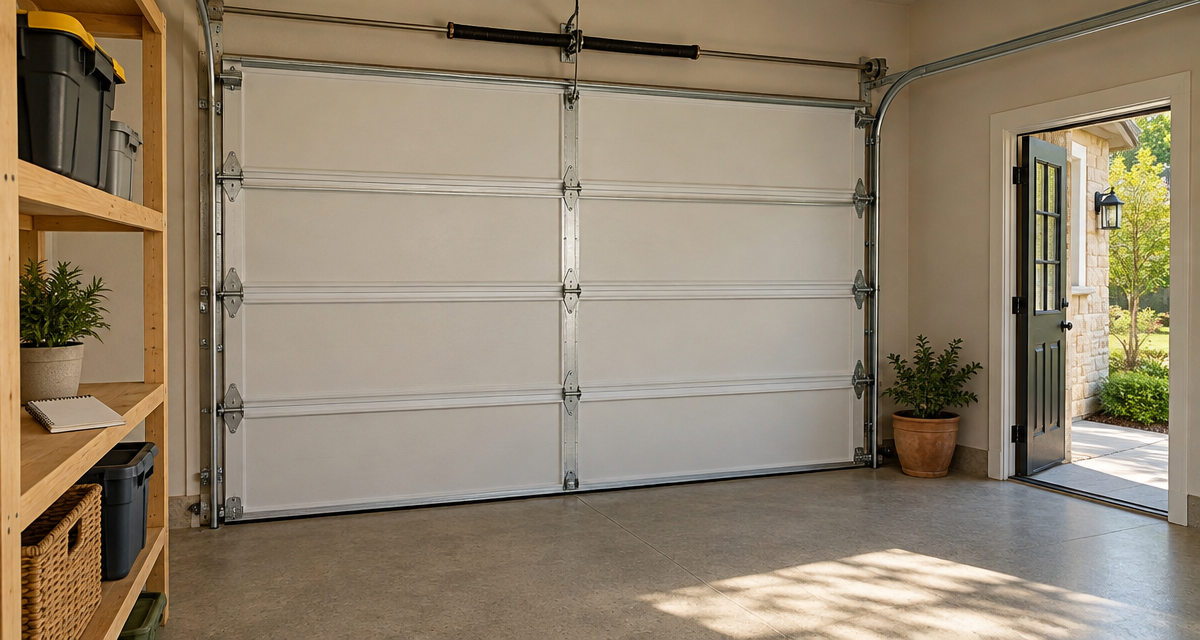
A garage door monthly checklist should help you notice trouble, not put you next to dangerous hardware with a wrench. Start with a hands-off visual check, then watch and listen during normal operation only if you haven't spotted a reason to stop.
For homeowners in Austin, Travis County, and Hays County, this is a simple observation routine, not a repair guide. DASMA recommends monthly safety checks and maintenance, along with an annual visit from a trained door systems technician. Your door and opener manuals remain the guide for model-specific instructions.
How do you prepare for a hands-off monthly check?
Begin with the owner's manuals for both the garage door and its opener. DASMA notes that every model has specific safety instructions, so a general checklist shouldn't replace those directions. Keep the manuals somewhere convenient for future checks. If you can't find yours, make locating the correct instructions your first task rather than borrowing a procedure for a different door or opener that may not match your equipment.
Choose a time when nobody needs to drive through the garage or use the doorway. Keep children and pets away while you observe, and move ordinary stored items out of your standing area without reaching into the mechanism. You should be able to see the door from a safe position on the floor. If a useful view requires a ladder, awkward reach, or contact with hardware, leave that view to a technician.
For this routine, leave the toolbox put away. A notebook or phone can help you record observations, but neither needs to go close to moving parts. The goal is to notice visible damage, changes in movement, and unfamiliar sounds. It isn't to tighten fasteners, adjust spring tension, or prove that a questionable part still works. Set that boundary before you begin so a quick check doesn't turn into an improvised repair.
Start by observing the door in its current position without moving it just to improve your view. If it's already closed, leave it closed for the initial visual check. If it's open and something looks damaged, don't operate it simply to complete the checklist. Keep people away from the area and ask a trained technician how to proceed. An incomplete check is preferable to operating a door you're concerned about.
- Find the door and opener manuals.
- Keep people and pets away from the work area.
- Choose a clear viewing position on the floor.
- Leave tools, ladders, and hardware alone.
What should you look at without touching the hardware?
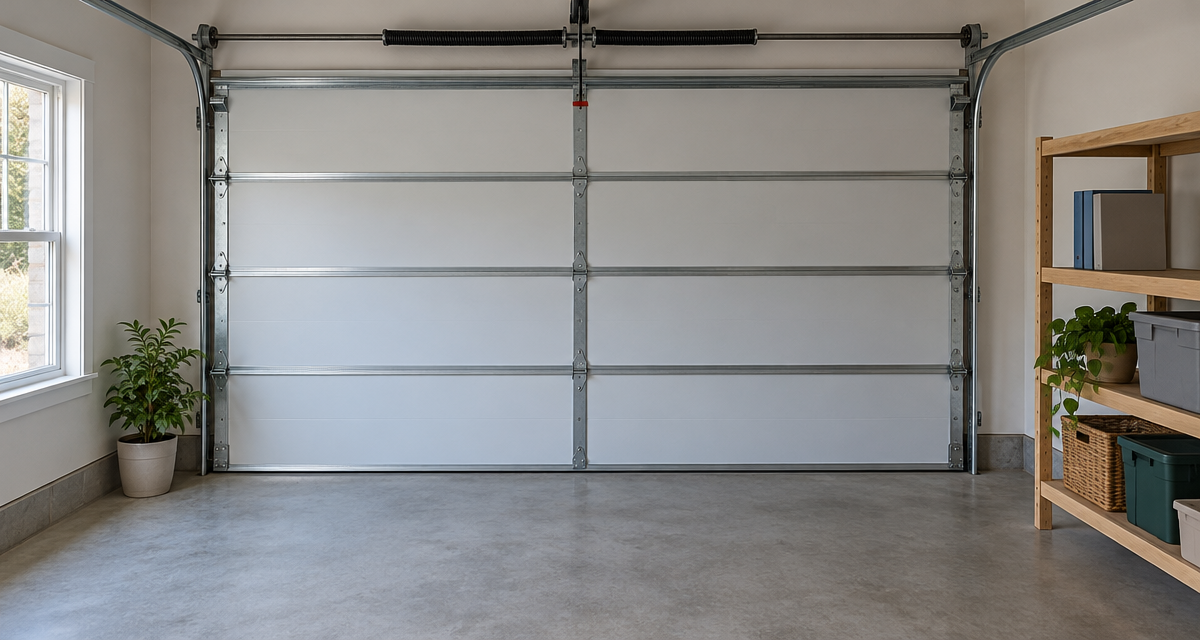
From a safe floor-level position, look at the visible cables along both sides of the door. DASMA identifies these as the cables connecting the spring system to the bottom brackets and advises checking for fraying or wear. You're looking, not feeling: don't run a finger along a cable, tug it, or move anything aside to expose it. If you see damage, stop the routine before any operating check and arrange professional attention.
Next, notice the bottom brackets without approaching them for a closer inspection. DASMA explains that these brackets connect to the springs and are under extreme tension. That makes an apparently simple loose-fastener job inappropriate for this homeowner routine. If something at a lower corner looks damaged or different from before, describe what you can see to a technician. Don't use a wrench, screwdriver, or your hands to investigate the connection.
If your door has extension springs, DASMA says a safety cable should run through each spring and secure to the wall or ceiling at its ends. Only note what is visible from your safe position. Don't climb up, touch a spring, or trace a cable with your hand. If you know the door has extension springs but don't see safety cables, call a door professional for a safety inspection rather than trying to install them.
Finish the visual pass by looking at the door sections and whatever surrounding hardware you can comfortably see. Record anything that appears damaged or has changed since your last check, without assigning it a cause. A homeowner's useful observation might be that a lower corner looks different, not that a particular component needs adjustment. If visibility is poor or you're unsure what you're seeing, record that uncertainty and leave the assessment to a technician.
How do you safely watch and listen during operation?
Only move on to an operating observation if the visual check hasn't raised a concern and your manuals allow you to proceed. For an opener-equipped door, use its normal control according to the manufacturer's instructions. Stand outside the door's travel path, with everyone else clear of the opening. Don't stand underneath the door to listen, follow it closely as it moves, or reach toward a part that seems to be making noise.
Watch whether the door travels smoothly as it opens and closes normally. DASMA warns that a door that doesn't move smoothly may present an unsafe condition, even if it's an older system. If the movement looks awkward or the door appears to struggle, don't keep cycling it to see whether it improves. End the operating check, keep others from using the door, and contact a trained technician about what you observed.
Listen from the same safe position and describe sounds plainly rather than trying to diagnose them. Useful notes include whether a sound occurred during opening or closing and roughly where it seemed to come from. DASMA says springs can squeak from normal use, so a squeak alone doesn't necessarily identify a problem. That doesn't mean you should approach the spring or dismiss a sound that occurs alongside visibly rough movement.
This guide doesn't ask you to disconnect the opener or manually test a door that seems to struggle. DASMA discusses balance concerns when awkward movement continues during manual operation, but spring-system repairs belong to trained professionals. Leave further troubleshooting to them rather than adding a manual test to this observation routine. If you normally operate a manual door, follow its instructions and use designated handles or safe gripping points, never the joints between sections.
What should make you stop and call a technician?
Visible cable fraying or wear is a clear reason to stop. DASMA warns that worn cables can break and cause injury, and says cable replacement should be performed only by a trained technician because of the associated spring tension. Don't test the cable by pulling it or operate the door to see whether it holds. Keep people clear and explain the visible condition when you contact a professional for guidance.
Struggling or uneven movement also deserves professional attention rather than a homeowner adjustment. DASMA says an out-of-balance spring system can contribute to premature wear on other important components, but an observation alone doesn't establish that diagnosis. Tell the technician what happened instead of deciding which spring needs work. Don't change opener settings to try to push through the difficulty, and don't loosen hardware in an attempt to help the door move.
Treat questions about springs and bottom brackets as professional matters, even when the apparent issue looks small. DASMA advises having older door springs inspected by a professional and replaced if needed; it doesn't give an age cutoff in the supplied guidance. Don't invent your own deadline based on appearance alone. If you don't know the springs' condition or history, ask for an inspection rather than making an assumption that they're safe or due for replacement.
When you call, give a short account of the observation: where you saw the concern, whether the door was stationary or moving, and whether you stopped using it. Mention any uncertainty about extension-spring safety cables as well. You don't need to supply a technical diagnosis or move the door again for a demonstration. Ask what precautions to take while waiting, especially if the door is open or blocks an entrance you normally use.
- End the check when you notice damage or struggling movement.
- Keep others from operating the door.
- Write down what you observed without diagnosing it.
- Contact a trained door systems technician for guidance.
How do you record the check and plan the next one?
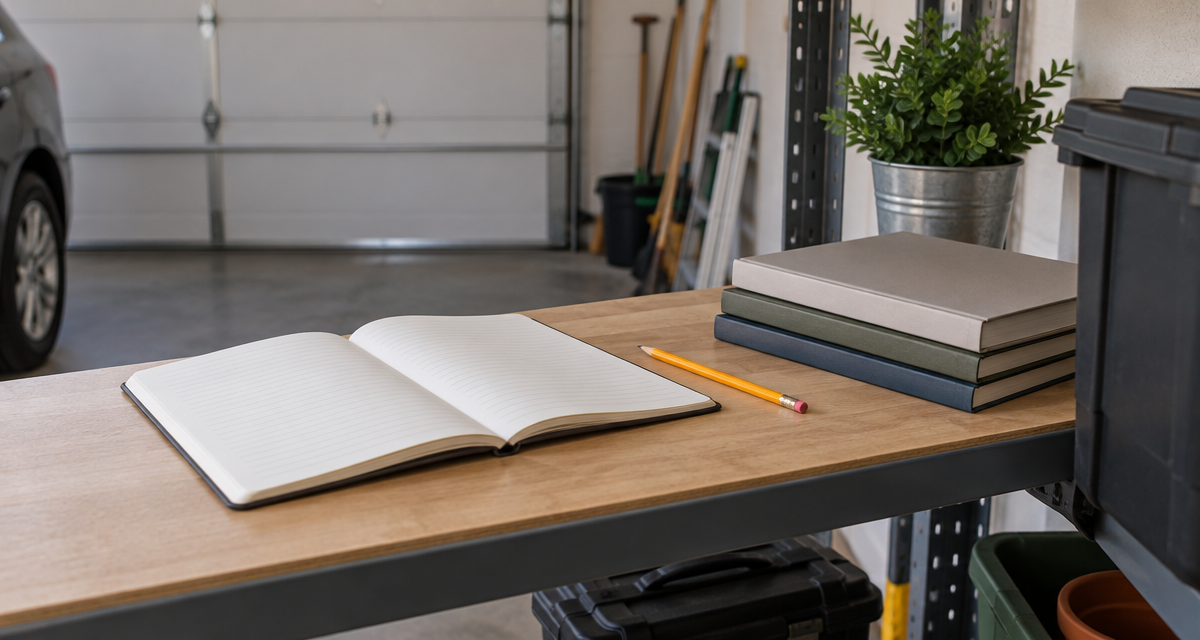
Keep a short record using the same categories each month: visible condition, movement, sound, and follow-up. Write only what you actually observed. If you couldn't see a cable clearly, say that instead of marking it as fine. If you skipped operation because of a concern, record the reason. This creates a useful reference without turning a homeowner's visual check into a claim that the entire garage door system has been inspected.
Use the previous entry as a reminder, not as proof that today's door is safe. Parts can wear out and break over time, which is why DASMA recommends regular attention. Compare observations without repeatedly running the door to recreate an old sound. A simple note that movement seems different from last month gives you something concrete to discuss with a technician while keeping the check focused on safe observation rather than troubleshooting.
Keep this look-and-listen routine separate from maintenance or safety procedures specified in your manuals. It doesn't replace those instructions, and it isn't a comprehensive test of the door or opener. Although DASMA discusses garage-door lubricant for squeaky springs, this particular routine deliberately excludes work around springs and cables. If maintenance would put you close to those components, ask a trained technician to handle it rather than expanding your monthly check.
Finally, plan for the annual visit from a trained door systems technician recommended by DASMA. Share your notes, including anything you couldn't inspect safely and any change you've noticed. Monthly observations and professional service serve different purposes: your routine helps you notice concerns, while the technician can assess issues beyond a hands-off check. Don't wait for the annual appointment when you see cable damage or the door begins struggling during normal use.
What else do homeowners ask about this topic?
Do I need tools for this garage door monthly checklist?
No. This routine is limited to looking, listening, and recording observations. Don't tighten hardware, adjust springs, handle cables, or loosen bottom brackets.
Does a squeaking spring always mean something is broken?
No. DASMA says springs can squeak during normal use without necessarily indicating a problem. Don't approach or work on springs during this check; seek professional guidance for persistent noise or accompanying movement concerns.
Should I disconnect the opener to check the door's balance?
That isn't part of this hands-off routine. If the door struggles, stop operating it and contact a trained technician rather than disconnecting the opener for further troubleshooting.
Does a monthly visual check replace professional service?
No. DASMA recommends monthly safety checks and maintenance plus an annual technician visit. Follow your model-specific manuals, and address warning signs without waiting for the next scheduled visit.
What should you remember before taking the next step?
- Start with the manuals and a hands-off visual check before considering normal operation.
- Leave springs, cables, and bottom brackets untouched.
- Stop for visible cable damage or struggling movement instead of testing or adjusting the system.
- Record observations monthly and arrange the annual professional visit DASMA recommends.
Sources and manufacturer instructions
“Springs are under high tension.”
Get help with garage door tune-up
Call Springz to describe the problem, request a diagnosis and confirm current service availability in Travis and Hays Counties.