How-To Guides · 11 min read
Garage Door Freeze Prep: Before, During, and After a Central Texas Freeze
By Ted DeSimone
Updated
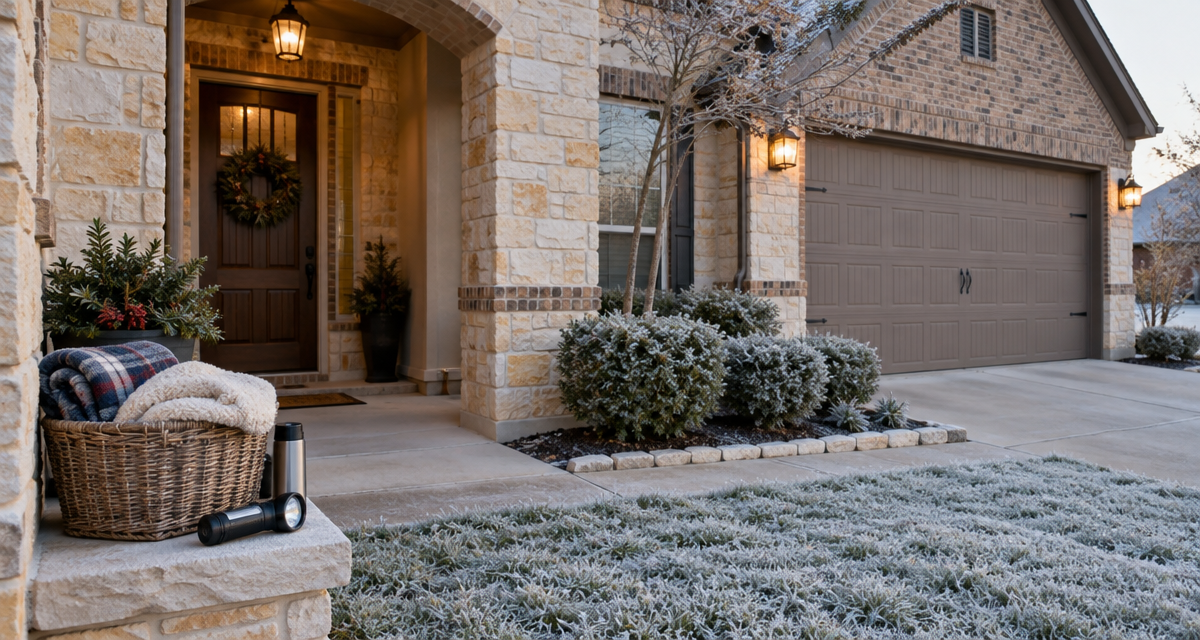
Start garage door freeze prep before freezing weather arrives: organize the garage, bring essential supplies indoors, and find the instructions for your door and opener. For homeowners in Austin, Travis County, and Hays County, the goal is a practical weather plan, not a last-minute repair project.
After the freeze, don't treat warmer weather as proof that the door is ready to operate. Ready.gov and the National Weather Service provide winter-safety guidance, but door operation, emergency-release use, and repairs need instructions from the equipment manufacturer.
What should you do before freezing weather arrives?
Start with the forecast, not a garage-door adjustment. Ready.gov recommends paying attention to weather reports, freezing-weather warnings, and emergency information. Sign up for your community's warning system and decide how you'll receive updates if your usual devices aren't available. The National Weather Service says a freeze occurs when temperatures drop below 32°F, but that definition alone doesn't tell you what conditions your driveway, garage, or equipment will face.
Make a simple household access plan while conditions are comfortable. Think about where you normally enter the house, where essential items are stored, and whether a closed garage door would separate you from something important. Move medication, flashlights, warm clothing, and other immediate necessities into the living area. This isn't about predicting an equipment failure. It's about making sure your basic needs don't depend on opening the garage during difficult weather.
Find the owner's manuals for both the garage door and its opener, if those are separate products. Use paperwork you already have or the manufacturer's official support resources, and confirm that the instructions match your equipment. Keep the information accessible indoors. Don't climb, remove covers, or reach into equipment just to collect identification details during a rushed weather-preparation session. If you can't identify the products safely, ask for help.
Divide your checklist into household preparation and equipment questions. You can organize supplies, check alerts, and plan access without becoming a garage-door technician. Questions about release mechanisms, door adjustments, winter operation, or a suspected defect belong with the manufacturer or a garage-door professional. Handle those questions before the weather arrives when possible, rather than relying on a general online tip when you're cold, hurried, or trying to leave.
- Check the forecast and community alerts.
- Move essential supplies into the house.
- Find the correct door and opener manuals.
- Resolve equipment questions before the freeze.
How can you prepare the garage without working on door hardware?
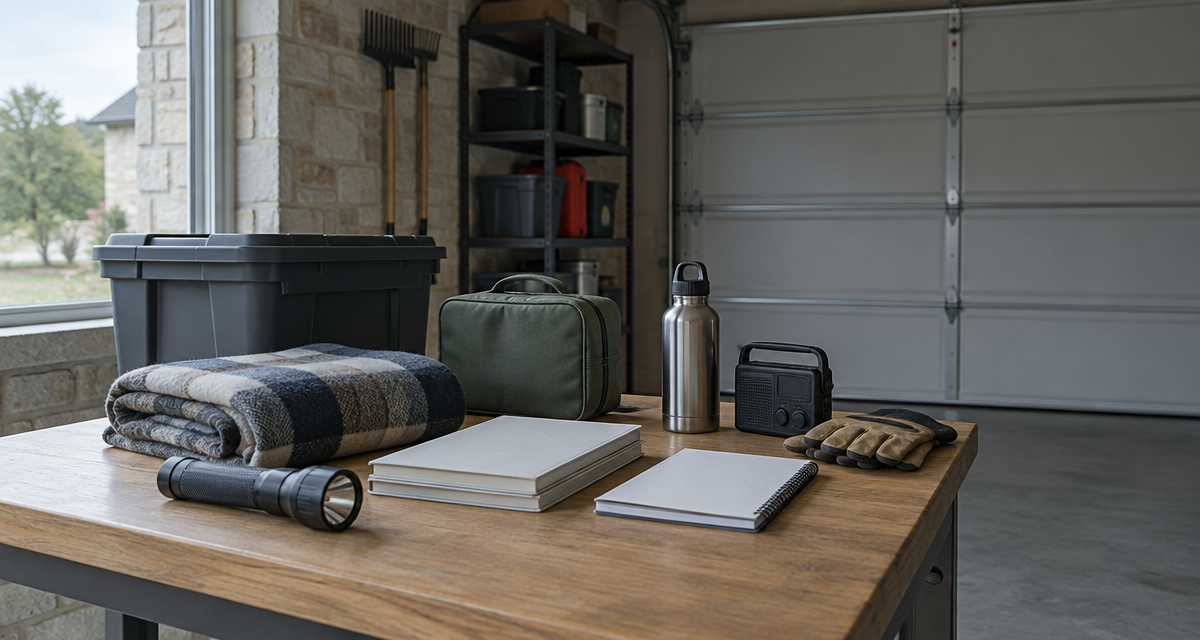
Begin with ordinary housekeeping around the space you use. Put loose belongings on shelves, gather scattered items, and leave a clear walking route between the house and the supplies you may need. Keep planned access routes free of storage boxes and other clutter. These are practical organization steps, not a mechanical inspection of the garage door, and they don't require opening equipment, handling door components, or changing any settings.
Ready.gov recommends preparing a home to keep out the cold with insulation, caulking, and weather stripping. Treat that as general home-weatherization advice, not a garage-door seal replacement procedure. Review familiar household drafts and any weatherization projects you've already planned. For garage-door bottom or side seals, get the manufacturer's inspection and maintenance instructions before deciding what work is appropriate. The supplied winter-weather guidance doesn't establish how those particular seals should be handled.
If you're concerned about a garage-door seal, write down the concern for a professional instead of turning it into an improvised repair. A description or a photo taken from a safe, accessible position can help you explain what you've noticed without manipulating the door. Don't assume a generic weather-stripping product or a home caulking technique is suitable for your particular door. Product compatibility and installation details need equipment-specific guidance.
Make the garage less important to your immediate comfort during the storm. Bring pet supplies, spare batteries, and the clothes you'll want into the house before the weather changes. Ready.gov specifically recommends planning for pets and each person's needs, including medication. You don't need to empty the garage or complete every home project. Focus on the small changes that let your household stay sheltered without repeated trips to retrieve necessities.
- Put away loose items along walking routes.
- Bring frequently needed supplies indoors.
- Separate general weatherization from door-specific work.
- Save seal and hardware questions for model-specific guidance.
What should you prepare for a power outage?
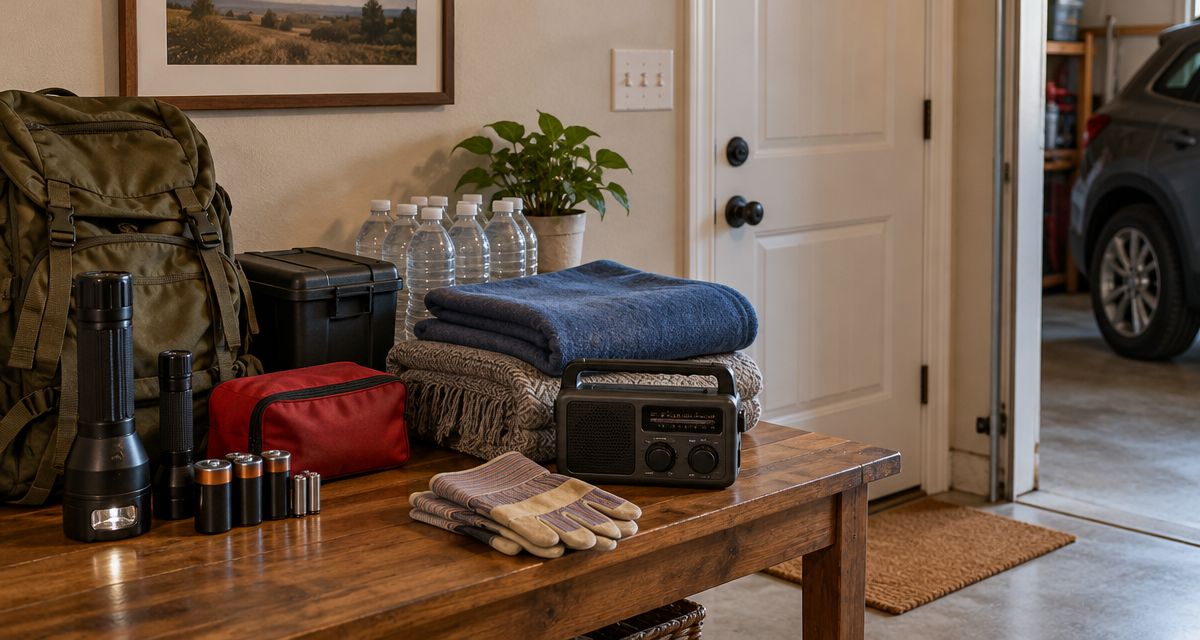
Plan for the household first. Ready.gov notes that winter storms can interrupt heat, power, and communication services, and recommends gathering supplies for several days at home without power. Include each person's medication and other specific needs, along with supplies for pets. Store those items somewhere you can reach without depending on powered equipment. Extra batteries for flashlights and radios are part of Ready.gov's preparation advice and belong on the same checklist.
Check your household's smoke alarms and carbon monoxide detectors as part of preparation. Ready.gov recommends installing and testing alarms and detectors with battery backups, and having working carbon monoxide detectors on every level of the home. Follow the devices' own instructions for testing and maintenance. Don't make the garage your only storage location for a flashlight or other item you'll need to find your way around during an outage.
Keep generator planning separate from the convenience of the garage. Ready.gov says generators and fuel should always be used outdoors and at least 20 feet away from windows, doors, and attached garages. It also advises keeping generators dry, following manufacturer instructions, and letting them cool before refueling. Choose an appropriate outdoor location ahead of time rather than treating the garage as a sheltered operating spot when bad weather arrives.
Avoid improvised indoor heat sources. Ready.gov says generators and grills belong outdoors and warns against heating a home with a gas stovetop or oven. For garage access during an outage, don't assume a generic emergency-release tutorial applies to your equipment or circumstances. Locate the manufacturer's outage instructions beforehand. If those instructions aren't available or don't clearly address your situation, use your alternate household access plan and seek assistance instead.
- Gather several days of household essentials.
- Keep flashlights and spare batteries indoors.
- Test alarms according to their instructions.
- Plan generator placement using Ready.gov's outdoor separation guidance.
What should you do if you need garage access during the freeze?
First ask whether the trip is necessary. Ready.gov recommends limiting time outside and staying off roads if possible during winter weather. If you're under a winter storm warning, its advice is to find shelter right away. A household access plan helps you avoid turning an optional errand into an urgent garage-door problem. Check current alerts and your immediate needs before deciding that you must retrieve the car or reach something outside.
If you need to go outdoors, dress for the conditions and keep the task brief. Ready.gov recommends layers of warm clothing. The National Weather Service warns that extreme cold can expose people to frostbite and hypothermia, with uncovered skin and extremities particularly vulnerable to frostbite. Don't let a frustrating access problem keep you outside longer than planned. Return to warmth and reassess rather than allowing urgency to drive the next decision.
If the garage door won't operate as expected, treat that as a reason to pause and seek equipment-specific guidance, not as a diagnosis of frozen seals or another particular fault. Describe what happened to the manufacturer or a garage-door professional. This guide doesn't prescribe release use, force-setting changes, safety-device adjustments, or a method for freeing the door. Those instructions aren't supplied by Ready.gov or the National Weather Service's cold-safety page.
The same boundary applies to thawing. Neither supplied source gives an approved garage-door thawing procedure or evaluates water, heating devices, tools, or chemical products for that purpose. Rather than choosing a treatment from a generic winter tip, ask the equipment manufacturer what applies to your door and its materials. In the meantime, rely on the supplies and alternate access you've already arranged, and keep household safety ahead of restoring convenience.
- Decide whether access can wait.
- Check alerts before heading outside.
- Keep outdoor tasks brief and dress warmly.
- Get model-specific help for an access problem.
How should you approach garage-door use after the freeze?
Start by checking current weather and access conditions, but keep that separate from deciding whether the equipment is ready. A clearer driveway or warmer afternoon isn't a manufacturer-approved garage-door operating test. Likewise, a threshold that looks clear doesn't establish the condition of the entire system. Use what you can observe from a safe location to plan your next step, without treating an absence of obvious ice as permission to resume normal operation.
Review the correct door and opener instructions for operation after an interruption, maintenance concerns, or weather-related problems. Follow the manufacturer's applicable procedure rather than creating a trial-and-error sequence from general advice. If you can't find guidance that addresses what happened, contact the manufacturer or a garage-door professional before proceeding. There isn't a universal post-freeze operating procedure established by the two weather-safety sources used for this guide.
When you request help, explain whether there was a power outage, whether the door was used during the freeze, and what concerns you have now. Mention any changes you've noticed without trying to diagnose them yourself. If you suspect damage or aren't confident about safe operation, leave the equipment unused while you arrange advice. You don't need to manipulate components, change settings, or demonstrate the problem repeatedly to make the initial request.
Once the access question is resolved, update your household plan. Replace supplies you used, return flashlights to accessible locations, and keep equipment manuals where you can find them. Note which items should come indoors earlier next time and whether your alternate entrance met your needs. The most useful result of garage door freeze prep is a repeatable routine: prepare the household early, limit exposure during the event, and rely on equipment-specific guidance afterward.
- Check weather and household access conditions.
- Consult the applicable manufacturer instructions.
- Ask for help if safe operation remains uncertain.
- Restock supplies and update your plan.
What else do homeowners ask about this topic?
Does this guide establish how often hard freezes happen around Austin?
No. The supplied sources explain cold-weather hazards and preparation, not freeze frequency in Austin, Travis County, or Hays County. Base your preparations on current forecasts and alerts.
Should I pull the emergency release if the garage door won't open?
This guide can't establish whether that's appropriate for your equipment and situation. Consult the correct manufacturer instructions or a garage-door professional; the supplied weather sources don't address emergency-release use.
Does Ready.gov explain how to inspect garage-door seals?
No. It recommends weather stripping as general home preparation but doesn't provide garage-door bottom or side seal procedures. Get inspection and maintenance instructions from your door's manufacturer.
Can I resume normal operation once the visible ice is gone?
Visible conditions alone don't provide a manufacturer-supported operating procedure. Follow the applicable door and opener instructions, and seek professional guidance if damage or safe operation is uncertain.
What should you remember before taking the next step?
- Prepare access routes, essential supplies, weather alerts, and equipment information before freezing weather arrives.
- Use Ready.gov's guidance for household weatherization, outage preparation, and generator safety.
- Leave door-specific release, thawing, seal maintenance, and adjustment procedures to authoritative equipment guidance.
- Don't treat improving weather or a clear threshold as proof that normal door operation can resume.

Sources and manufacturer instructions
“Springs are under high tension.”
Get help with garage door tune-up
Call Springz to describe the problem, request a diagnosis and confirm current service availability in Travis and Hays Counties.