Hop Topics · 11 min read
Austin Summer Garage Heat: Put Your Health First
By Ted DeSimone
Updated
Austin summer garage heat is a reason to change your plans, not push through feeling sick. Whether you’re sorting storage, working on a project, or getting everyone into the car, put access to a cooler place ahead of finishing the task.
For households in Austin, Travis County, and Hays County, a practical approach starts with recognizing heat illness, limiting hot-garage activities, and looking out for vulnerable family members. Garage improvements can be part of the conversation, but they shouldn’t replace a health-first routine.
Which heat symptoms mean it’s time to stop?
The most important garage rule is simple: feeling unwell ends the task. Ready.gov lists heavy sweating, paleness, muscle cramps, tiredness, weakness, dizziness, headache, nausea, vomiting, and fainting among the signs of heat exhaustion. You don’t need to finish the shelf or put away every tool before responding. Make it a household rule that anyone can call a stop when they feel sick, without having to defend the decision.
If you have signs of heat cramps or heat exhaustion, Ready.gov advises moving to a cooler location, removing excess clothing, and taking sips of water or a sports drink. Call your healthcare provider if symptoms get worse or last more than an hour. Don’t turn that guidance into a waiting period before taking action. Leaving the heat and starting to cool down should happen when symptoms appear, not after the project is finished.
Suspected heat stroke is an emergency. Ready.gov identifies signs including extremely high body temperature, red and hot skin, a rapid and strong pulse, dizziness, confusion, or unconsciousness. Call 911 immediately if you suspect it. If possible, move the person to a cool, shaded area, remove outer clothing, and use cold, wet cloths or ice packs on the head, neck, armpits, and groin while help is on the way.
Before anyone starts a garage project, agree on where they’ll go to cool down and how they’ll call for help. Keep a phone accessible rather than buried under supplies, and make sure another household member knows if you’re feeling unwell. These are simple planning habits, not substitutes for medical care. If the situation appears to be a medical emergency, call 911 instead of trying to resolve it with another break.
How can you plan garage tasks around your health?
Start by deciding whether the job needs to happen today. Ready.gov recommends avoiding high-energy activities or outdoor work during midday heat when possible. For a hot garage, a sensible application is to postpone demanding projects rather than treating your usual schedule as fixed. Sorting a box can wait. If you do choose another time, don’t assume the clock alone makes conditions comfortable or removes the need to watch for symptoms.
Separate essential trips from optional time in the garage. Picking up something you need doesn’t have to become an unplanned cleaning session. Write down the task, gather what you’ll need, and give yourself permission to leave the rest for another day. Consider moving suitable, low-risk sorting work into a cooler space instead. The goal isn’t to squeeze more productivity out of the heat; it’s to avoid spending unnecessary time in it.
Make hydration and clothing part of the plan before you get busy. Ready.gov recommends drinking plenty of fluids and wearing loose, lightweight, light-colored clothing during extreme heat. Put drinking water where you can easily reach it, and plan breaks in a cooler location. Don’t treat water as permission to ignore dizziness, weakness, or nausea. Those symptoms still call for stopping, leaving the heat, and following the appropriate heat-illness guidance.
Have a backup if your usual cool space isn’t available. Ready.gov recommends identifying community places such as libraries and shopping malls where you can get cool, or contacting your local health department about cooling options. If your home has no air conditioning, it advises finding a cooling center. Confirm your destination before heading out when practical, and postpone the garage project rather than making a hot garage your fallback place to spend time.
- Decide whether the garage task can wait.
- Plan demanding work away from midday heat when possible.
- Set out water and identify a cooler place for breaks.
- Stop promptly if heat-illness symptoms appear.
Who needs extra care around a hot garage?
Heat deserves everyone’s attention, but some household members need extra consideration. The National Weather Service identifies young children, infants, older adults, people with chronic medical conditions, and pregnant women as particularly vulnerable. It also notes that heat can worsen existing health conditions. When planning garage chores or family activities, don’t use the most heat-tolerant person’s comfort as the standard for everyone else. Make opting out easy, especially for someone who already feels unwell.
For older relatives or neighbors, check-ins matter particularly when air conditioning isn’t available. The National Weather Service highlights additional concerns for older adults who have pre-existing diseases, take certain medications, live alone, or have limited mobility. A practical household response is to offer help with retrieving garage items or postponing a chore. Ask whether they have somewhere cool to go rather than assuming an open door or a running fan is enough.
Keep children’s activities in a suitable cooler space instead of turning a hot garage into the default summer playroom. Vehicle safety needs its own clear rule: never leave people or pets in a closed car on a warm day. The National Weather Service also recommends locking cars when there’s a toddler in the household, even in your own driveway. Don’t make waiting in the car part of loading supplies or finishing a garage task.
Pets need a deliberate plan, too. Ready.gov says outdoor pets should have plenty of cool water and comfortable shade, and warns that asphalt and dark pavement can be very hot to their feet. Don’t assume the garage is an appropriate retreat simply because it’s out of direct sunlight. As a common-sense precaution, keep pets out of your hot-garage work session and choose a comfortable place for them while you handle essential tasks.
Can fans or insulation make the garage safe?
A fan shouldn’t be your main heat-safety plan. Ready.gov specifically warns against relying on a fan as a primary cooling device: fans create airflow and a false sense of comfort, but don’t reduce body temperature or prevent heat-related illness. That distinction matters when a breeze makes a garage project feel easier to continue. Don’t use the feeling of moving air as proof that you can safely stay or keep working.
An open garage door also shouldn’t become your safety test. The heat guidance provided here doesn’t establish an open door as protection against heat illness. A sensible approach is to judge your plans by access to a cooler location, the activity involved, and how you’re feeling, rather than by whether the space seems less stuffy. If you start feeling sick, leave the heat instead of experimenting with another fan position or door opening.
For preparing a home for extreme heat, Ready.gov recommends measures including covering windows with drapes or shades, weather-stripping doors and windows, and adding insulation to keep heat out. Those are broader home-preparation suggestions, not a promise about a particular garage door or garage temperature. If you’re considering improvements, begin with questions about your actual space and intended use. Keep any comfort upgrade separate from your plan for recognizing and responding to heat illness.
Avoid turning a cooling idea into improvised installation work. If an improvement would involve altering the garage door or its operating hardware, we recommend reaching out to a garage door professional because it can be very dangerous if done incorrectly. You can safely start by writing down your concerns and gathering the door’s owner’s manual. No insulation discussion or equipment purchase should delay getting someone out of the heat when they feel unwell.
When should a garage door professional take over?
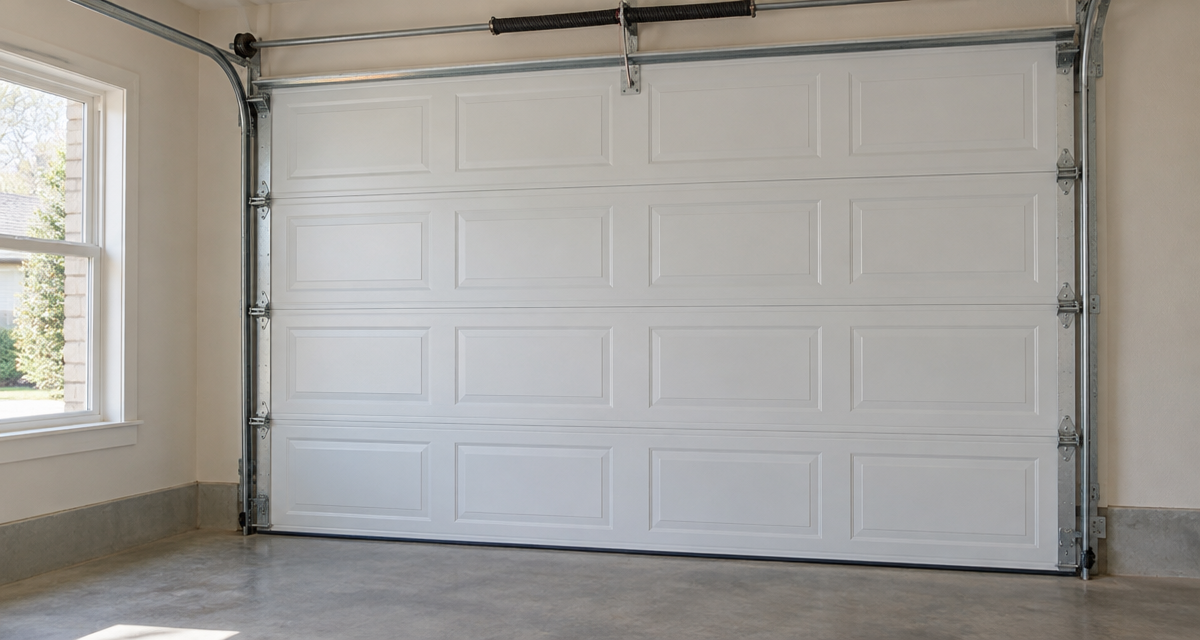
If your garage door doesn’t move smoothly, don’t make getting more airflow an excuse to force it. DASMA says a door that struggles to go up and down may present an unsafe condition. Rather than troubleshooting its spring system, stop using the problem door and arrange an assessment. We recommend reaching out to a garage door professional for this work because it can be very dangerous if done incorrectly, especially when springs are involved.
Keep checks visual and hands off around cables. DASMA explains that cables attached to the spring system and bottom brackets can cause injury if they break, and worn or frayed cables should be replaced only by a trained technician. If you notice visible damage, don’t pull on the cable or try to reposition it. Make a note of what you saw and contact a professional rather than turning an observation into a repair attempt.
Bottom brackets aren’t ordinary hardware to tighten as part of a summer tidy-up. DASMA explains that they’re connected to the springs and under extreme tension, so only a trained door systems technician should adjust or loosen them. Springs also belong in professional hands when repair is needed. We recommend reaching out to a garage door professional for these jobs because they can be very dangerous if done incorrectly. Keep your hands away from joints between door sections, too.
For routine planning, keep the door and opener manuals easy to find. DASMA emphasizes that each model has its own safety instructions and recommends an annual visit from a trained door systems technician. If you’re weighing a garage door change or have an operating concern, contact Springz Garage Doors to discuss it. Keep the priorities in order: get people somewhere cooler first, leave hazardous hardware alone, and address the door concern without rushing.
What else do homeowners ask about this topic?
Is a fan enough for Austin summer garage heat?
No. Ready.gov says not to rely on a fan as your primary cooling device because airflow doesn’t prevent heat-related illness. Plan access to a cooler location and stop if symptoms appear.
What should I do if I feel dizzy while working in the garage?
Stop and move to a cooler location. For signs of heat exhaustion, Ready.gov advises removing excess clothing and sipping water or a sports drink. Contact your healthcare provider if symptoms worsen or last more than an hour. Call 911 for suspected heat stroke.
Does garage door insulation replace cooling breaks?
No. Ready.gov recommends insulation as a home heat-preparation measure, but the supplied guidance doesn't establish that an insulated garage is safe for prolonged activity. Keep your cooling and heat-illness response plan.
Can I adjust a struggling garage door to get more airflow?
Don’t force it or adjust springs, cables, or bottom brackets. We recommend reaching out to a garage door professional because this work can be very dangerous if done incorrectly.
What should you remember before taking the next step?
- Put leaving the heat ahead of finishing a garage task, and learn the warning signs of heat illness.
- Plan demanding activities away from midday heat, drink fluids, and use a cooler location for breaks.
- Give vulnerable family members extra consideration, and never leave people or pets in a closed car on a warm day.
- Don’t rely on fans or planned upgrades as your safety plan, and leave hazardous garage door hardware to professionals.

Sources and manufacturer instructions
“Springs are under high tension.”
Get help with garage door tune-up
Call Springz to describe the problem, request a diagnosis and confirm current service availability in Travis and Hays Counties.